

A Guide to the Engine Water Pump for the 1994-1998 Mitsubishi Galant
If you're replacing the timing belt on your Galant, this is the perfect time to also replace your water pump.
- Always replace the water pump at the same time as the timing belt, which is due every 60,000 miles.
- The cost of the job is almost all labor, so choosing a high-quality pump is critical to avoid repeat repairs.
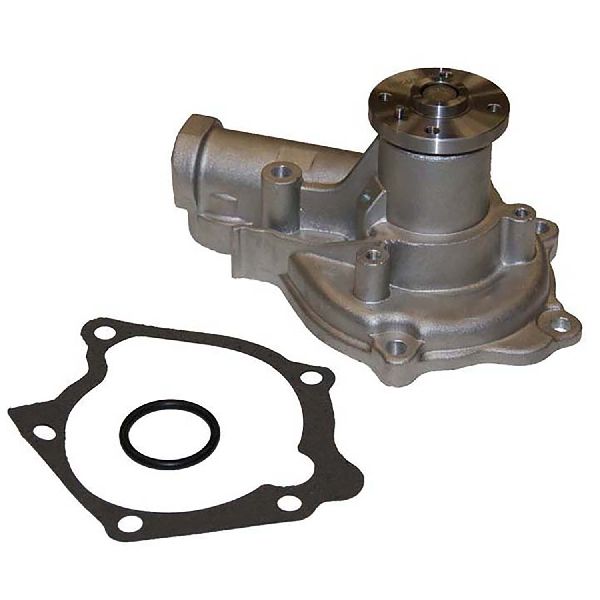
- Stick to reputable aftermarket brands like GMB or Gates for reliable performance.
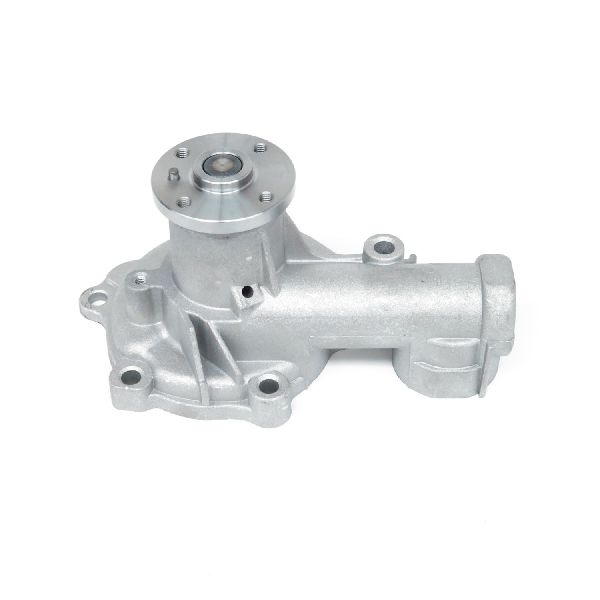
- Avoid brands with poor quality reviews like US Motor Works and be cautious with brands like Graf that have reports of premature failure.
The Most Important Thing to Know: The Timing Belt Connection
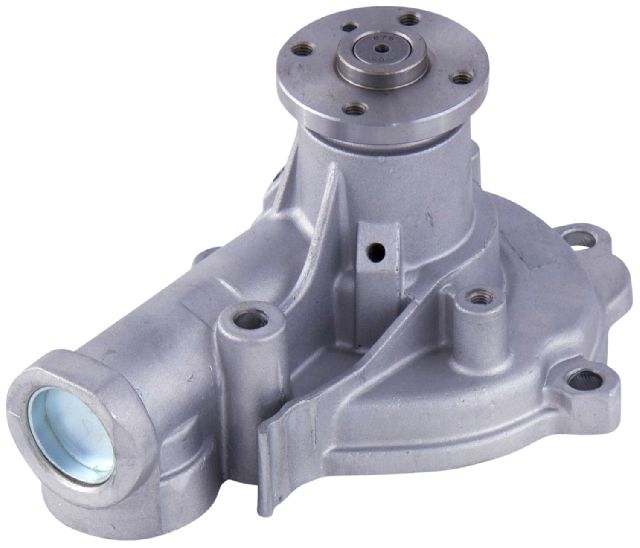
On the 7th generation Mitsubishi Galant, the engine water pump is hidden behind the timing belt cover and is driven by the timing belt itself. This design has a huge impact on how you should approach replacement. Because mechanics must remove the timing belt to get to the water pump, the labor is nearly identical for both jobs. The recommended service interval to replace the timing belt is every 60,000 miles.
Pro Tip: Always replace your water pump when you replace your timing belt. The added cost of the pump itself is small compared to the high labor cost you would pay to do the job a second time if the old pump fails later. A failed water pump bearing can also damage the new timing belt, leading to catastrophic engine failure.
Symptoms of a Failing Water Pump
A bad water pump will almost always give warning signs before it fails completely. Ignoring them can lead to severe engine damage from overheating. Look out for these common symptoms:
- Coolant Leaks: This is the most common sign. You may see puddles of green or pink, sweet-smelling fluid under the front-center of your car. As the pump's internal seals wear out, coolant will escape from a "weep hole." You might see crusty residue or drips on or around the pump.
- Engine Overheating: If the pump can't circulate coolant effectively, the engine's temperature will rise, especially when idling or in stop-and-go traffic. Your temperature gauge on the dashboard may spike into the red.
- Whining or Grinding Noises: A high-pitched whining or a low grinding sound from the front of the engine that changes with engine speed can signal a failing water pump bearing. This is a serious warning that the pump's pulley is loose or the internal bearings are shot.
- Steam from the Hood: If your engine is overheating badly, the coolant can boil. This will produce steam that you'll see coming from under the hood. If you see this, pull over immediately and shut off the engine to prevent permanent damage.
Choosing the Right Aftermarket Water Pump
The cost of replacing a water pump on this Galant is mostly labor. Because of this, it is a terrible idea to save $20 on a low-quality part. A cheap pump that fails early will cost you hundreds in labor to replace again. Here is a breakdown of the available aftermarket brands.
Aftermarket Brand Quality Tiers
| Tier | Brands | Assessment |
|---|---|---|
| Recommended | GMB, Gates | GMB is a Japanese company and a known Tier 1 OEM supplier for many car manufacturers, including Mitsubishi's timing system components. They have a strong reputation for quality that matches the original part. Gates is also a highly reputable brand known for cooling and belt system parts, and forum users report good experiences. You can be confident installing a pump from either of these brands. |
| Use with Caution | Graf | Graf pumps often look well-made with metal impellers, but real-world user reviews are very mixed. There are multiple reports across different car communities of Graf pumps failing prematurely, often leaking from the weep hole after only a few thousand miles. While some have no issues, the risk of early failure is higher compared to GMB or Gates. |
| Not Recommended | US Motor Works | Forum discussions consistently report quality control issues with US Motor Works pumps. Complaints include poor casting, parts being out of specification which makes installation difficult or impossible, and early failures. Given the critical nature of the part and the high cost of labor, this brand is best avoided. |
Estimated Replacement Costs
Costs can vary by location and shop, but here are some typical price ranges. Note that labor is high because the job includes a full timing belt replacement.
| Part / Service | Estimated Cost |
|---|---|
| New Aftermarket Water Pump (Part Only) | $59.55 - $75.57 |
| New OEM Water Pump (Part Only) | $150 - $220 |
| Shop Labor (Includes Timing Belt Service) | $420 - $600 |
| Total Professional Replacement | $500 - $750+ |
Frequently Asked Questions (FAQ)
Do I really have to replace the water pump with the timing belt?
Yes, it is highly recommended. Over 90% of the cost is labor to access the timing belt. Since the water pump is right there, replacing it at the same time is cheap insurance against a future failure that would require paying for the same expensive labor all over again.
Is an aftermarket water pump as good as the OEM Mitsubishi part?
A high-quality aftermarket pump from a brand like GMB or Gates can be just as reliable as the original OEM part. GMB is an OEM supplier for many Japanese brands, and their aftermarket parts are made to similar standards. However, low-quality aftermarket pumps are not reliable and should be avoided. The brand you choose matters.
My mechanic says the metal impeller on the Graf pump is an upgrade. Is that true?
While a metal impeller sounds better than plastic, it's not the main point of failure. The bearing and the shaft seal are what typically fail and cause leaks or noise. A heavier metal impeller can sometimes put more stress on the bearing, potentially leading to a shorter lifespan. A quality pump with a plastic impeller is better than a low-quality pump with a metal one.
Were there any recalls on the 1994-1998 Galant water pump?
No. While there were several safety recalls for this generation of the Mitsubishi Galant, none were related to the engine water pump or the cooling system.
Technical Specifications
The water pump is driven by the timing belt on the 2.4L SOHC 4G64 engine, which is the most common engine for this vehicle in the North American market.
We Have This Part in Stock

The information in this article is provided for general reference and educational purposes only. Vehicle specifications, procedures, and part compatibility can vary by production date, trim level, and region. Always consult your vehicle's factory service manual and verify part numbers before purchasing or performing repairs. Safety-critical components such as airbags, seat belts, and braking systems should be installed by a qualified professional.
- Mitsubishi Galant: