

1994-1998 Mitsubishi Galant Oxygen Sensor: A Complete Guide
Fix your Galant's check engine light and poor fuel economy by choosing the right replacement oxygen sensor.
- A bad O2 sensor will trigger the Check Engine Light and hurt your fuel economy.
- Denso and NGK/NTK are the most recommended brands for OEM-level quality and reliability in a Mitsubishi.
- Confirm if you need an upstream or downstream sensor, and if your car is a 4-cylinder or V6, before buying.
- Use a proper 22mm O2 sensor socket and penetrating oil to avoid stripping the old sensor during removal.
Is Your Galant's Oxygen Sensor Failing?
A bad oxygen sensor is a common reason for the check engine light to come on in the 7th generation Galant. Because the sensor's input is so important for fuel control, a failure will cause noticeable symptoms. Ignoring them can lead to reduced fuel mileage and potential damage to your catalytic converter over time.
Common Symptoms of a Bad O2 Sensor
- Check Engine Light: The most frequent sign. Codes like P0130, P0135, or P0171 🎬 See how to fix a P0135 sensor heater circuit code often point to a sensor issue.
- Worse Fuel Economy: The engine computer may run a rich fuel mixture to be safe, wasting gas.
- Rough Idle or Engine Hesitation: Incorrect air/fuel mixture can cause the engine to run poorly.
- Failed Emissions Test: The car will not be able to properly control its emissions, leading to a test failure.
Choosing the Right Aftermarket O2 Sensor
For a vehicle like the 1994-1998 Galant, aftermarket oxygen sensors offer excellent value. However, quality varies between brands. It is highly recommended to use a direct-fit sensor with the correct plug rather than a universal sensor that requires splicing wires.
Brand Quality Tiers
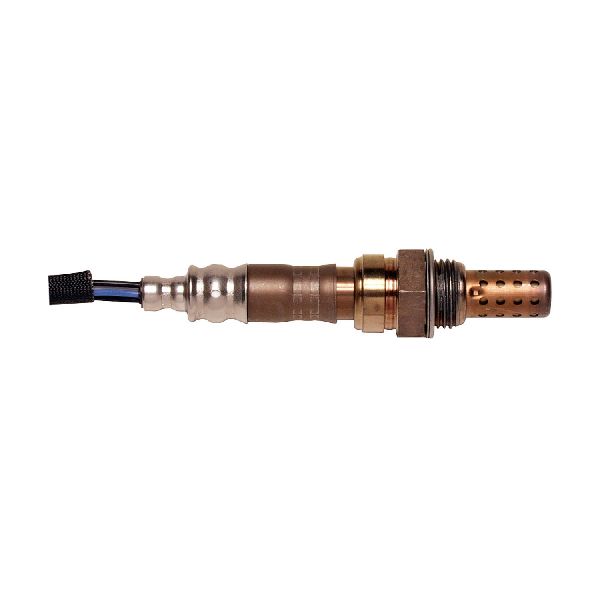
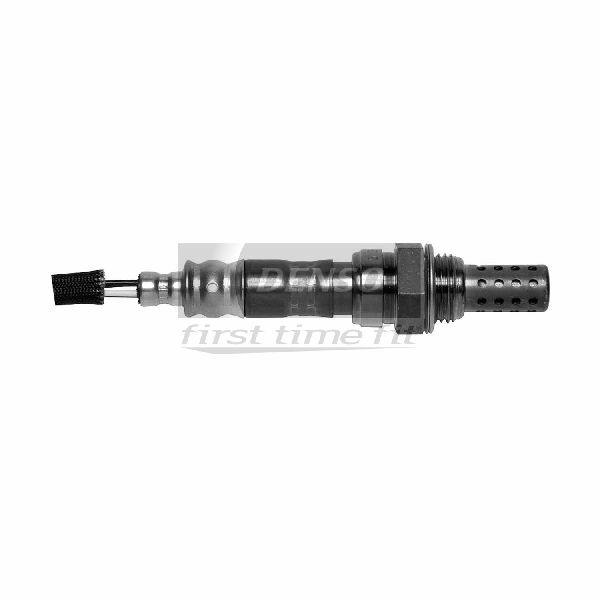
- Top Tier (OEM Quality): Denso and NGK (also sold as NTK) are widely regarded as original equipment suppliers for Mitsubishi and other Japanese automakers. Choosing one of these brands is the safest bet for long-term reliability and performance that matches the original part.
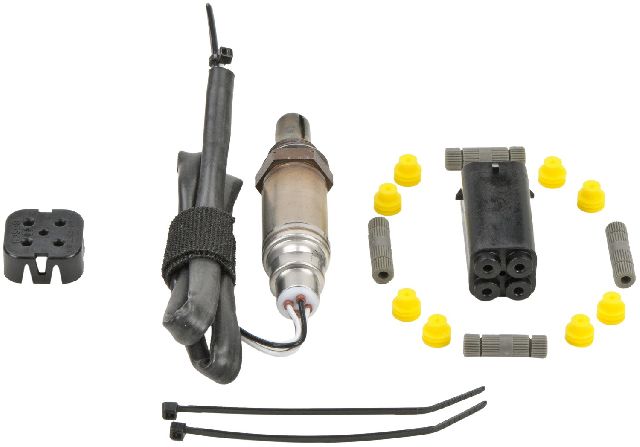
- Mid-Tier (Reliable Aftermarket): Bosch invented the oxygen sensor and is a massive global supplier. Their direct-fit sensors are a solid choice, though some enthusiasts in forums slightly prefer Denso or NTK for Japanese vehicles.
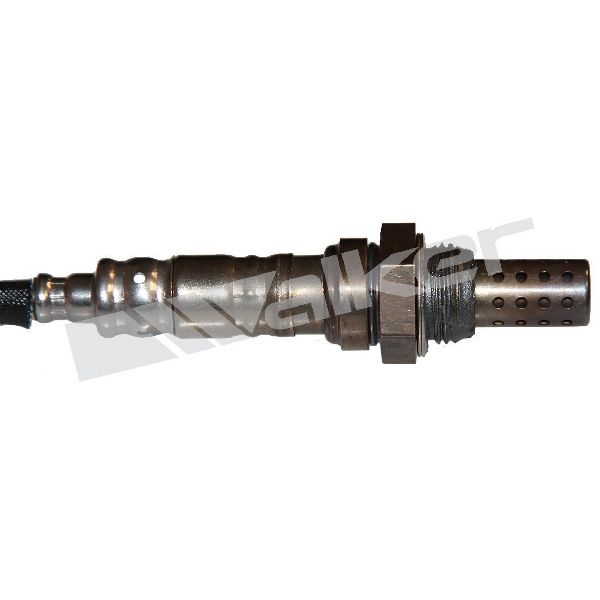
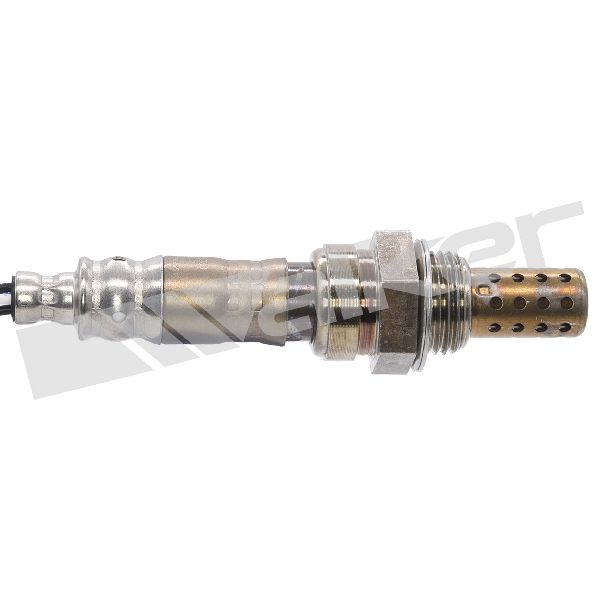
- Economy Tier (Budget-Friendly): Brands like DriveWire, Spectra, and Walker Products offer a more affordable price point. They can be a good option if budget is the primary concern, but may not have the same longevity as top-tier brands.
Typical Replacement Costs
Replacing an oxygen sensor is a common repair. The cost depends on the brand you choose and whether you do it yourself or hire a mechanic.
| Item | Estimated Cost |
|---|---|
| New Aftermarket O2 Sensor | $25 - $110 |
| Shop Labor | $60 - $120 |
| Total Estimated Cost (Shop) | $85 - $230 |
Frequently Asked Questions (FAQ)
How many oxygen sensors does my 1994-1998 Galant have?
It depends on your engine. The 2.4L 4-cylinder (4G64) engine has two sensors—one upstream and one downstream. V6 models have four sensors—two upstream and two downstream.
What is the difference between an upstream and downstream sensor?
The upstream sensor (Bank 1, Sensor 1) is located on the exhaust manifold before the catalytic converter and is the primary sensor for adjusting the air-fuel mixture. The downstream sensor (Bank 1, Sensor 2) is located after the catalytic converter and its main job is to monitor the converter's efficiency.
Can I replace just one sensor?
Yes. You only need to replace the sensor that has failed and triggered the trouble code. They do not need to be replaced in pairs.
Is replacing an O2 sensor a DIY job?
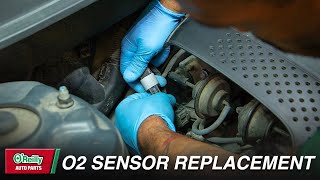
Yes, it is often a straightforward DIY job. 🎬 Watch this step-by-step guide on how to change O2 sensors However, the old sensor can be extremely difficult to remove due to rust. You will need a special O2 sensor socket (22mm or 7/8"), a breaker bar, and plenty of penetrating oil. If the sensor nut strips, it becomes a much more difficult job.
Can I clean my old oxygen sensor?
It is not recommended. Cleaning solvents can damage the sensor's delicate internal components, and it will not fix an electrical failure within the sensor, such as a bad heater circuit. Replacement is the only reliable solution.
Helpful Videos

Technical Specifications
OEM Part Numbers: MD334299 MD335028 MN163467 MN153037
Heated, 4-wire sensor. Direct-fit connector recommended. Thread size is typically M18x1.5. Socket size is 22mm (7/8").
We Have This Part in Stock


The information in this article is provided for general reference and educational purposes only. Vehicle specifications, procedures, and part compatibility can vary by production date, trim level, and region. Always consult your vehicle's factory service manual and verify part numbers before purchasing or performing repairs. Safety-critical components such as airbags, seat belts, and braking systems should be installed by a qualified professional.
- Mitsubishi Galant: