

A Guide to Replacing the Catalytic Converter on a 1994-1998 Saab 900
Everything you need to know before buying a new aftermarket catalytic converter for your NG900.
- The biggest challenge is not the converter itself, but the severely rusted bolts and flanges; soak them in penetrating oil for days beforehand.
- A P0420 code doesn't always mean the converter is bad. Check for exhaust leaks and failing oxygen sensors first.
- You must fix the original problem (like misfires or oil burning) that caused the converter to fail, or the new one will be damaged quickly.
- A direct-fit converter is highly recommended over a universal one for easier DIY installation.
Is Your Saab 900's Catalytic Converter Failing?
A failing catalytic converter can cause frustrating problems, from a glowing Check Engine Light to poor engine performance. Because the 1994-1998 Saab 900 (also known as the NG900) is now a classic, the original converter has likely reached the end of its life. This guide will help you understand the symptoms, choose the right aftermarket replacement, and know what to expect from the repair.
Symptoms of a Bad Catalytic Converter
When a converter goes bad, your Saab will tell you in a few ways. Recognizing these signs early can help you address the problem before it gets worse.
- Check Engine Light: The most common sign is a Check Engine Light with the code P0420, which means "Catalyst System Efficiency Below Threshold." This code is triggered when the oxygen sensors before and after the converter detect that it's no longer cleaning the exhaust effectively.
- Loss of Power: If the converter's internal honeycomb structure breaks apart or becomes clogged, it can create a blockage in the exhaust. This restriction makes the engine work harder, causing sluggish acceleration and poor performance, especially when trying to go faster than 30-40 mph.
- Rattling Noises: A common issue reported by Saab 900 owners is a rattling sound from under the car. This is often caused by the heat shield around the converter coming loose or the ceramic honeycomb inside breaking into pieces and rattling around.
- Rotten Egg Smell: A strong smell of sulfur or rotten eggs from the exhaust is a classic sign of a failing converter. This happens when the converter isn't properly processing the sulfur in the fuel.
Choosing the Right Aftermarket Converter
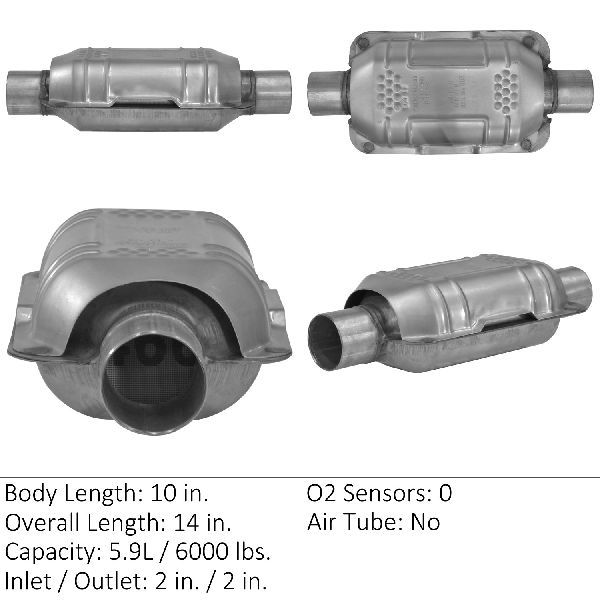
Original Equipment (OEM) converters for a car this age are often unavailable or extremely expensive. Aftermarket parts are the most practical and affordable solution. They come in two main types: direct-fit and universal.
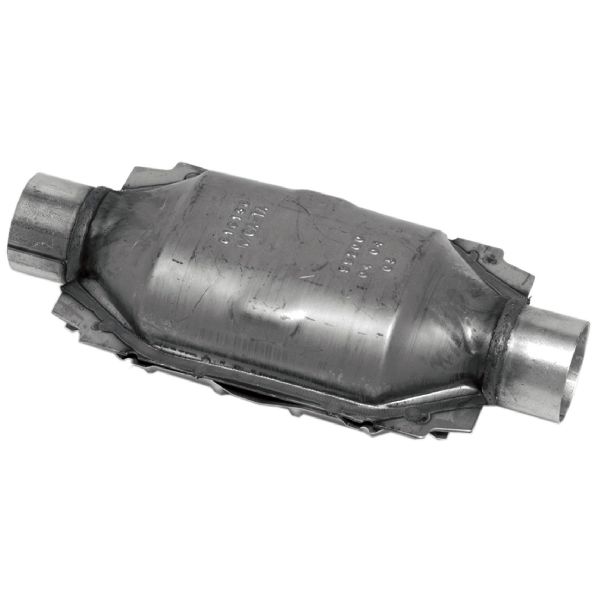
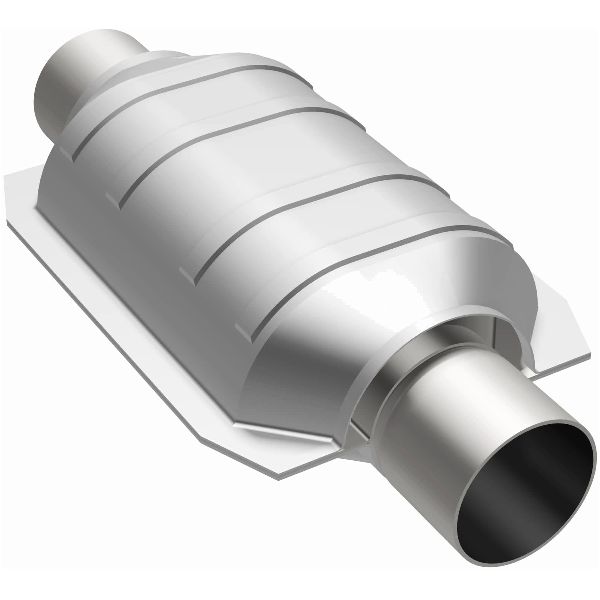
- Direct-Fit: These are designed to bolt directly onto your Saab 900's exhaust system without any modifications. They are the easiest to install and are recommended for most DIY mechanics. Brands like Walker, MagnaFlow, and Eastern Catalytic offer direct-fit options.
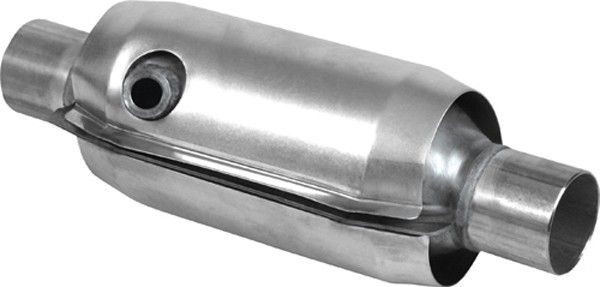
- Universal: These are cheaper but require cutting and welding to fit into your exhaust system. This is a job best left to a professional exhaust shop unless you have welding equipment and experience.
Brand Quality Tiers:
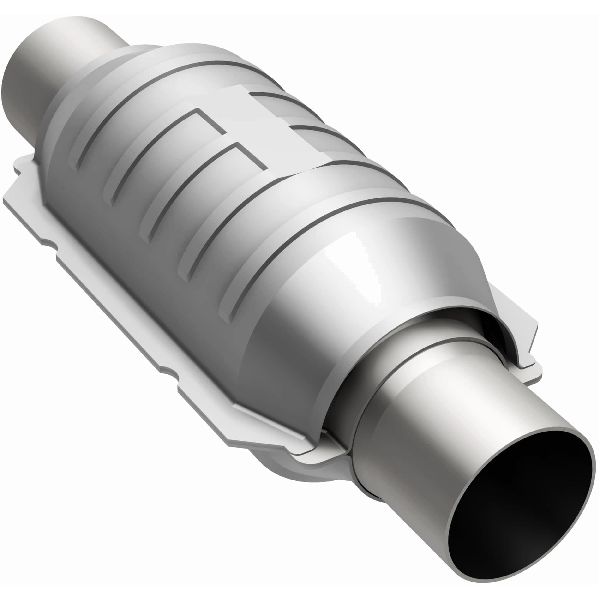
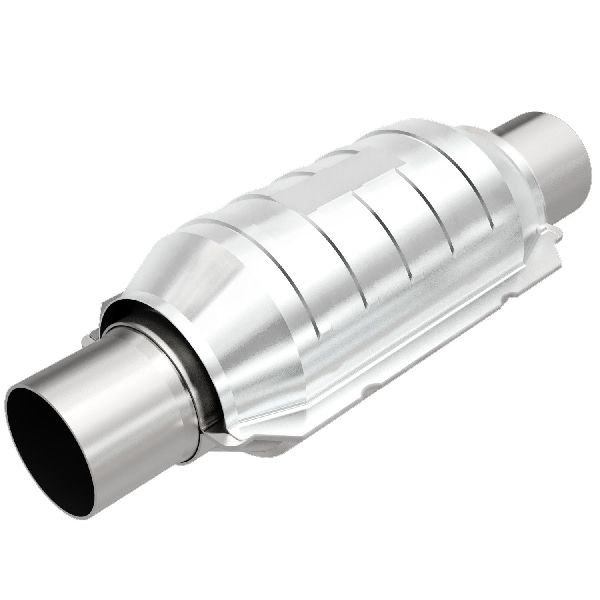
- Good (Performance-Oriented): MagnaFlow is a well-regarded brand known for durable stainless steel construction and designs that can improve exhaust flow, sometimes resulting in a more aggressive exhaust note. They are a solid choice for owners looking for a long-lasting, high-quality part.
- Better (OEM-Style): Walker Exhaust is a trusted name for reliable, OEM-style replacements. Their converters are designed to fit and function like the original part, making them a safe bet for a quiet, dependable repair.
- Budget-Friendly: AP Exhaust and Eastern Catalytic offer more affordable options. While they can be a good value, some users report they may not last as long as premium brands. It's important to ensure the root cause of the original converter failure is fixed to get the most life out of any replacement.
Cost Comparison
| Part Type | Estimated Cost |
|---|---|
| New Aftermarket (Direct-Fit) | $85 - $642 |
| Shop Labor | $110 - $215 |
| Total Estimated Cost | $195 - $857 |
A Word of Warning on Installation
The biggest challenge in replacing the converter on a 1994-1998 Saab 900 is not the part itself, but the hardware holding it in. After decades of heat cycles and exposure to the elements, the bolts and flanges will be extremely rusty. Be prepared to use a generous amount of penetrating oil for several days before the job, and have tools like a breaker bar or even a bolt extractor set on hand. In many cases, the old bolts will break and need to be replaced.
Frequently Asked Questions (FAQ)
Why did my catalytic converter fail?
Catalytic converters don't usually fail on their own. Failure is almost always a symptom of another problem. Common causes include engine misfires, burning oil, a faulty oxygen sensor, or an incorrect air-fuel mixture that sends unburned fuel into the exhaust, overheating and melting the converter's core. You must fix the root cause, or you will quickly destroy the new converter.
Will a new aftermarket converter pass emissions tests?
Yes, a new, properly installed EPA-compliant aftermarket converter should allow your vehicle to pass emissions tests. However, if you live in a state with stricter standards like California, Colorado, or New York, you must purchase a converter that is specifically certified for that state (CARB-compliant). Federal (EPA) converters are not legal for sale or use in these states.
Should I replace my oxygen sensors at the same time?
It is highly recommended. Oxygen sensors are critical for monitoring the converter's performance and controlling the engine's air-fuel mixture. Old, slow-reacting sensors can contribute to converter failure. Replacing them with the new converter ensures the entire system works together efficiently.
What is the difference between the catalytic converter and the flex pipe?
On the Saab 900, the flex pipe is a separate component of the exhaust system located before the catalytic converter. It's a flexible, braided steel section that allows the engine to move without cracking the rigid exhaust pipes. A failing flex pipe can cause a loud exhaust leak, which is another common issue on these cars. An exhaust leak before the converter can also fool the oxygen sensors and trigger a false P0420 code.
Technical Specifications
OEM Part Numbers: 4623054 4225736 7533540 4526968
The 1994-1998 Saab 900 uses a single catalytic converter located under the car, between the front flex pipe and the center muffler. It is a bolt-on unit with a four-bolt flange at the inlet and a four-bolt flange at the outlet. Both 2.0L Turbo and 2.3L non-turbo models use a similar configuration.
We Have This Part in Stock

The information in this article is provided for general reference and educational purposes only. Vehicle specifications, procedures, and part compatibility can vary by production date, trim level, and region. Always consult your vehicle's factory service manual and verify part numbers before purchasing or performing repairs. Safety-critical components such as airbags, seat belts, and braking systems should be installed by a qualified professional.
- Saab 900: