

Saab 900 Engine Coolant Temperature Sensor (1994-1998) - A Comprehensive Guide
Understanding this critical sensor is key to solving poor running conditions and ensuring the longevity of your NG900.
- A failing ECT sensor directly impacts fuel economy, engine performance, and cooling fan operation on your Saab 900.
- Verify your engine number before buying; a mid-1997 change means there are two different sensor sizes.
- Replacement is a simple DIY task, but be ready to swap the new sensor in quickly to minimize coolant loss.
- Stick with trusted brands like Bosch or Hella for reliability; budget brands can be a gamble on fit and longevity.
Understanding the Role of the ECT Sensor in Your NG900
The Engine Coolant Temperature (ECT) sensor in your 1994-1998 Saab 900, often called the "NG900," is more than just a part that helps your dashboard gauge work. It's a primary input for the Saab Trionic T5 engine management system. This system relies on the ECT sensor to know how hot or cold the engine is. Based on this single reading, the ECU adjusts the air-fuel mixture for cold starts, optimizes ignition timing for performance and fuel economy, and tells the electric cooling fans when to activate to prevent overheating. A faulty sensor can lead to a host of running problems, making its replacement a common maintenance item.
Symptoms of a Failing Coolant Temperature Sensor
When an ECT sensor starts to fail, it can send incorrect information to the ECU, leading to noticeable problems. You might experience several issues at once.
- Check Engine Light: The most common indicator is a Check Engine Light with codes like P0116, P0117, or P0118, which point directly to a sensor circuit problem.
- Poor Fuel Economy: If the sensor wrongly tells the ECU the engine is cold, the system will run a rich fuel mixture, wasting gas.
- Hard Starting: A bad sensor can make it difficult to start the engine, especially when it's cold, because the fuel mixture isn't correct for the actual engine temperature.
- Erratic Temperature Gauge: The gauge on your dashboard may behave strangely, either staying on cold, jumping to hot, or moving erratically.
- Engine Overheating or Running Rough: An incorrect signal can prevent the cooling fans from turning on when needed, leading to overheating. It can also cause rough idling and poor engine performance.
A Note on Sensor Types
For the 1994-1998 Saab 900, there was a change in the cylinder head design around mid-1997. This resulted in two different sizes for the ECT sensor opening. Early models (up to engine number V002172) use a sensor with a smaller diameter, while later models (from engine number V002173) use one with a larger diameter. It is crucial to verify which sensor your specific vehicle requires before purchasing.
Choosing the Right Aftermarket Sensor
When it comes to aftermarket ECT sensors for your Saab, quality can vary. The original sensors were often made by Bosch. Sticking with brands known for quality is a safe bet.
Tier 1: OEM & OEM-Supplier Quality
- Hella, Bosch, Vemo: These brands are often original equipment suppliers for European vehicles and are widely trusted for their quality and reliability. They are engineered to meet or exceed factory specifications. Choosing one of these is the closest you can get to the original part without the dealer price tag.
Tier 2: Reputable Aftermarket Brands
- Standard Ignition (SMP), NGK, Walker Products, Four Seasons: These are well-known aftermarket brands that generally offer reliable parts. They provide a good balance of price and quality and are a solid choice for most owners.
Tier 3: Budget-Friendly Options
- URO Parts, Professional Parts Sweden, True Tech: These brands offer the most affordable options. While they can get the job done, some user forums report mixed experiences with fitment and longevity for brands like URO on other European cars. They may be suitable for a budget repair, but be aware that their lifespan might not match that of higher-tier brands.
Pro Tip: When replacing the sensor, it's a good idea to also check your thermostat. A faulty thermostat can cause similar symptoms, and it's often recommended to replace both at the same time to ensure the cooling system is working correctly. Also, be prepared to top off your coolant after the replacement, as some will be lost during the process.
| Part Type | Price Range |
|---|---|
| New OEM | $25 - $45 |
| New Aftermarket | $10 - $58 |
| Shop Labor | $49 - $72 |
Frequently Asked Questions
Where is the ECT sensor located on my 1994-1998 Saab 900?
On 4-cylinder engines, the ECT sensor is typically located on the cylinder head, often near the thermostat housing, under the upper radiator hose. For the V6 engine, the location may differ slightly, but it will be screwed into a coolant passage on the engine.
Is there more than one coolant temperature sensor?
On some older vehicles, there might be a separate sensor for the gauge and one for the ECU. However, for the NG900 with the Trionic T5 system, a single ECT sensor provides the reading for both the ECU and the temperature gauge.
Can I replace the ECT sensor myself?
Yes, this is a very DIY-friendly job. It requires basic tools, like a 19mm deep socket or wrench. The key is to work quickly when the engine is cold to minimize coolant loss. Have the new sensor ready to screw in as soon as you remove the old one.
Why is my temperature gauge still not working after replacing the sensor?
If a new sensor doesn't fix the issue, check the electrical connector for corrosion or damage. Green crust is a bad sign. You could also have an air pocket in the cooling system that needs to be bled out, or the problem may lie with the thermostat, wiring, or the gauge cluster itself.
Technical Specifications
OEM Part Numbers: 15393755 9177213 5959283 9182205 90490477
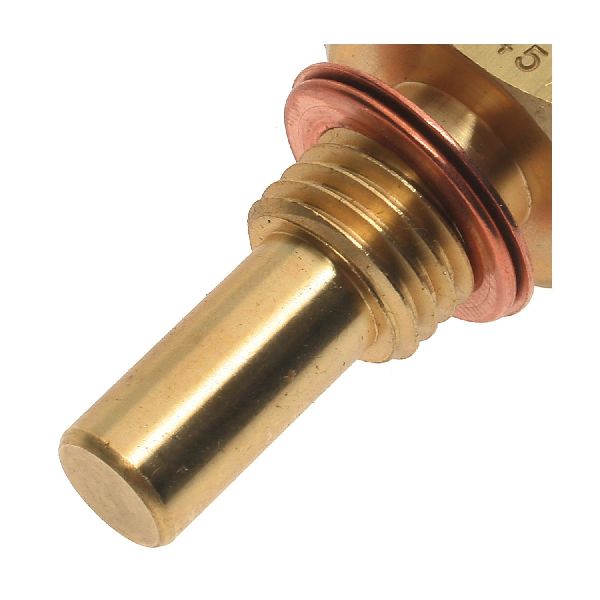
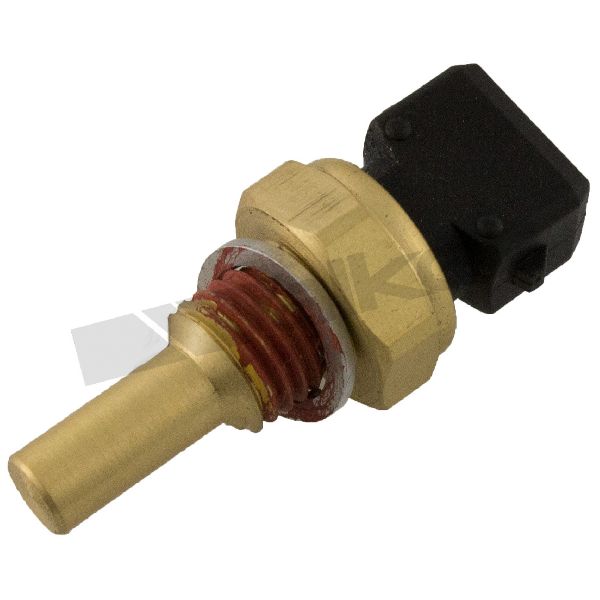
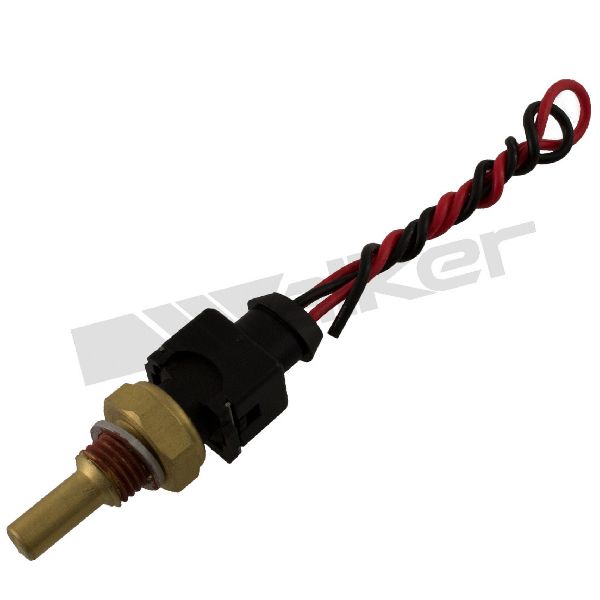
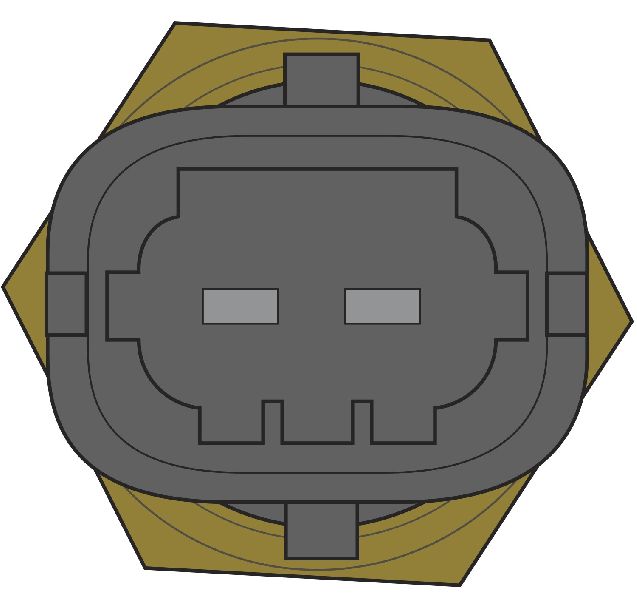
The sensor is a Negative Temperature Coefficient (NTC) type, meaning its resistance decreases as the temperature increases. The ECU reads this change in resistance to determine coolant temperature. The sensor uses a 2-wire connector and typically requires a 19mm deep socket for removal and installation.
We Have This Part in Stock


The information in this article is provided for general reference and educational purposes only. Vehicle specifications, procedures, and part compatibility can vary by production date, trim level, and region. Always consult your vehicle's factory service manual and verify part numbers before purchasing or performing repairs. Safety-critical components such as airbags, seat belts, and braking systems should be installed by a qualified professional.
- Saab 900: