

Choosing the Right Spark Plugs for Your 1994-1998 Saab 900
For Saab's unique Trionic engine, selecting the correct spark plug is more critical than you think.
- For 4-cylinder turbo models, use ONLY NGK spark plugs (BCPR7ES-11 or BCPR6ES-11) to prevent issues with the Trionic system.
- Using other brands like Bosch or Denso in a turbo model can cause misfires and damage the Direct Ignition (DI) cassette.
- Always verify the spark plug gap is between 1.0mm and 1.1mm before installation.
- Replacement is a very easy DIY job that takes less than 30 minutes on 4-cylinder engines.
Engine Differences Matter
When choosing spark plugs for your 1994-1998 Saab 900, the single most important factor is which engine your car has. This model was available with four-cylinder naturally aspirated (non-turbo), four-cylinder turbo, and V6 engines. The requirements for the four-cylinder turbo engines are extremely specific and different from the others.
Symptoms of Failing Spark Plugs
Worn-out spark plugs can cause a range of noticeable problems. If you experience any of these, your plugs should be one of the first things you check.
- Engine misfires (a stuttering or stumbling sensation)
- Rough or unstable idle
- Poor acceleration and hesitation
- Reduced fuel economy
- Difficulty starting the engine
- Check Engine Light illuminated (codes P0300-P0304, P1312, P1334) 🎬 Watch: How to diagnose and fix common Saab misfire issues
Choosing the Right Aftermarket Spark Plug
For most cars, you have a wide choice of quality spark plug brands. For the four-cylinder turbocharged Saab 900, this is not the case. The overwhelming consensus from Saab mechanics and owners is to use only one brand to avoid performance issues.
A Critical Warning for Turbo Owners
The Saab Trionic engine management system in turbo models uses the spark plugs as sensors. Using brands other than NGK, even high-quality ones like Bosch or Denso, can lead to misfires, Check Engine Lights, and potential damage to the expensive Direct Ignition (DI) cassette. 🎬 See this guide on replacing the Direct Ignition cassette The system is specifically calibrated for the resistance and characteristics of NGK plugs.
Brand Recommendations: The Saab 900 Exception
Tier 1: The Only Real Choice for 4-Cylinder Engines
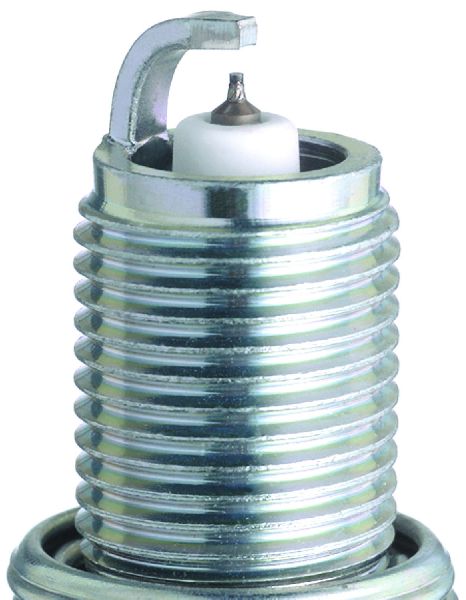
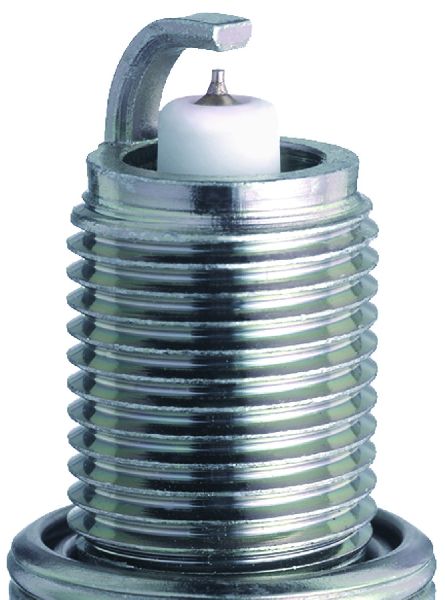
NGK: This is the original equipment (OE) brand for Saab and the only one you should install in a 4-cylinder 900. The standard copper plugs are inexpensive and proven to work perfectly with the Trionic system.
- NGK BCPR7ES-11: This is the standard, colder-heat-range plug recommended for most turbo models, especially for highway driving or tuned engines.
- NGK BCPR6ES-11: A slightly hotter plug, suitable for cars that do a lot of short trips or city driving to help burn off carbon deposits.
Tier 2: Use With Caution (or Not at All)
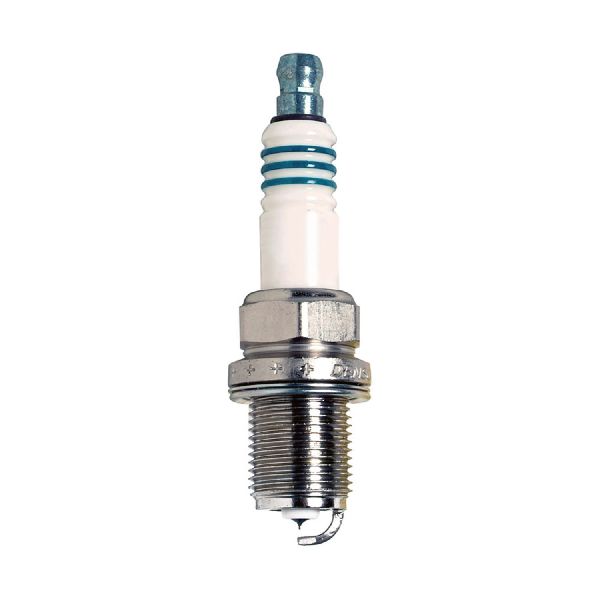
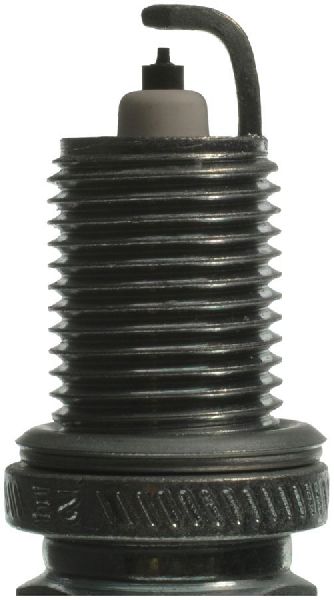
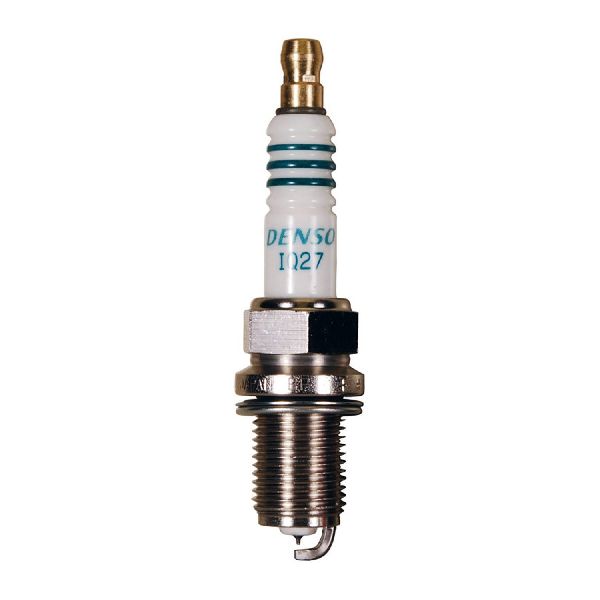
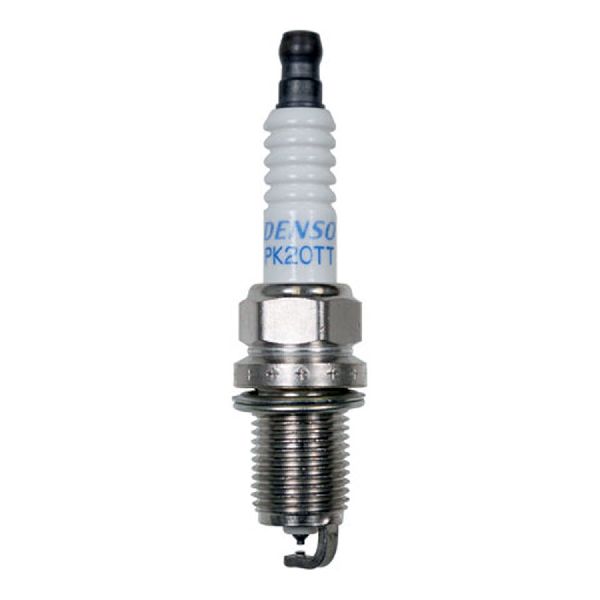
Bosch, Denso, Champion, Autolite: While these are excellent brands for other vehicles, they are widely reported to cause issues in the Saab 900 turbo. Forum and Reddit threads are filled with owners who solved mysterious running problems by removing other brand plugs and installing the correct NGKs. For the V6 engine, which does not use the Trionic ion-sensing system, these brands are generally acceptable, with the NGK BKR6EK being a common choice.
Always Check the Gap
Even though many plugs come "pre-gapped," you must verify the gap before installation. The correct gap for the Saab 900 is typically 1.0mm to 1.1mm (0.040" to 0.044"). An incorrect gap can cause misfires and poor performance. The "-11" in the NGK part number signifies a factory gap of 1.1mm.
| Type | Price Range |
|---|---|
| New Aftermarket (NGK Copper) | $3.55 - $6.00 |
| New Aftermarket (Iridium/Platinum) | $8.00 - $20.58 |
| New OEM (Saab-branded NGK) | $10.00 - $18.00 |
Frequently Asked Questions (FAQ)
Why is NGK so important for this car?
The 4-cylinder turbo engine's computer (Trionic) uses the NGK spark plugs as sensors to detect knock. Other plugs have different electrical properties and interfere with this system, causing running problems.
Can I use more expensive Iridium or Platinum plugs?
While you can, it is not always recommended. The standard, inexpensive NGK copper plugs are what the system was designed for. Some owners report no issues with NGK's platinum or iridium versions, but others have found they don't perform as well as the basic copper plugs. Given the low cost and proven performance of the copper plugs, they are the safest choice.
What's the difference between the BCPR6ES-11 and BCPR7ES-11?
This refers to the heat range. The '7' is a colder plug, better for engines that run hot, such as those with performance tunes or that see a lot of high-speed driving. The '6' is a hotter plug, which helps burn off carbon deposits in cars used mainly for short, low-speed trips. For a stock car with mixed driving, the BCPR7ES-11 is the standard recommendation.
How often should I change the spark plugs?
For the standard NGK copper plugs, a replacement interval of every 10,000 to 15,000 miles is recommended to keep the engine running at its best. Given how easy and cheap they are to replace, frequent changes are good preventative maintenance.
Is replacement a DIY job?
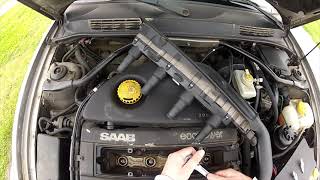
Yes, this is one of the easiest jobs on a 4-cylinder Saab 900. The Direct Ignition cassette sits right on top of the plugs and is held on by four T30 Torx screws. You simply unplug the connector, remove the screws, lift the cassette off, and the spark plugs are right there. The entire job can be done in under 30 minutes with basic tools.
🎬 Watch: A step-by-step DIY walkthrough for replacing your spark plugsHelpful Videos
Technical Specifications
OEM Part Numbers: 9117565 9171307
Recommended Plug (4-Cyl Turbo): NGK BCPR7ES-11. Recommended Plug (V6): NGK BKR6EK. Gap Specification: 1.0mm - 1.1mm (0.040" - 0.044").
We Have This Part in Stock

The information in this article is provided for general reference and educational purposes only. Vehicle specifications, procedures, and part compatibility can vary by production date, trim level, and region. Always consult your vehicle's factory service manual and verify part numbers before purchasing or performing repairs. Safety-critical components such as airbags, seat belts, and braking systems should be installed by a qualified professional.
- Saab 900: