

Volkswagen Golf Ignition Switch Guide (1994-1998)
Having trouble starting your Mk3 Golf or dealing with weird electrical issues? Your ignition switch might be the culprit.
- The ignition switch is a common failure point on the Mk3 Golf, causing a wide range of electrical and starting problems.
- Symptoms often mimic a bad battery or starter, but flickering dash lights or intermittent accessory power point to the switch.
- This is a DIY-friendly repair for many, but if steering wheel and airbag removal is required, professional help is recommended.
- High-quality aftermarket brands like Vemo or Standard Ignition offer a reliable and cost-effective solution compared to OEM parts.
Is Your Golf's Ignition Switch Failing?
The ignition switch on the 1994-1998 Volkswagen Golf (Mk3) is a known weak point. Because it controls power to so many components, a bad switch can create symptoms that seem unrelated. You might think your battery is dead or your starter has failed, when it's actually this small, inexpensive part causing the trouble. Recognizing the signs early can save you from a major headache and a car that won't start.
Common Failure Symptoms
- No-Start or Intermittent Start: You turn the key, and nothing happens, or it only works sometimes. The engine may crank but not start, or it might start and then immediately stall.
- Stalling While Driving: The engine may cut out unexpectedly while you're on the road, which is a serious safety issue. This can happen if the switch's internal contacts are worn and lose connection over bumps.
- Electrical Gremlins: Your radio, dashboard lights, headlights, or power windows might stop working or flicker randomly. This happens because the switch is failing to provide steady power to the car's accessories.
- Key Is Hard to Turn: While often a sign of a bad lock cylinder, a binding or failing switch behind it can also make the key difficult to turn.
- Car Won't Shut Off: In rare cases, the switch can fail in the 'On' position, and the car will keep running even after you've turned the key to 'Off'.
A Note on OEM vs. Aftermarket
For a simple, high-failure part like the ignition switch on a Mk3 Golf, aftermarket options are often a practical choice. The original factory switches have been known to fail over time. A quality aftermarket part can provide the same, if not better, service life for a fraction of the cost of a genuine VW part. Given the low price of even the best aftermarket options, there is little reason to pay a premium for an OEM part in this case.
Choosing the Right Aftermarket Ignition Switch
For your 1994-1998 Golf, several aftermarket brands are available. They generally fall into different quality and price tiers.
| Brand | General Assessment |
|---|---|
| Vemo | Often considered a higher-tier aftermarket brand, Vemo parts are engineered in Germany and sometimes act as an Original Equipment (OE) supplier. This is a strong choice if you prioritize quality and longevity. |
| Standard Ignition (SMP) | A long-standing and respected name in the aftermarket, Standard Ignition is known for producing reliable parts that meet or exceed OEM standards. It's a solid, dependable option that balances quality and cost. |
| Rostra Powertrain | Rostra is a large manufacturer of various automotive electronic components, including parts for original equipment manufacturers. Their parts are generally seen as good quality, standard replacements. |
| URO Parts | URO Parts is known as a budget-friendly option. While some owners have success with their parts, quality can sometimes be inconsistent compared to higher-tier brands. For a critical part that can leave you stranded, it may be worth spending a few extra dollars on a more reputable brand. |
Pro Tip: Check the Electrical Connector
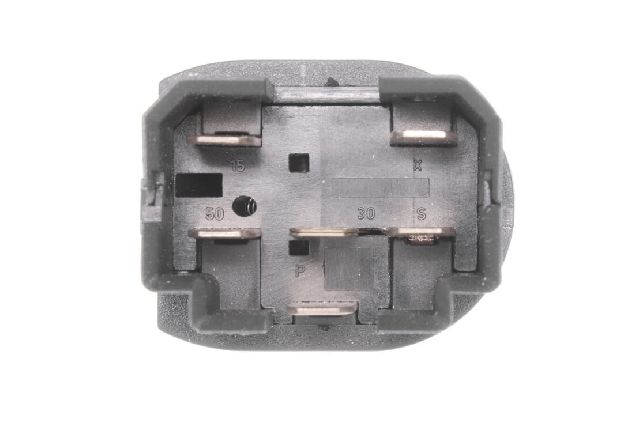
When replacing the switch, inspect the wiring harness connector for any signs of melting, discoloration, or damage. A failing switch can sometimes overheat and damage the connector, a problem seen on some VW models. If the connector is damaged, it will need to be repaired or replaced to ensure a good connection for the new switch.
Frequently Asked Questions (FAQ)
Is the ignition switch the same as the ignition lock cylinder?
No. The lock cylinder is the mechanical part you put your key into. The ignition switch is the electronic component behind it that actually routes electrical power. Often, only the switch needs to be replaced, not the lock cylinder, which means you can keep your original keys.
Was there a recall for the ignition switch on my 1994-1998 Golf?
No. Searches of NHTSA data show recalls for later model year Golfs related to the ignition switch, but none specifically cover the 1994-1998 (Mk3) generation for this component. Any failure on these vehicles is due to age and wear.
Can I replace the ignition switch myself?
Yes, this is a DIY-feasible job for many home mechanics. It typically involves removing the plastic covers around the steering column to gain access. The switch itself is usually held in place by a small screw. However, on some models, you may need to remove the steering wheel, which involves dealing with the airbag. If you are not comfortable disabling and removing the airbag, you should leave this job to a professional.
How do I know for sure the ignition switch is the problem?
A mechanic can test the switch with a multimeter to confirm it's sending power correctly in each key position. A quick diagnostic method is to plug in a new switch (letting it hang) and see if the problems disappear. If the car starts and the electronics work with the new switch, you've found your problem.
Technical Specifications
OEM Part Numbers: 6N0905865 111905865L 4B0905849
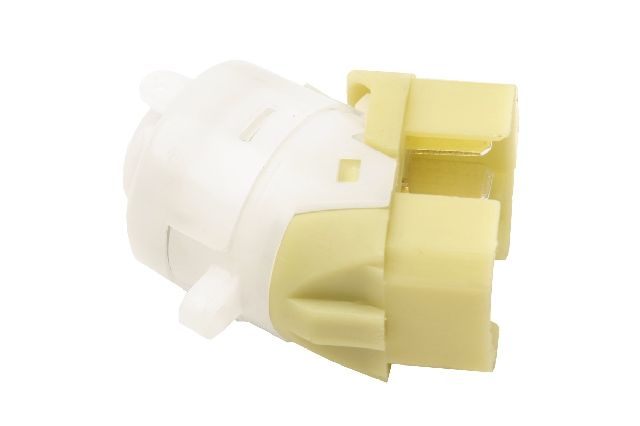
The ignition switch for the 1994-1998 Golf is the electrical component located on the back of the ignition lock housing. It is separate from the mechanical lock cylinder.
We Have This Part in Stock


The information in this article is provided for general reference and educational purposes only. Vehicle specifications, procedures, and part compatibility can vary by production date, trim level, and region. Always consult your vehicle's factory service manual and verify part numbers before purchasing or performing repairs. Safety-critical components such as airbags, seat belts, and braking systems should be installed by a qualified professional.
- Volkswagen Golf: