

A Practical Guide to Replacing the Oxygen Sensor on Your 1994-1998 Volkswagen Jetta
Restore your Mk3 Jetta's fuel economy and engine performance by choosing the right new oxygen sensor.
- Bosch is the original equipment brand; choosing a direct-fit Bosch, Denso, or NGK sensor is your best bet for reliability.
- Confirm if you need the upstream or downstream sensor before buying (1996-1998 models have both).
- Using a special oxygen sensor socket will make the replacement job much easier.
- Ignoring a bad O2 sensor will hurt your fuel economy and can lead to costly catalytic converter damage.
Symptoms of a Failing Oxygen Sensor
When an oxygen sensor starts to fail on your Mk3 Jetta, it usually won't leave you stranded, but it will cause noticeable problems. The most common sign is the Check Engine Light illuminating on your dashboard. You will also likely experience a significant drop in fuel economy, forcing more frequent trips to the gas station. Other symptoms include a rough or unstable idle, engine misfires, and a general feeling of sluggish performance or poor acceleration. In some cases, you might even smell a 'rotten egg' odor from the exhaust, which indicates an incorrect fuel mixture that could eventually harm your catalytic converter.
Choosing the Right Aftermarket Oxygen Sensor
For this generation of Volkswagen, the original equipment (OE) supplier for many electronics, including oxygen sensors, was Bosch. This makes Bosch direct-fit sensors the most straightforward choice for an aftermarket replacement, ensuring proper fit and function without any modifications.
Here’s a breakdown of the available brands, tiered by quality and reputation among VW owners:
- Tier 1 (OEM Equivalent): Bosch is the original part manufacturer, making it the top choice. Denso and NGK/NTK are also premium, OE-quality suppliers known for their reliability and are excellent alternatives. You can't go wrong with any of these three brands.
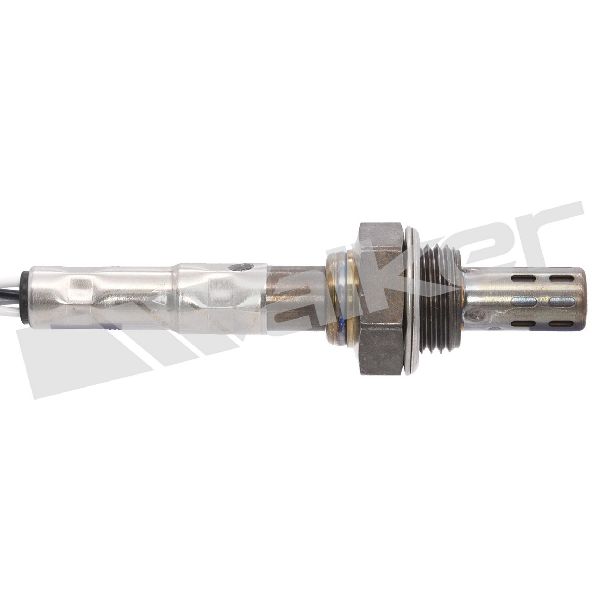
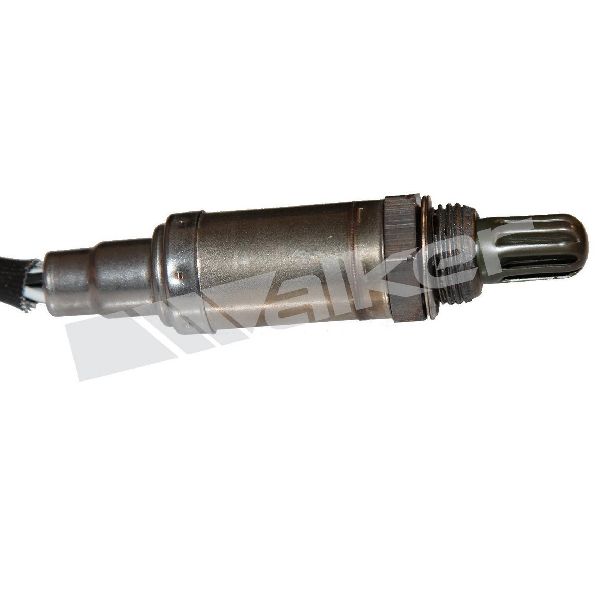
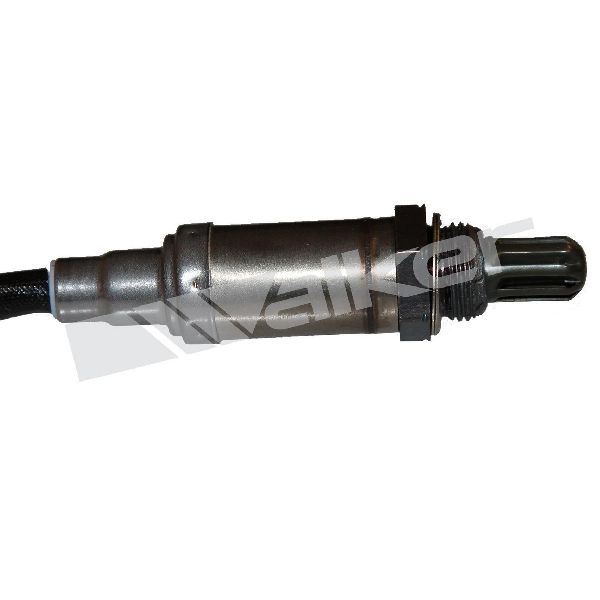
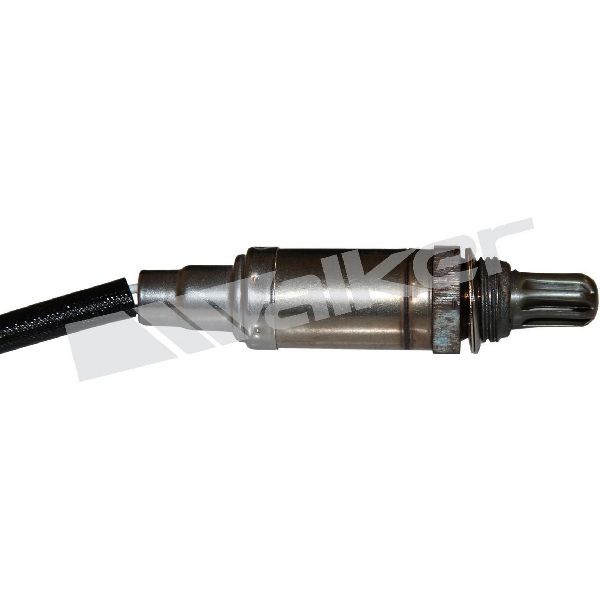
- Tier 2 (Quality Aftermarket): Brands like Delphi, Spectra, and Walker Products offer reliable direct-fit sensors that meet or exceed OE specifications. They are a solid choice if you're looking for a balance between cost and quality.
- Tier 3 (Economy): Brands like DriveWire provide a budget-friendly option. While functional, they may not offer the same longevity or precise calibration as the higher-tier brands.
Typical Replacement Costs
The cost to replace an oxygen sensor depends on the brand you choose and whether you do the work yourself. The job is manageable for a DIY mechanic with the right tools.
| Item | Estimated Cost |
|---|---|
| New Aftermarket Oxygen Sensor | $41 - $171 |
| Shop Labor | $80 - $150 |
| Total Professional Replacement | $121 - $321 |
Frequently Asked Questions (FAQ)
How many oxygen sensors does my 1994-1998 Jetta have?
It depends on the year. Models from 1996-1998 are OBD-II and have two sensors: one upstream (before the catalytic converter) and one downstream (after it). Earlier models (1994-1995) are typically OBD-I and may only have one sensor. Always verify the configuration for your specific vehicle.
Where are the oxygen sensors located?
On the common 2.0L 'ABA' engine, the upstream sensor is located in the exhaust manifold, between the engine and the firewall. The downstream sensor is located after the catalytic converter, underneath the car. The electrical connectors for both are usually found in a black plastic box under the car on the passenger side.
Do I need a special tool to replace an oxygen sensor?
Yes, an 'oxygen sensor socket' is highly recommended. It's a deep socket with a slot cut down the side to accommodate the sensor's wire. Using one makes the job much easier and prevents damage to the wiring. You will also need penetrating fluid to help loosen the old sensor, which is often seized from rust.
Can I clean my old oxygen sensor instead of replacing it?
While some online sources suggest cleaning a sensor, it is not a reliable or recommended repair. The sensor's internal components become contaminated and worn over time, and cleaning the exterior will not restore its proper function. Replacement is the only correct solution.
Technical Specifications
OEM Part Numbers: 021906265B 021906265C 1K0998262D
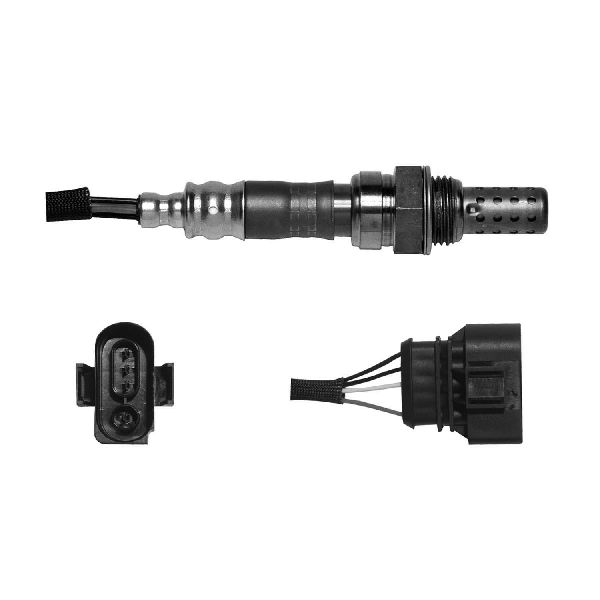
For 1996-1998 models, two sensors are used (upstream and downstream). The upstream sensor is a 4-wire heated sensor. The downstream sensor is also a 4-wire heated sensor. Connectors and wire lengths differ between the two positions.
We Have This Part in Stock

The information in this article is provided for general reference and educational purposes only. Vehicle specifications, procedures, and part compatibility can vary by production date, trim level, and region. Always consult your vehicle's factory service manual and verify part numbers before purchasing or performing repairs. Safety-critical components such as airbags, seat belts, and braking systems should be installed by a qualified professional.
- Volkswagen Jetta: