

Chevrolet Impala SS Mass Air Flow Sensor: A Guide for 1994-1996 Models
Understand common MAF sensor problems and choose the right replacement for your LT1-powered Impala SS.
- This guide applies only to the 1994-1996 Impala SS with the LT1 engine.
- A bad MAF sensor causes serious driveability issues like stalling, hesitation, and poor fuel economy.
- For critical sensors, choosing an OEM-quality brand like ACDelco or Delphi is highly recommended to avoid performance problems.
- Be cautious of over-oiling aftermarket air filters, as this is a known cause of MAF sensor contamination and failure.
A Note on Vehicle Years
This guide is for the seventh-generation Chevrolet Impala SS, produced from 1994 to 1996. These cars are equipped with the 5.7L LT1 V8 engine. The Impala model was discontinued from 1997 to 1999, so if you have a car from those years, it is not an Impala. This information specifically applies to the '94-'96 models.
Symptoms of a Failing MAF Sensor
A bad MAF sensor can make your Impala run poorly in many ways. Because the sensor's data is so important, a bad signal can cause a chain reaction of problems. You might notice one or more of the following signs:
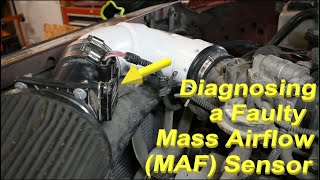
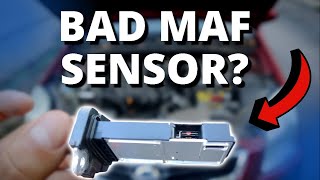
🎬 Watch: A visual guide to common bad MAF sensor symptoms.- Check Engine Light: This is often the first sign. The light may be accompanied by diagnostic trouble codes (DTCs) like P0100, P0101, P0102, or P0103.
- Rough Idle and Stalling: The engine may shake, idle erratically, or stall completely, especially when you're stopped.
- Hesitation and Jerking: When you press the gas, the car might hesitate, jerk, or feel like it has no power. This can be dangerous when merging or pulling into traffic.
- Poor Fuel Economy: If the sensor tells the computer there's more air than there really is, the engine will use too much fuel, and you'll notice more frequent trips to the gas station.
- Black Exhaust Smoke: Black smoke coming from your tailpipe is a clear sign that the engine is running too rich (too much fuel), which can be caused by a faulty MAF sensor.
- Transmission Problems: The PCM also uses MAF data to control automatic transmission shifting. A bad sensor can cause hard shifts, delayed shifts, or other strange transmission behavior.
Known Issue: Oiled Air Filters
A General Motors Technical Service Bulletin (TSB) warns that using an aftermarket oiled air filter can cause major problems. Oil from an over-oiled filter can get sucked into the intake and coat the sensitive wires of the MAF sensor. This contamination leads to incorrect readings, causing a wide range of engine and transmission issues. The TSB states that damage caused by this is not a warrantable repair. If you use a reusable oiled filter, ensure it is not over-oiled. Sometimes, cleaning the sensor with a dedicated MAF sensor cleaner can fix the problem.
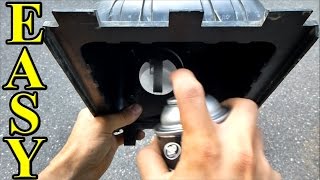
🎬 See this detailed walkthrough on how to clean your sensor.Choosing the Right Aftermarket MAF Sensor
For a critical electronic part like the MAF sensor, quality matters. Using a cheap, low-quality sensor can cause performance problems right out of the box. Here’s a breakdown of the available brands to help you choose.
Tier 1: OEM Quality
These brands are either the original equipment manufacturer or are known to produce parts to the same standard. They are the safest choice for reliability and performance.
- ACDelco: As GM's own parts brand, this is the closest you can get to the original part that came on your car. However, be aware that ACDelco has different product lines; the "GM Genuine" parts are the true OEM parts.
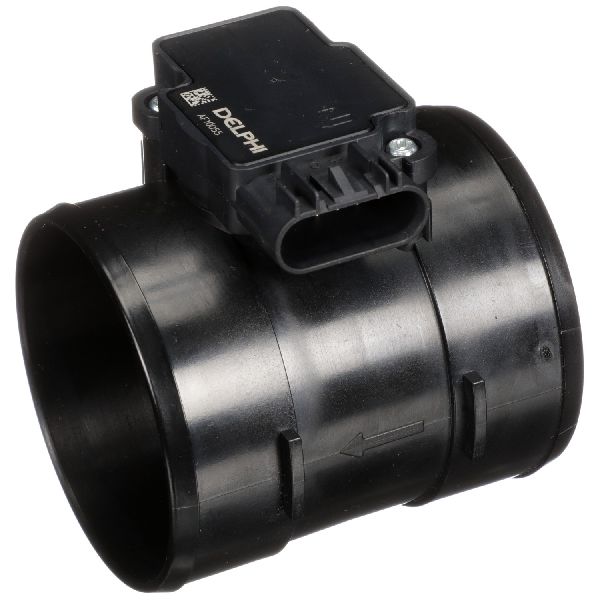
- Delphi: Delphi was the company that originally manufactured many of GM's electronic parts, so their products are considered OEM quality. Forum members often recommend Delphi as a reliable and slightly more affordable alternative to ACDelco.
Tier 2: Reputable Aftermarket
These brands have a strong reputation for quality in the aftermarket and are a solid choice if an OEM-tier part isn't available or is out of budget.
- NGK/NTK: NGK is famous for spark plugs, and their sensor division, NTK, is highly regarded for making quality electronic components.
- Standard Ignition (SMP): A long-standing brand in the aftermarket that produces reliable sensors and ignition components.
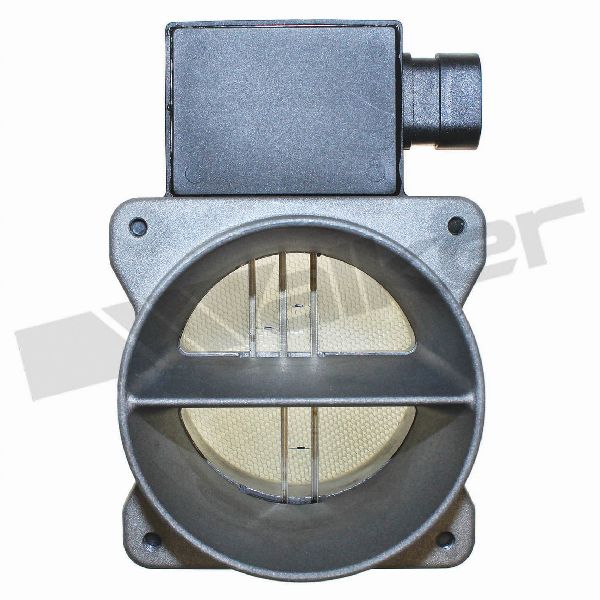
- Walker Products: A well-known aftermarket manufacturer of fuel system and engine management components.
Tier 3: Budget & Remanufactured
These brands offer a lower price point, but quality can be inconsistent. They may be a viable option for a tight budget, but be aware of the potential risks.
- Cardone (A1 Cardone): Primarily known for remanufactured parts, Cardone also offers new components. Their reputation for electronics is mixed, with some users reporting issues.
- Spectra: Often a budget-friendly option, but some users have reported driveability problems like rough idling and shifting issues after installation.
What About Performance MAF Sensors?
Brands like Granatelli offer performance-tuned MAF sensors that claim to increase horsepower by 10-15 hp. These are designed for enthusiasts looking to get more power from their LT1 engine. However, for a daily driver with a stock engine, an OEM-quality sensor is the most reliable choice for smooth operation.
Cost of Replacing a Mass Air Flow Sensor
Replacing the MAF sensor on a 1994-1996 Impala SS is a simple job that most owners can do themselves in under 15 minutes. This saves you money on labor costs.
| Part Type | Estimated Cost |
|---|---|
| New Aftermarket | $93.79 - $162.50 |
| New OEM (ACDelco/Delphi) | $115 - $260 |
| Shop Labor | $50 - $100 |
Frequently Asked Questions
Can I just clean my MAF sensor instead of replacing it?
Sometimes, yes. If the sensor is dirty, especially from oil from an aftermarket air filter, cleaning it with a dedicated MAF sensor cleaner spray can restore its function. Be very careful not to touch the delicate internal wires. If cleaning doesn't solve the problem, the sensor's electronics have likely failed, and it needs to be replaced.
Is it hard to replace the MAF sensor myself?
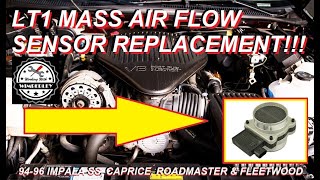
No, it is a very easy job. It typically requires only a flathead screwdriver to loosen the hose clamps on either side of the sensor. You disconnect the electrical plug, remove the old sensor, install the new one, tighten the clamps, and reconnect the plug. The entire process takes less than 15 minutes.
🎬 Watch: Step-by-step MAF replacement for your LT1 engine.What does the arrow on the MAF sensor mean?
The arrow on the sensor housing indicates the direction of airflow. It must be pointing towards the engine's throttle body for the sensor to read correctly. Installing it backward will cause immediate running problems.
My check engine light is still on after replacing the sensor. What's wrong?
First, the trouble code needs to be cleared from the computer's memory with an OBD2 scanner. If the light comes back on, the problem may not have been the sensor itself. A P0100 code, for example, can point to a problem in the sensor's wiring circuit. You could have a damaged wire or a poor connection. It's also possible the new sensor is faulty, which is more common with budget brands.
Helpful Videos
Technical Specifications
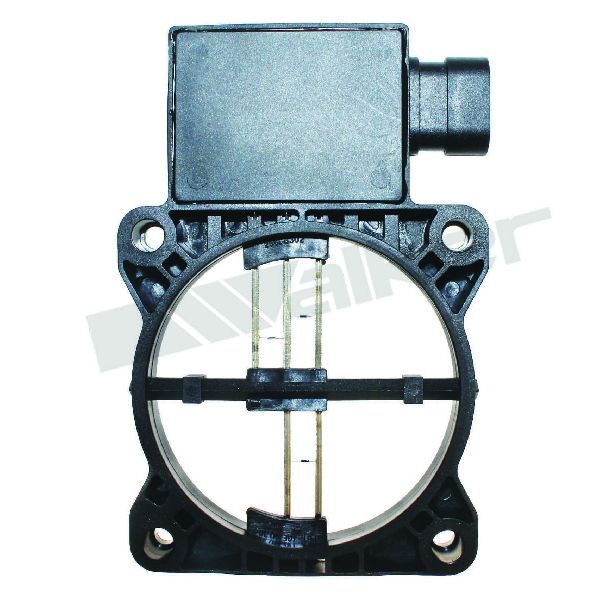
OEM Part Numbers: 19207202 25008302 2133458 2134527
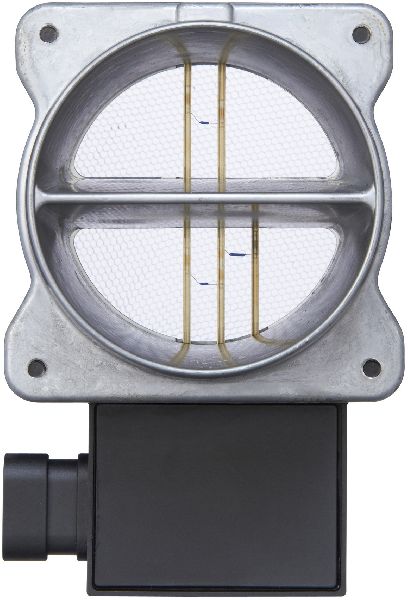
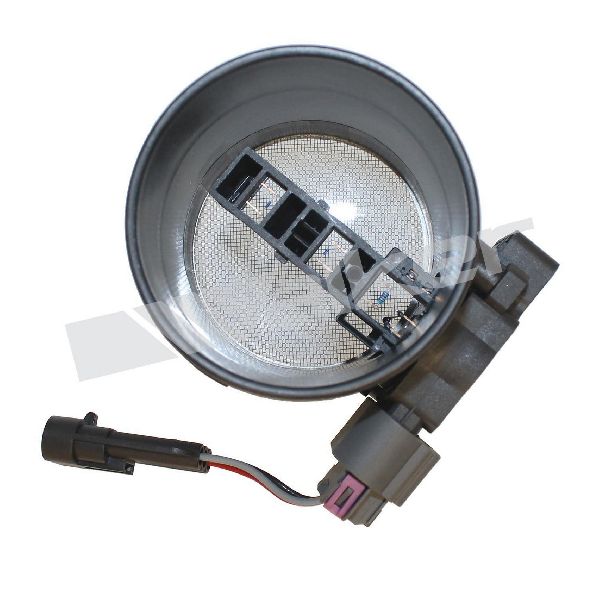
Hot wire type sensor, includes housing, 3-pin electrical connector.
We Have This Part in Stock


The information in this article is provided for general reference and educational purposes only. Vehicle specifications, procedures, and part compatibility can vary by production date, trim level, and region. Always consult your vehicle's factory service manual and verify part numbers before purchasing or performing repairs. Safety-critical components such as airbags, seat belts, and braking systems should be installed by a qualified professional.
- Chevrolet Impala:
- 🎬 Helpful Videos
- 🛍️ Shop This Part
- A Note on Vehicle Years
- Symptoms of a Failing MAF Sensor
- Known Issue: Oiled Air Filters
- Choosing the Right Aftermarket MAF Sensor
- Tier 1: OEM Quality
- Tier 2: Reputable Aftermarket
- Tier 3: Budget & Remanufactured
- What About Performance MAF Sensors?
- Cost of Replacing a Mass Air Flow Sensor
- Frequently Asked Questions
- 🎟️ Get 5% Off