

Choosing the Right Spark Plug Wire Set for Your 1994-1996 Chevrolet Impala SS
Keep your Impala's LT1 V8 running strong with the correct set of spark plug wires.
- This guide is for the 1994-1996 Impala SS with the 5.7L LT1 V8.
- Properly routing new wires away from hot exhaust manifolds is critical to prevent them from melting.
- For most owners, a quality OEM-style set from ACDelco or Delphi is a reliable and cost-effective choice.
- It is highly recommended to replace the spark plugs at the same time as the wires.
Understanding Spark Plug Wires on Your Impala SS
The 1994-1996 Chevrolet Impala SS uses the legendary 5.7L LT1 V8 engine. A key part of its ignition system is the spark plug wire set. These wires have to handle high voltage and extreme engine bay heat. Over time, the original wires can break down, causing a range of problems from a simple misfire to a no-start condition. Replacing them is a common maintenance item that restores performance and reliability.
A Note on Vehicle Years
This guide applies specifically to the seventh-generation Chevrolet Impala SS, which was produced from 1994 to 1996. The Impala name was not used from 1997-1999. If you have an Impala from 2000 or later, this guide does not apply to your vehicle.
Symptoms of Failing Spark Plug Wires
When spark plug wires start to fail on your LT1, the signs are usually noticeable. Because the wires can't deliver a consistent spark, you may experience:
- Rough Idling: The engine may shake or vibrate more than usual when stopped.
- Engine Misfires: You might feel a hesitation or stumble during acceleration. This can trigger a P0300 (random misfire) or cylinder-specific codes (P0301-P0308).
- Poor Fuel Economy: When the engine isn't running efficiently, it uses more gas.
- Check Engine Light: A failing wire can cause the computer to detect a misfire and turn on the check engine light.
- Difficulty Starting: Weak spark can make it hard for the engine to turn over, especially when cold.
Choosing the Right Aftermarket Wires
When it comes to aftermarket parts, you often get what you pay for. For a critical component like spark plug wires on an LT1, choosing a quality brand is important. Poorly made wires can fail quickly due to the high heat from the exhaust manifolds.
Brand Quality Tiers
Premium/Performance Brands (MSD, Granatelli, FAST, Taylor Cable): These brands are popular with enthusiasts. They often feature thicker wires (8.5mm or larger) with very low resistance and high-heat silicone jackets. Brands like MSD are known for low resistance (40-50 ohms per foot), which can provide a stronger spark compared to stock wires. While excellent for performance, some users report that extremely low-resistance wires can sometimes cause radio frequency interference (RFI).
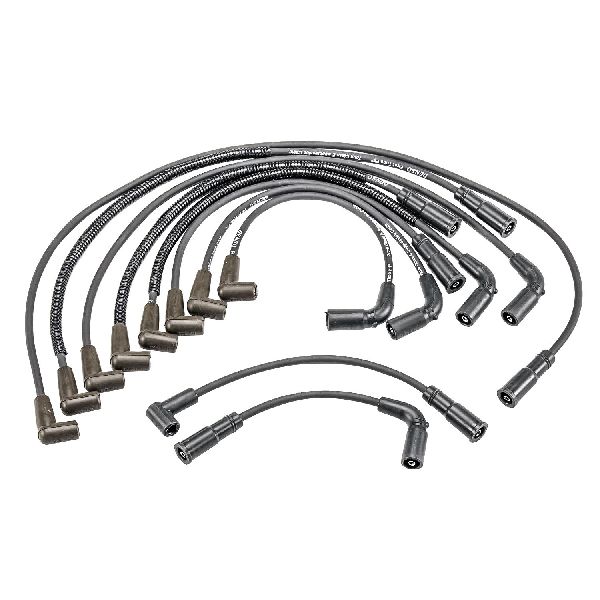
OEM-Quality Brands (ACDelco, Delphi, NGK): ACDelco is the original equipment manufacturer for GM, so their wires are a direct replacement for the stock 7mm wires. They are a reliable choice for a stock or lightly modified car. Delphi and NGK are also trusted OEM suppliers that offer excellent quality and fitment, providing a good balance of performance and value.
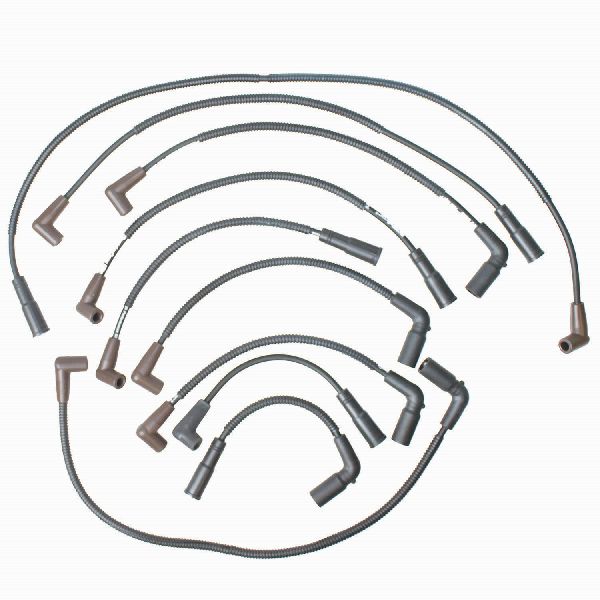
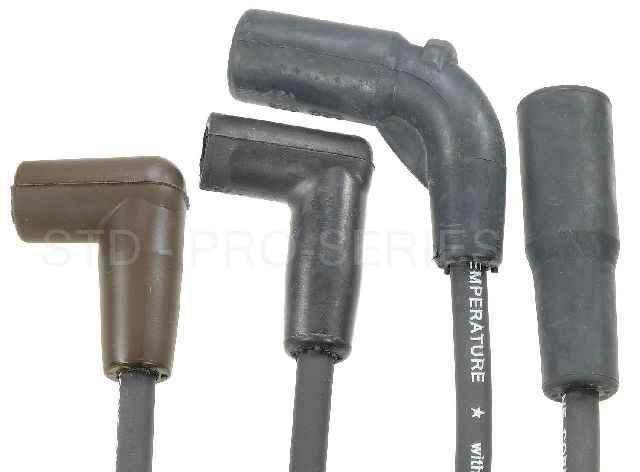
Standard/Value Brands (Standard Wires, Walker Products, Pertronix): These brands offer a more budget-friendly option. They will get the job done but may not have the same durability or heat resistance as the premium or OEM-quality tiers. For a daily driver, they can be a suitable choice, but careful installation and routing away from heat sources are extra important.
Pro Tip: Heat Protection is Key
The LT1 engine is known for cooking spark plug wires, especially those near the exhaust manifolds. When installing new wires, consider adding high-temperature protective sleeves to the boots and wire sections that are closest to hot components. Also, ensure you reuse all the factory wire looms and clips to keep wires properly routed and secured.
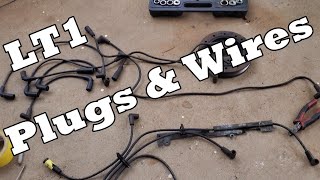
🎬 See this walkthrough for installing wires on an Impala SS.| Part Type | Estimated Cost |
|---|---|
| New Aftermarket | $63.83 - $114.00 |
| New OEM (ACDelco) | $70 - $120 |
| Shop Labor | $150 - $250 |
Frequently Asked Questions
Do I need special tools to replace the spark plug wires?
You will need a spark plug wire puller to safely remove the boots from the spark plugs without damaging them. A 5/8" swivel spark plug socket and various extensions are also necessary for replacing the spark plugs at the same time, which is highly recommended. Access is tight, so patience is key.
🎬 Watch: The easiest way to remove spark plugs on an Impala.What's the difference between 7mm, 8.5mm, and 10mm wires?
The measurement refers to the diameter of the wire's outer jacket. Thicker wires, like 8.5mm or 10.2mm, generally offer better insulation against heat and electrical arcing. For a stock engine, standard 7mm or 8mm OEM-quality wires are perfectly fine. Performance wires are often thicker to accommodate lower resistance conductors and more robust insulation.
Why is correct routing so important on an LT1?
The LT1 has a unique reverse-flow cooling system and exhaust manifolds that get very hot. If spark plug wires touch the manifolds, they will melt and short out, causing a misfire. You must route the new wires through all the original factory clips and looms to keep them away from the exhaust. Replacing one wire at a time helps ensure you follow the correct path.
Should I replace my Optispark distributor at the same time?
Not necessarily. The Optispark distributor is a known weak point on LT1 engines, but it is a much more involved and expensive job to replace. If you are only having symptoms of bad wires (like a single-cylinder misfire), just replace the wires and plugs first. If you have multiple random misfires or other ignition issues that new wires don't solve, then you may need to look at the Optispark cap, rotor, or the entire unit.
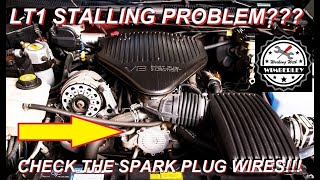
🎬 Watch: Why you should check wires before replacing the Optispark.Helpful Videos
Technical Specifications
OEM Part Numbers: 19431551
Engine: 5.7L LT1 V8, Wire Diameter: 7mm (OEM), 8mm, 8.5mm, 10.2mm (Aftermarket), Core Type: Spiral Core, Distributor: Optispark
We Have This Part in Stock

The information in this article is provided for general reference and educational purposes only. Vehicle specifications, procedures, and part compatibility can vary by production date, trim level, and region. Always consult your vehicle's factory service manual and verify part numbers before purchasing or performing repairs. Safety-critical components such as airbags, seat belts, and braking systems should be installed by a qualified professional.
- Chevrolet Impala: