

Chrysler Voyager Crankshaft Position Sensor Guide (1994-1999)
Solve stalling and no-start problems on your Voyager by understanding its crankshaft position sensor.
- A 'crank-no-start' condition is the number one sign of a failed crankshaft sensor on your Voyager.
- The sensor is located on the transmission bell housing and is easier to access from underneath the van.
- The most common trouble code is P0320.
- For reliability, consider premium aftermarket brands like Standard Ignition (SMP) or NTK, as budget sensors have a higher failure rate.
Is Your Voyager's Crankshaft Sensor Failing?
A bad crankshaft position sensor on the 1994-1999 Chrysler Voyager can cause some very noticeable problems. Often, the first sign is the engine cranking but refusing to start. You might also experience the engine stalling unexpectedly while driving or idling, which can be dangerous. Other common signs include a rough idle, poor acceleration, a decrease in fuel economy, and the Check Engine Light coming on. Sometimes, a failing sensor can cause issues only when the engine is hot, leading to a no-start condition that goes away after the van cools down.
🎬 Watch: Common symptoms of a failing crankshaft sensorCritical Failure: No Start or Stalling
The most severe symptoms are a complete failure to start or stalling while driving. If the engine's computer loses the signal from the crankshaft sensor, it doesn't know when to fire the spark plugs or injectors, effectively shutting the engine down.
Choosing the Right Aftermarket Sensor
When replacing this sensor, you have a choice between OEM (Original Equipment Manufacturer) and various aftermarket brands. For critical sensors like the crankshaft position sensor, quality matters. Forum discussions among Chrysler owners often highlight that while some aftermarket brands work well, others can be unreliable or fail quickly.
Here’s a general breakdown of aftermarket brand quality based on owner experiences and mechanic feedback:
- Premium Aftermarket (Good Bet): Brands like Standard Ignition (SMP) and NTK/NGK are often recommended by mechanics and have a reputation for being reliable alternatives to OEM. They are frequently considered OEM-quality suppliers for many car manufacturers.
- Standard Aftermarket (Use with Caution): Brands like Dorman and Walker Products can be hit-or-miss for electronic sensors. While they offer a cost-effective solution, some user reviews report parts that were dead-on-arrival or failed prematurely. These may be suitable if you're on a tight budget, but be aware of the potential for issues.
- Value Brands (Budget-Focused): Brands like Global Parts, Motorad, and True Tech fall into the budget category. They are the most affordable but carry the highest risk of quality issues. Consider these if the vehicle's value is low and you need a temporary fix.
Pro Tip: Check the Connector
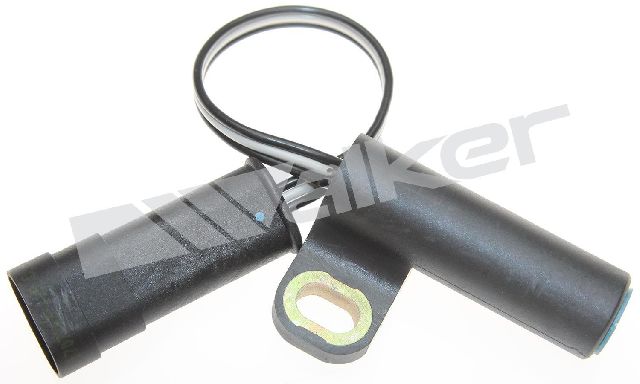
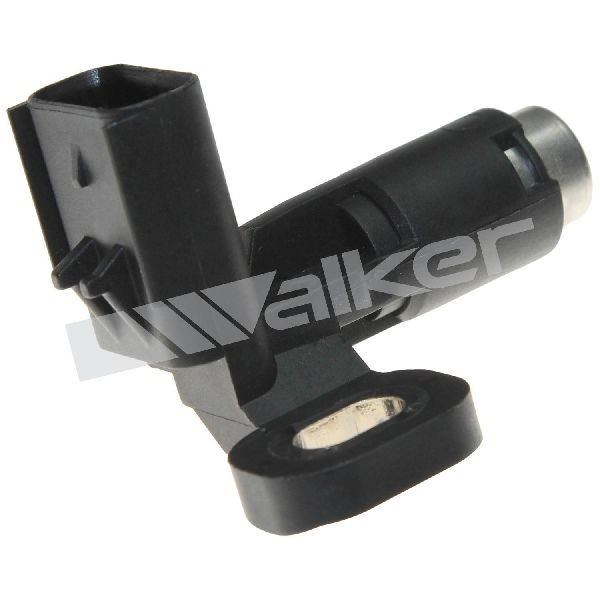
Before ordering, visually inspect your old sensor and its electrical connector. On some Chrysler models, there were variations in the number of pins (2-pin vs. 3-pin) on the sensor connector. Ensuring your new part matches the old one will prevent installation headaches.
Cost of Replacing the Crankshaft Position Sensor
| Part Type | Estimated Cost |
|---|---|
| New Aftermarket Part | $25 - $55 |
| New OEM (Mopar) Part | $70 - $120 |
| Shop Labor | $90 - $150 |
| Total Professional Replacement (Aftermarket) | $115 - $205 |
| Total Professional Replacement (OEM) | $160 - $270 |
Frequently Asked Questions (FAQ)
Where is the crankshaft sensor located on a 1994-1999 Voyager?
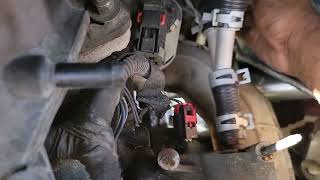
On Voyagers with the 3.3L and 3.8L V6 engines, the crankshaft position sensor is located on the transmission bell housing, near the back of the engine. 🎬 See this video for the exact sensor location It is positioned above the differential housing and reads notches on the drive plate (flexplate). On post-1996 models, it is often easier to access from underneath the vehicle.
Can I replace this sensor myself?
Yes, this is a DIY-feasible job for someone with basic mechanical skills and tools. Accessing the sensor from underneath the vehicle is usually required. The sensor is typically held in by a single bolt (often 10mm). The main challenges are reaching the sensor's location and disconnecting the electrical connector, which can be tight.
Are there any recalls for this part on my Voyager?
Searches of the NHTSA database did not show any specific recalls for the crankshaft position sensor on the 1994-1999 Chrysler Voyager. Later model Chrysler vehicles with different engines have had recalls related to this sensor, but they do not apply to this generation.
What is the most common trouble code for a bad crank sensor?
The most common diagnostic trouble code (DTC) for a failing crankshaft position sensor is P0320 - Ignition/Distributor Engine Speed Input Circuit Malfunction. This code is set when the powertrain control module (PCM) loses the reference signal from the sensor.
🎬 Watch: How to diagnose and fix code P0320Helpful Videos


Technical Specifications
OEM Part Numbers: 4686236 4609153AF 4609153AE 4609153AD 4727451AA
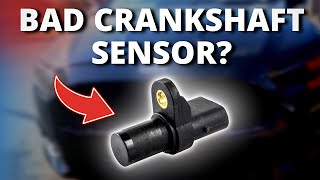
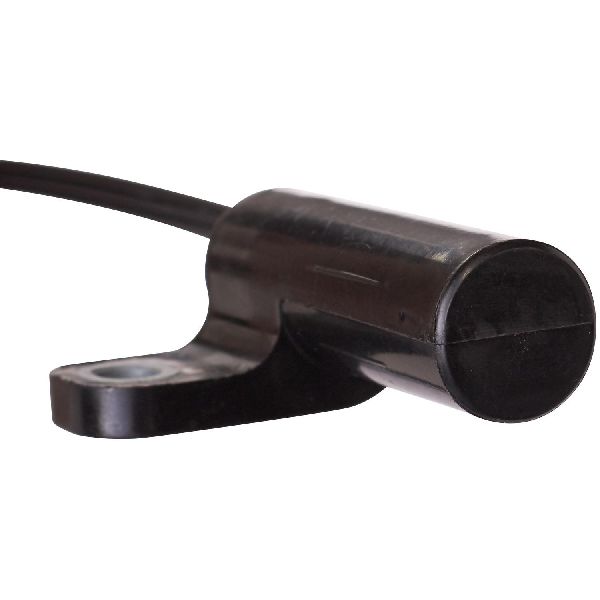
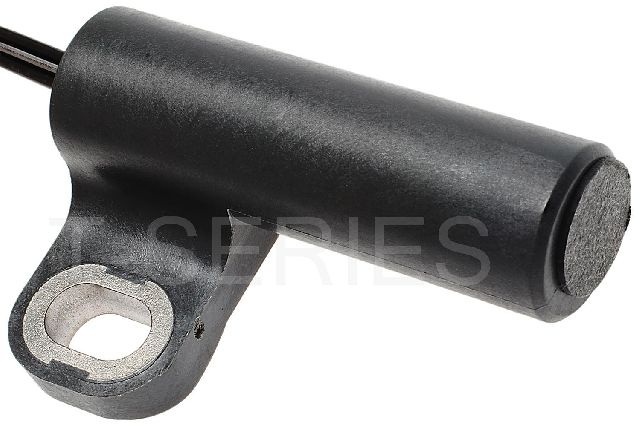
This is a 3-prong, hall-effect magnetic sensor that reads the crankshaft position via the drive plate. It is located on the transmission bell housing on 3.3L and 3.8L engines.
We Have This Part in Stock


The information in this article is provided for general reference and educational purposes only. Vehicle specifications, procedures, and part compatibility can vary by production date, trim level, and region. Always consult your vehicle's factory service manual and verify part numbers before purchasing or performing repairs. Safety-critical components such as airbags, seat belts, and braking systems should be installed by a qualified professional.
- Chrysler Voyager: