

Chrysler Voyager Engine Mount Guide: 1994-1999
Stop the shaking and clunking noises in your Voyager by understanding and replacing your engine mounts.
- The most common signs of failure are heavy vibration at idle and a loud 'clunk' when shifting into gear.
- Aftermarket brands like Anchor and DEA are affordable but may increase cabin vibration or have a shorter lifespan than OEM parts.
- Replacing the front mount is a common repair and is achievable for a DIYer with a floor jack and basic tools.
- There are no active recalls or widespread TSBs for engine mounts on this specific generation of Chrysler Voyager.
Is Your Van Shaking? It Might Be Time for New Mounts
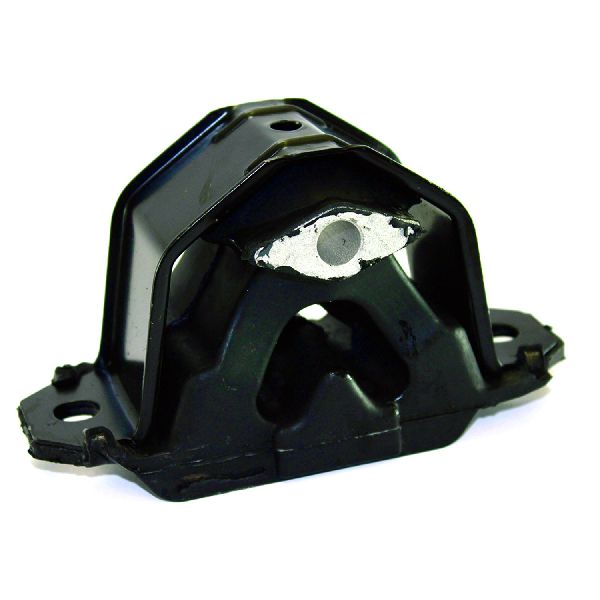
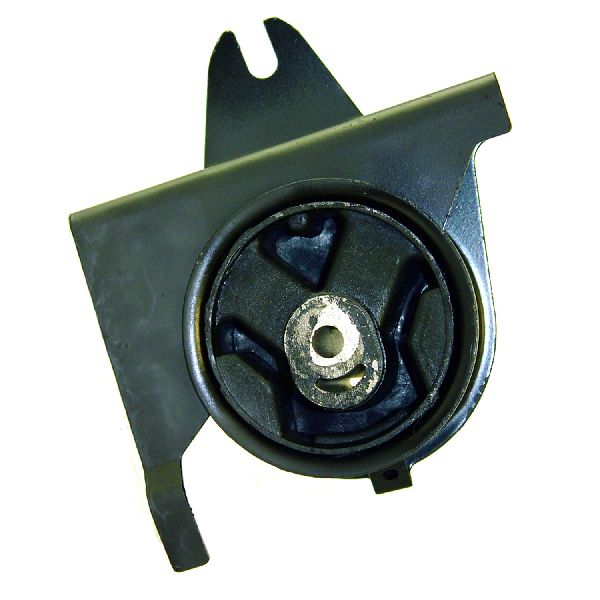
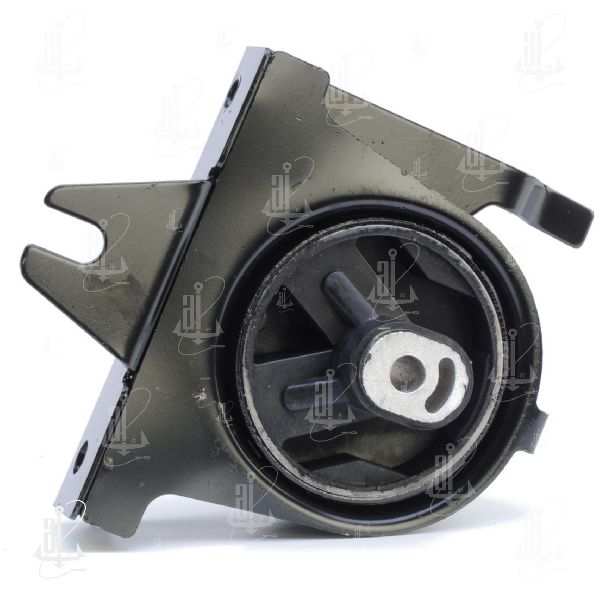
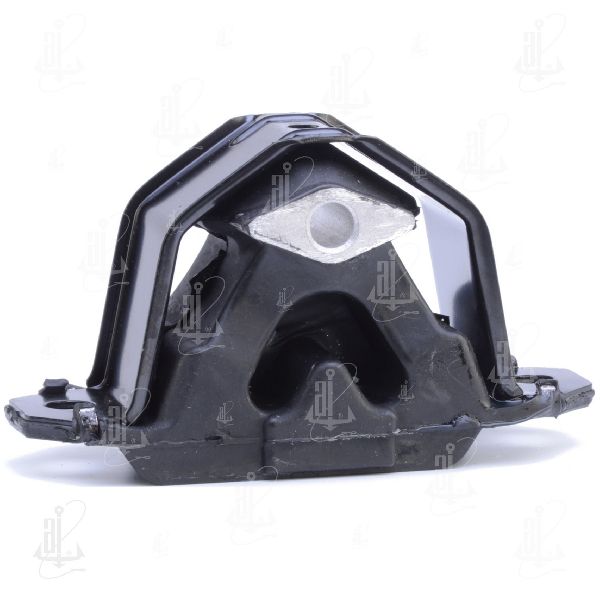
If you're feeling a new vibration in the steering wheel or hearing a clunk when you put your 1994-1999 Chrysler Voyager into gear, a bad engine mount is a likely suspect. These vans have several mounts, including a prominent one at the front, one at the rear, and one for the transmission. When one fails, it puts extra stress on the others, so it's a good idea to inspect all of them if you suspect a problem. Ignoring a bad mount can lead to more noise, a rougher ride, and potential damage to other components like hoses or exhaust pipes.
Symptoms of a Failing Engine Mount
Bad engine mounts usually give you clear warning signs. Here’s what to look and listen for:
- Excessive Vibration: This is the most common symptom. You might feel a strong vibration through the steering wheel, floor, or seats, especially when idling in gear at a stoplight.
- Clunking or Banging Noises: A loud 'clunk' or 'thud' when you shift from Park to Drive, or when you accelerate or decelerate, often means the engine is moving too much and hitting its stops.
- Visible Engine Movement: With the hood open, have a helper hold the brake and shift from Drive to Reverse. If you see the engine lurch or rock more than an inch or two, the mounts are likely worn out.
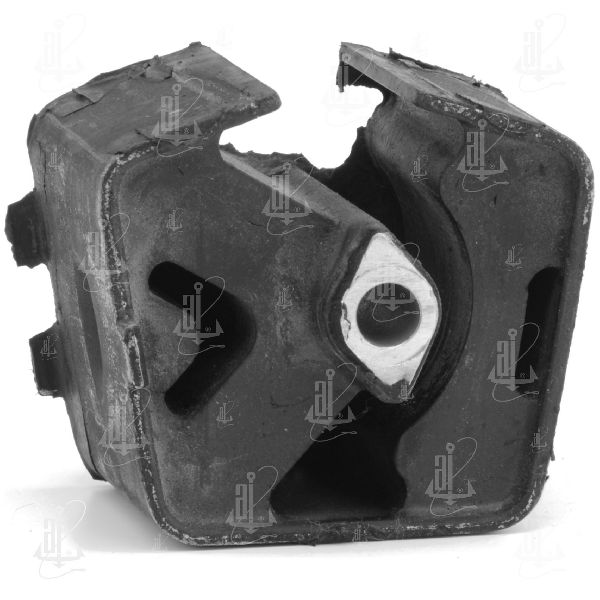
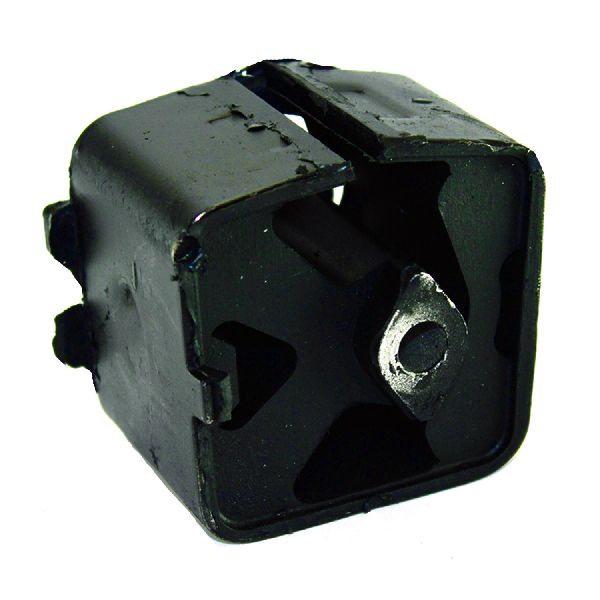
- Visual Damage: You might be able to see cracks in the rubber part of the mount or see that the engine is sagging on one side. The front mount on these vans is known to sag over time.
Choosing the Right Aftermarket Mounts
For a vehicle of this age, new aftermarket parts are the most common and affordable choice. Original Mopar parts may be hard to find or very expensive. The main aftermarket brands you'll find are budget-friendly options like Anchor and DEA.
A Note on Budget Brands (Anchor, DEA): Many owners use these brands because they are affordable. However, the quality can be inconsistent. Some users report they work fine, while others experience a poor fit, increased vibrations compared to the original part, or a shorter lifespan. If your goal is a quick and cheap fix, they will work. If you are sensitive to vibration or want the longest-lasting repair, a more premium brand or an OEM part (if you can find it) would be better.
Cost of Replacing an Engine Mount
| Part / Service | Estimated Cost |
|---|---|
| New Aftermarket Part (e.g., Anchor, DEA) | $10.11 - $57.41 |
| New OEM (Mopar) Part | $100 - $200+ (if available) |
| Shop Labor (per mount) | $100 - $250 |
| Total Professional Replacement (Aftermarket) | $110 - $310 |
Frequently Asked Questions
How many engine mounts does my Chrysler Voyager have?
Your van has a system of mounts holding the engine and transmission. This typically includes a front mount, a rear mount, and a left-side transmission mount. It's common to replace them as a set if they are all original.
Can I replace the engine mounts myself?
Yes, this is a manageable job for a DIYer with a good set of tools. You will need a floor jack and a block of wood to safely support the engine's weight while you swap the mount. The front mount is generally the easiest to access. Always use jack stands for safety when working under your vehicle.
Are there any recalls on Voyager engine mounts?
No, searches of the National Highway Traffic Safety Administration (NHTSA) database show no specific recalls for engine mounts on the 1994-1999 Chrysler Voyager.
Why are my new aftermarket mounts vibrating more than the old ones?
This is a common complaint with some budget-friendly aftermarket mounts. The rubber compound used may be harder than the original, so it transmits more engine vibration into the vehicle's frame instead of absorbing it. Sometimes this lessens as the mounts break in, but it's a known trade-off for the lower cost.
Technical Specifications
OEM Part Numbers: 5012896AA
Typically includes front, rear, and transmission mounts. Mounts are made of steel and rubber; some original versions may have been hydraulic. Replacement requires supporting the engine.
We Have This Part in Stock

The information in this article is provided for general reference and educational purposes only. Vehicle specifications, procedures, and part compatibility can vary by production date, trim level, and region. Always consult your vehicle's factory service manual and verify part numbers before purchasing or performing repairs. Safety-critical components such as airbags, seat belts, and braking systems should be installed by a qualified professional.
- Chrysler Voyager: