

Chrysler Voyager Vehicle Speed Sensor Guide (1994-1999)
Having speedometer or shifting problems with your Voyager? Your Vehicle Speed Sensor might be the culprit.
- A faulty VSS is a primary cause of erratic shifting and speedometer issues in 1994-1999 Voyagers.
- The Check Engine Light with code P0500 strongly points to a VSS problem.
- Replacement is a simple, DIY-friendly job located on the front of the transmission.
- Quality aftermarket brands like Standard Ignition or Walker Products are reliable and cost-effective choices.
Understanding the Vehicle Speed Sensor in Your Voyager
The Vehicle Speed Sensor (VSS) on a 1994-1999 Chrysler Voyager is a key electronic part. It's responsible for generating a signal that tells the engine's computer how fast you're driving. This signal is essential for more than just your speedometer; it directly impacts the automatic transmission's shift points and the function of your cruise control. A failing sensor can make your Voyager shift gears harshly, erratically, or not at all, and can cause the speedometer to give incorrect readings or stop working completely.
Symptoms of a Failing Vehicle Speed Sensor
A bad VSS will usually make itself known through several clear symptoms. The most common issues owners report are problems with the automatic transmission. You might feel hard, jerky shifts, or the transmission may delay shifting, get stuck in one gear (often second gear, known as "limp-in mode"), or shift at the wrong times. Another obvious sign is an erratic or non-working speedometer. The needle might jump around, read much lower than your actual speed, or just sit at zero. You may also find that your cruise control no longer works. In many cases, a failing VSS will trigger the 'Check Engine' light.
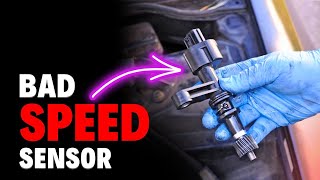
🎬 Watch this video to learn more about common VSS symptoms.Limp-In Mode
If your Voyager's transmission is stuck in second gear, it has likely entered "limp-in mode." This is a safety feature designed to protect the transmission from further damage when a critical sensor, like the VSS, fails. It allows you to drive slowly to a repair shop.
Choosing the Right Aftermarket VSS Brand
When replacing the VSS, you don't necessarily need to buy an expensive OEM part from the dealer. Several reputable aftermarket brands offer quality replacements that meet or exceed original specifications. For a vehicle of this age, a good quality aftermarket part is a smart and economical choice.
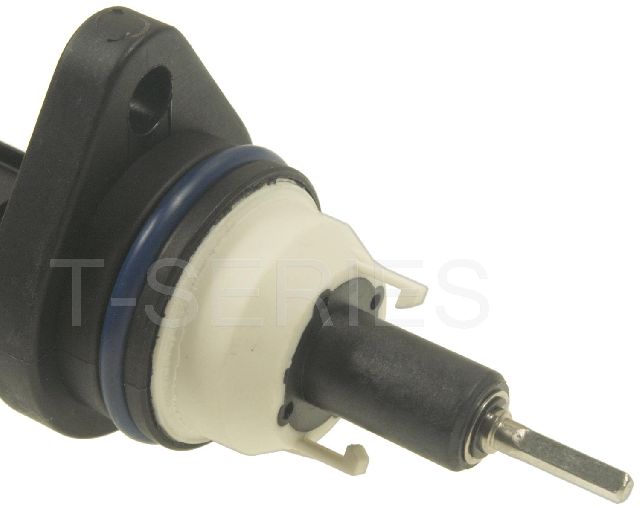
- Standard Ignition (SMP): Often considered a top-tier aftermarket brand, Standard makes parts that are engineered for performance and durability. They are a trusted choice for professional technicians.
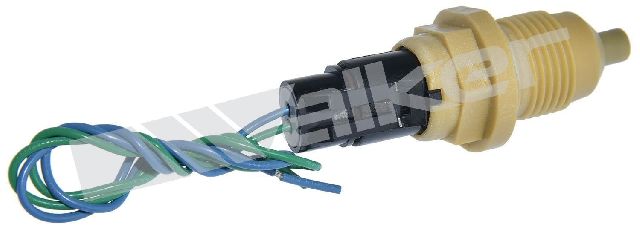
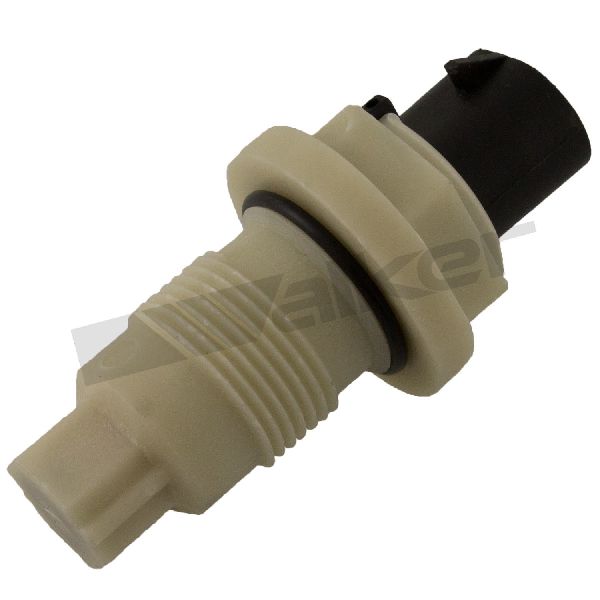
- Walker Products: Walker is another established brand that produces a wide range of engine management sensors. They focus on creating direct-fit OE replacement quality parts.
- True Tech / Global Parts: These brands typically offer a more budget-friendly option. While they can be a good value, it's important to ensure they come with a good warranty. For a critical sensor like the VSS, sticking with a more established brand may provide more peace of mind.
Pro Tip: Before installing a new sensor, inspect the wiring and connector for any corrosion or damage. Sometimes the problem is a bad connection, not the sensor itself. Applying a small amount of dielectric grease to the connector can help prevent future moisture issues.
Typical Replacement Costs
Replacing the VSS is a relatively inexpensive repair. The part itself is affordable, and the labor is minimal for a professional mechanic. Many DIYers can also handle this job at home.
| Item | Estimated Cost |
|---|---|
| New Aftermarket Part | $24 - $58 |
| Shop Labor | $50 - $100 |
| Total Estimated Cost | $74 - $158 |
Frequently Asked Questions (FAQ)
Where is the Vehicle Speed Sensor located on a 1994-1999 Chrysler Voyager?
The Vehicle Speed Sensor is located on the automatic transaxle (transmission). You can typically see it from the top of the engine bay, on the front of the transmission, often near where the driver's side axle shaft enters the gearbox. There may be two similar-looking sensors; these are the input and output speed sensors.
Can a bad VSS cause a Check Engine Light?
Yes, a failing Vehicle Speed Sensor can definitely cause the Check Engine Light to come on. When the computer detects a problem with the sensor's signal, it will store a Diagnostic Trouble Code (DTC). The most common code associated with a VSS failure is P0500.
What is the difference between an input and output speed sensor?
Your Voyager's transmission has both an input and an output speed sensor. The input sensor measures the speed of the transmission's input shaft, while the output sensor (the VSS) measures the speed of the output shaft, which corresponds to vehicle speed. Both are critical for proper transmission operation, and sometimes they are replaced as a pair.
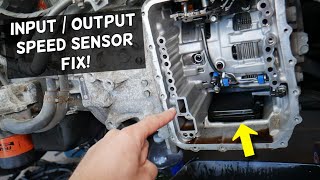
🎬 See the exact location of the input and output sensors.Is it hard to replace the VSS on my Voyager?
No, for most people with basic tools, this is a relatively easy job. The sensor is usually held in by a single bolt and has one electrical connector. Access is from the top of the engine bay. The job typically takes less than an hour.
🎬 Follow this step-by-step guide to replace your speed sensor.Helpful Videos


Technical Specifications
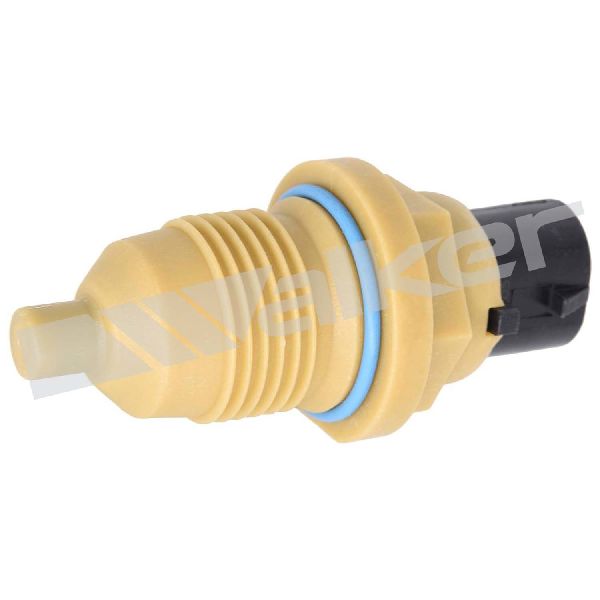
OEM Part Numbers: 4800879 4707386 04707839AA
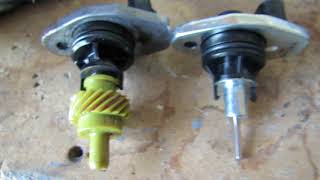
Typically a 2-pin, bolt-in sensor located on the transaxle. May include a plastic drive gear that should be inspected or transferred from the old sensor.
We Have This Part in Stock


The information in this article is provided for general reference and educational purposes only. Vehicle specifications, procedures, and part compatibility can vary by production date, trim level, and region. Always consult your vehicle's factory service manual and verify part numbers before purchasing or performing repairs. Safety-critical components such as airbags, seat belts, and braking systems should be installed by a qualified professional.
- Chrysler Voyager: