

1994-1999 Ford Ranger Engine Oil Pressure Switch: A Complete Guide
That oil pressure gauge on your dash isn't what it seems; here's what you need to know when it acts up.
- Your Ranger's oil gauge is a 'dummy' gauge; it reads 'normal' or 'zero' and is controlled by a simple switch.
- A gauge that drops to zero is most often a faulty switch, not a failed engine, especially if the engine sounds normal.
- The switch's location is different for the 2.3L, 3.0L, and 4.0L engines, so confirm which you have before starting.
- For maximum reliability, Motorcraft (OEM) is the recommended brand, with Standard Ignition being a solid aftermarket choice.
Understanding Your Ranger's Oil Gauge
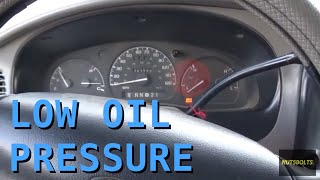
The most important thing for any 1994-1999 Ford Ranger owner to understand is that the factory oil pressure gauge is not a real gauge. It is a "dummy gauge" that only tells you if you have oil pressure or if you don't. As long as the pressure is above a minimum level, the needle will point to the middle of the normal range and stay there, regardless of engine speed or load. When the switch fails, it typically causes the gauge to drop to zero, which can be alarming but often does not indicate a real engine problem.
Symptoms of a Failing Oil Pressure Switch
A bad oil pressure switch can mimic the signs of serious engine trouble. Knowing the common symptoms can save you from unnecessary worry.
- Gauge Drops to Zero: The most common symptom is the oil pressure gauge suddenly falling to zero or the low end of the scale while driving.
- Erratic Gauge Behavior: The needle may flicker, or jump between normal and zero intermittently.
- Oil Warning Light: On models equipped with a light, it may flicker or stay illuminated.
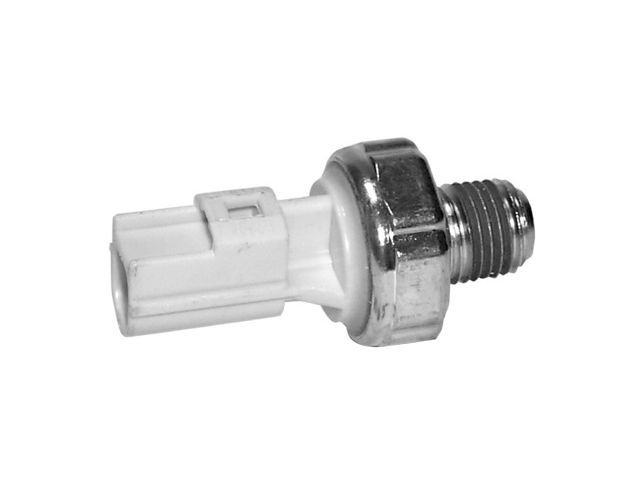
- Visible Oil Leak: The switch itself can fail, causing oil to leak from its plastic housing or the seal where it threads into the engine. If you find oil in the electrical connector, the switch has failed internally and must be replaced.
Is It a Bad Switch or Low Oil Pressure?
While a faulty switch is common, you should never ignore a low oil pressure reading. First, immediately check your oil level. If the oil level is correct, listen for any new engine noises like knocking or ticking. If the engine sounds normal, the switch is the most likely culprit. For complete peace of mind, you can verify the actual oil pressure with a mechanical gauge.
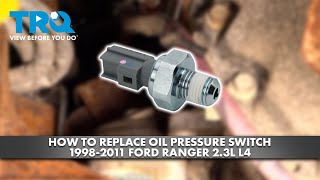
🎬 Watch: How to diagnose and replace a faulty oil pressure switch.Choosing the Right Aftermarket Switch
When it's time to replace your switch, you have several options. Quality is important, as a cheap switch can fail quickly, sending you right back to worrying about your engine.
- OEM (Motorcraft): This is the original part your truck came with. It is widely considered the most reliable option for fit and longevity. If you want a fit-and-forget repair, Motorcraft is the top choice.
- Premium Aftermarket (Standard Ignition): Brands like Standard Motor Products (SMP) have a long-standing reputation for producing quality aftermarket parts. They are a solid alternative to OEM, often providing similar performance at a lower cost. However, be aware that some reviews mention occasional premature failures.
- Standard/Budget Aftermarket (Global Parts, Rostra): These brands offer a cost-effective solution. They are functional replacements that meet basic requirements. While they can perform well, they may not have the same long-term durability or rigorous quality control as OEM or premium aftermarket brands.
Finding the Switch on Your Ranger
The location of the oil pressure switch varies depending on your engine. Always confirm your engine size before searching.
- 4.0L V6: Located on the driver's side of the engine block, near the front, and situated below the A/C compressor. 🎬 Watch this helpful hack for finding and repairing the 4.0L sensor.
- 3.0L V6: Found on the passenger side of the engine, toward the rear, behind the cylinder head. Access is often easiest by going through the passenger side wheel well.
- 2.3L I4: Typically on the driver's side near the back of the engine, often near the oil filter housing or on the rear of the cylinder head.
Pro Tip: The switch has a single wire connected to it. Looking for this single-wire connector can help you pinpoint its location in a crowded engine bay.
| Part/Service | Estimated Cost |
|---|---|
| New Aftermarket Switch | $7.35 - $37.90 |
| New OEM (Motorcraft) Switch | $25 - $50 |
| Shop Labor | $50 - $100 |
Frequently Asked Questions
Is my 1997 Ford Ranger's oil pressure gauge a real gauge?
No, it is not. Like all Rangers in this generation, it uses an oil pressure switch that simply moves the gauge to a fixed "normal" position as long as minimum oil pressure is detected.
My gauge dropped to zero but the engine sounds fine. What should I do?
First, verify your oil level is correct. If it is, and there are no unusual engine noises, the most probable cause is a failed oil pressure switch or a bad connection. Replacing the switch is a common and inexpensive fix.
Where is the oil pressure switch on my 1999 Ranger with the 3.0L V6?
It is located on the passenger side of the engine block, behind the cylinder head. You can usually get the best access by removing the passenger-side front wheel and pushing aside the rubber splash shield in the wheel well.
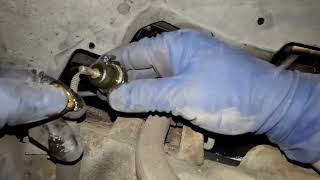
🎬 See this walkthrough for replacing the switch on a 3.0L V6.What tools do I need to replace the switch?
You will typically need a ratchet with extensions and a special oil pressure switch socket or a deep well socket. Socket sizes can vary by brand and year, but common sizes are 21mm, 13/16", or 1-1/16".
Are there any recalls for the oil pressure switch on these Rangers?
No, searches of the NHTSA database and other sources did not find any recalls or technical service bulletins (TSBs) specifically related to the engine oil pressure switch for the 1994-1999 Ford Ranger.
Helpful Videos

Technical Specifications
OEM Part Numbers: E4ZZ-9278-A SW2225
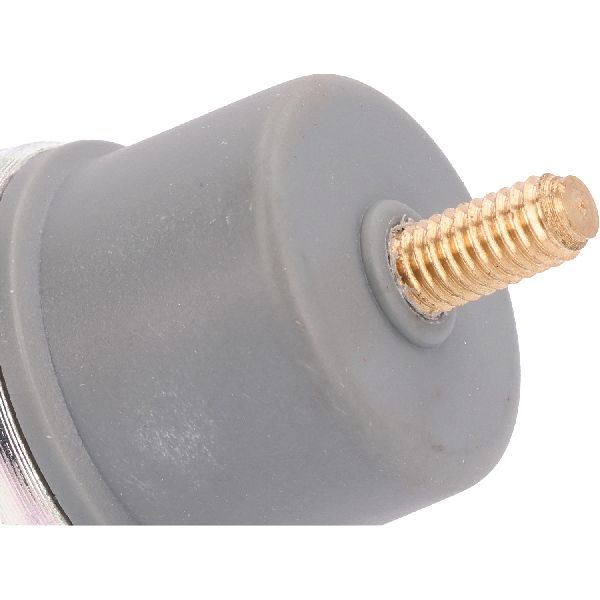
Single-pin electrical connector. Thread size is typically 1/4" NPT. Activation pressure is approximately 6-7 PSI.
We Have This Part in Stock


The information in this article is provided for general reference and educational purposes only. Vehicle specifications, procedures, and part compatibility can vary by production date, trim level, and region. Always consult your vehicle's factory service manual and verify part numbers before purchasing or performing repairs. Safety-critical components such as airbags, seat belts, and braking systems should be installed by a qualified professional.
- Ford Ranger: