

GMC C2500 Suburban Oxygen Sensor Guide (1994-1999)
Fix poor gas mileage and a rough idle on your GMC C2500 Suburban by understanding and replacing your oxygen sensors.
- For best results, choose an ACDelco, Denso, or NGK/NTK brand sensor; avoid Bosch for this specific truck.
- Verify if your truck is a 1994-95 (OBD-I) or 1996-99 (OBD-II) model to buy the correct number of sensors.
- A bad O2 sensor will decrease gas mileage and can eventually damage your catalytic converter, a much more expensive repair.
- Using a special O2 sensor socket and penetrating oil will make the replacement job much easier.
Is Your Suburban's Oxygen Sensor Failing?
A failing oxygen sensor can cause a range of problems, from annoying to potentially damaging. The most common sign is the Check Engine Light turning on. Other symptoms include noticeably worse gas mileage, a rough or irregular idle, and engine hesitation or misfires. You might also smell a harsh, rotten-egg or fuel-like odor from the exhaust. Ignoring these signs can lead to failed emissions tests and, more seriously, damage to your expensive catalytic converters over time.
Choosing the Right Aftermarket O2 Sensor
For the 1994-1999 GMC C2500 Suburban, not all aftermarket sensors are created equal. Owner experiences show a clear preference for certain brands that work well with the GMT400 platform's computer system.
Aftermarket Brand Quality Tiers
| Tier | Brands | Assessment |
|---|---|---|
| Top Tier / OEM Equivalent | ACDelco, Denso, NGK/NTK | These brands are highly recommended in owner forums. Denso and NGK/NTK are often the original manufacturers for GM's ACDelco parts. Choosing from this tier provides the highest chance of compatibility and long-term reliability. |
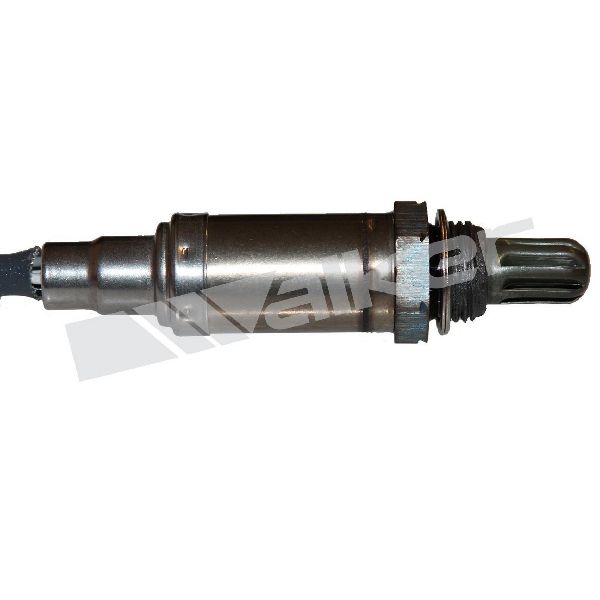
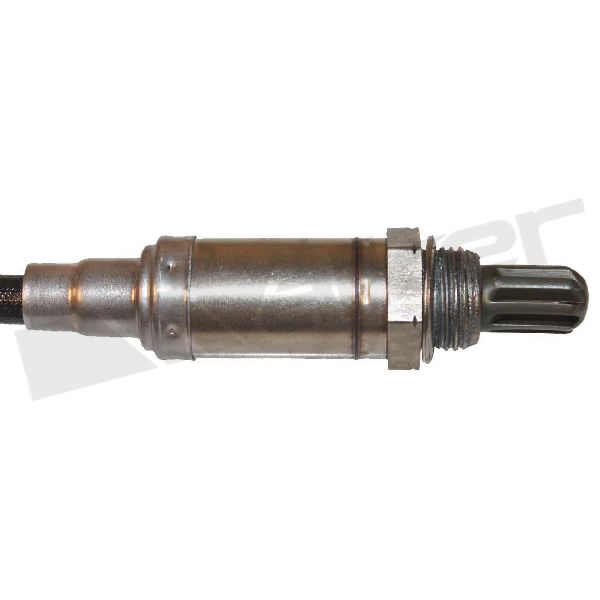
| Mid-Grade | Delphi, Walker Products | Delphi was once a GM division and generally makes quality parts, though its current quality is less certain after changing ownership. Walker is a known exhaust and emissions parts manufacturer. These are solid choices if top-tier brands aren't available. |
| Use With Caution | Bosch | While a major brand, many GMT400 truck owners report that Bosch oxygen sensors do not work well with these specific vehicles. Problems like premature failure and incorrect readings are commonly cited, so it's best to avoid them for this application. |
| Economy | DriveWire, Spectra | These brands offer a lower price point. They can work if the budget is tight, but may not offer the same durability or precise performance as the top-tier brands. |
Known Issues & Recalls
No specific oxygen sensor recalls or Technical Service Bulletins (TSBs) were found from the National Highway Traffic Safety Administration (NHTSA) for the 1994-1999 model years. However, a common issue reported by owners is that codes like P0131 and P0151 (O2 sensor lean) can sometimes be caused by a failing fuel pump or a clogged fuel filter, not the sensor itself. If you replace your sensors and the codes return, investigating the fuel delivery system is a logical next step.
Pro Tip: OBD-I vs. OBD-II
It's critical to know your truck's system. 1994-1995 models are typically OBD-I and have only one or two sensors located before the catalytic converter. 1996-1999 models are OBD-II and usually have four sensors: one upstream (before the cat) and one downstream (after the cat) on each side of the V8 engine. Always verify the number of sensors your specific vehicle requires before ordering.
Frequently Asked Questions
How many oxygen sensors does my 1994-1999 C2500 Suburban have?
It depends on the year. 1994-1995 models usually have one or two sensors total. 1996-1999 models with V8 engines typically have four: two upstream (Bank 1 Sensor 1, Bank 2 Sensor 1) and two downstream (Bank 1 Sensor 2, Bank 2 Sensor 2).
What is the difference between an upstream and a downstream O2 sensor?
Upstream sensors are located before the catalytic converter and are the most important for engine performance, as they directly help the computer adjust the air-fuel ratio. Downstream sensors are located after the catalytic converter and their main job is to monitor the converter's efficiency. A bad upstream sensor hurts performance, while a bad downstream sensor mainly just triggers a check engine light.
Can I clean my old oxygen sensor?
Cleaning an O2 sensor is not a recommended or reliable fix. Contaminants can penetrate the sensor's ceramic element, and cleaning the surface won't restore its proper function. Replacement is the only guaranteed solution.
Do I need a special tool for replacement?
Yes, an O2 sensor socket is highly recommended. It's a deep socket with a slot cut out for the wire. Sensors are often seized in the exhaust pipe, and this tool provides the best grip to remove them without damage. A standard 7/8" (22mm) wrench can sometimes work but has a high risk of rounding off the old sensor.
Technical Specifications
Number of sensors varies by year (1994-1995 vs 1996-1999). 1996-1999 models use both upstream and downstream sensors. All are heated-type sensors. The hex size for removal is typically 7/8 inch (22mm).
We Have This Part in Stock
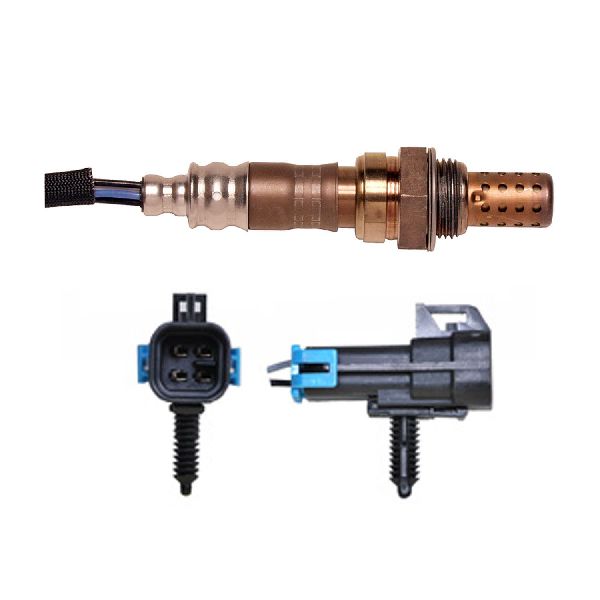
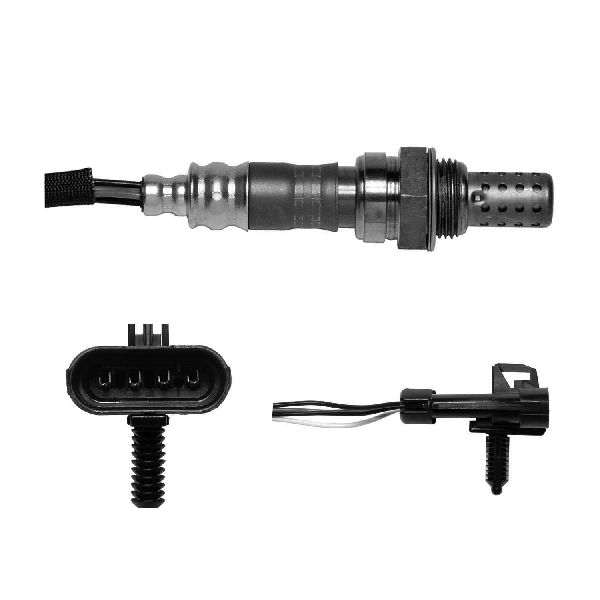
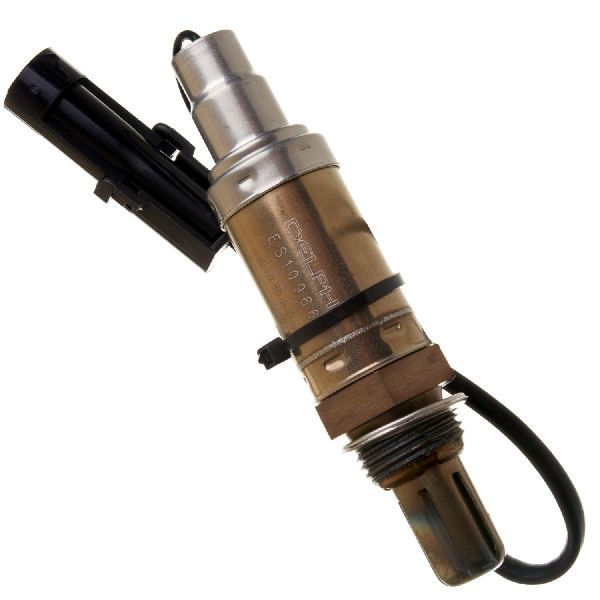
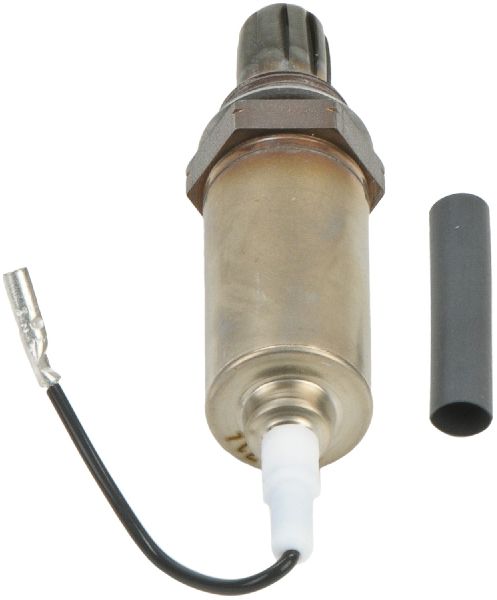

The information in this article is provided for general reference and educational purposes only. Vehicle specifications, procedures, and part compatibility can vary by production date, trim level, and region. Always consult your vehicle's factory service manual and verify part numbers before purchasing or performing repairs. Safety-critical components such as airbags, seat belts, and braking systems should be installed by a qualified professional.
- GMC C2500 Suburban: