

A/C Accumulator Guide for the 1994-1999 Mazda B3000
If your truck's A/C is weak, the accumulator is a likely suspect. Here's what you need to know before you buy a new one.
- The A/C accumulator is a critical filter/dryer; it's mandatory to replace it whenever the A/C system is opened for major repairs.
- Failure symptoms include poor cooling, visible oily leaks from the canister, and rattling noises.
- Motorcraft is the OEM brand and offers the best quality, while aftermarket brands like Four Seasons are a good budget option.
- DIY replacement is possible, but you MUST have the system professionally evacuated before starting and vacuumed/recharged after finishing.
Is Your B3000's A/C Not Keeping Up?
On a truck from the 1990s, your A/C system has seen a lot of use. The A/C accumulator is a service part, meaning it's designed to be replaced. Over time, the desiccant material inside becomes saturated with moisture and can no longer protect the system. Rust can also cause the canister itself to leak, which is a common problem on these trucks. If you're experiencing issues with your air conditioning, a failing accumulator is a common cause.
Symptoms of a Failing A/C Accumulator
Look out for these signs that your accumulator needs to be replaced:
- Poor Cooling Performance: If the accumulator is clogged, refrigerant can't flow properly. This results in weak or non-existent cooling from your vents.
- Visible Refrigerant Leaks: You might see a greasy, oily residue on the accumulator canister or on the ground beneath it. The canister can rust and develop pinhole leaks.
- Rattling Noises: If you hear rattling from the engine bay when the A/C is on, it could mean the internal parts of the accumulator have broken loose.
- Moldy Smell: When the desiccant fails, moisture can build up and allow mold to grow in the system, causing a musty odor from the vents.
System Evacuation is Not Optional
Before you or a mechanic can replace the accumulator, the refrigerant in the system must be professionally and legally recovered with a special machine. It is illegal and harmful to the environment to release refrigerant into the atmosphere. After the new part is installed, the system must be put into a deep vacuum to boil off any remaining moisture before being recharged with the correct amount of refrigerant and oil.
Choosing the Right Aftermarket Part
Since the Mazda B3000 is a rebadged Ford Ranger, parts are widely available. When choosing a new accumulator, you have a few options.
Brand Tiers
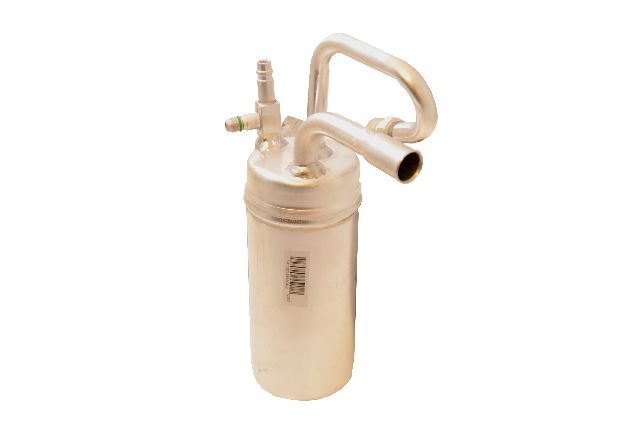
- OEM (Motorcraft): Motorcraft is Ford's official parts brand and was the original equipment on your truck. These parts offer the best guarantee of fit, finish, and longevity. Forum users consistently recommend Motorcraft for A/C components if you plan on keeping the truck for a long time.
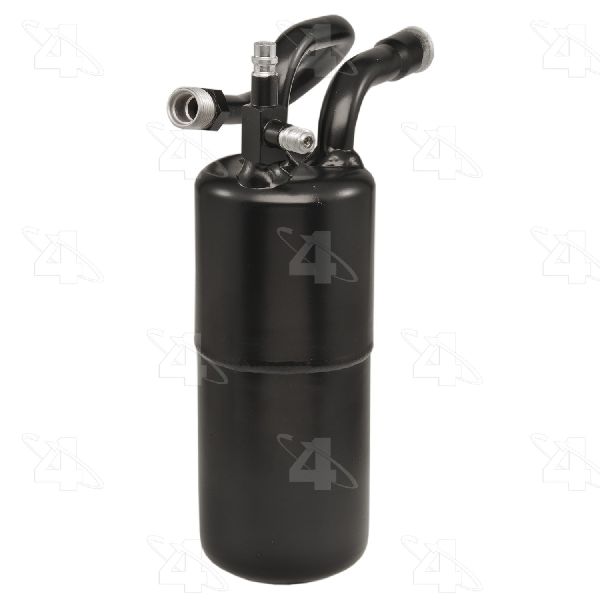
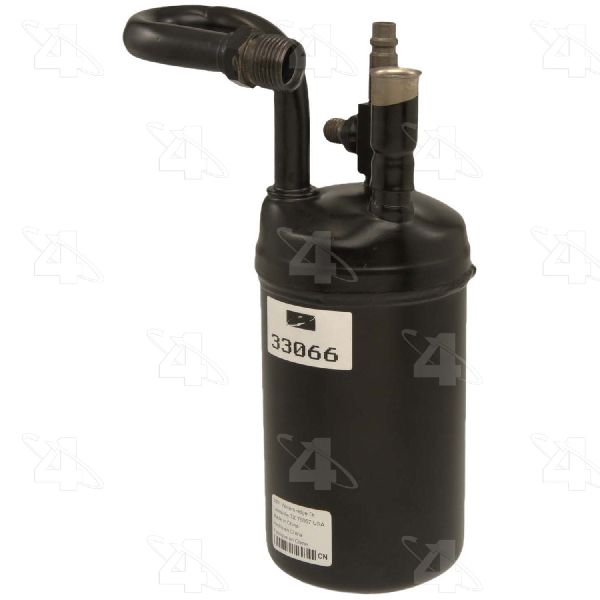
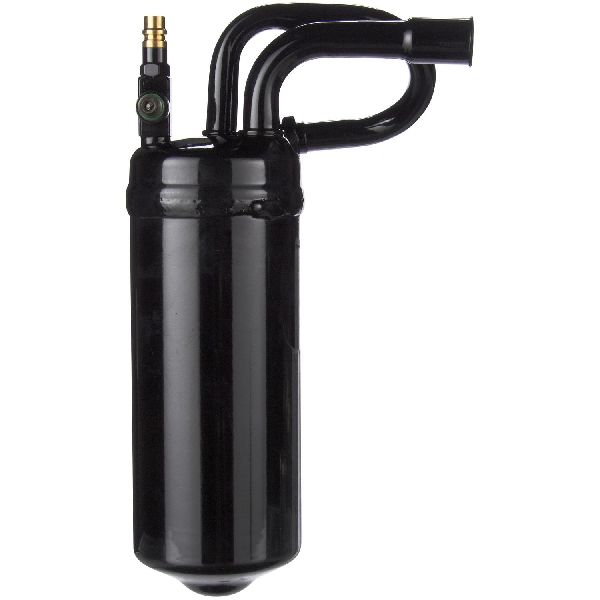
- Premium Aftermarket (Four Seasons, Spectra): Brands like Four Seasons are well-known in the aftermarket. They offer a good balance of price and quality. While some users have had success, others report they may not last as long as the OEM part. They are a solid choice for a budget-conscious repair.
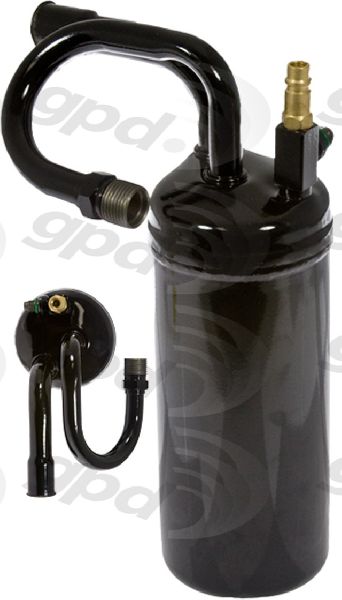
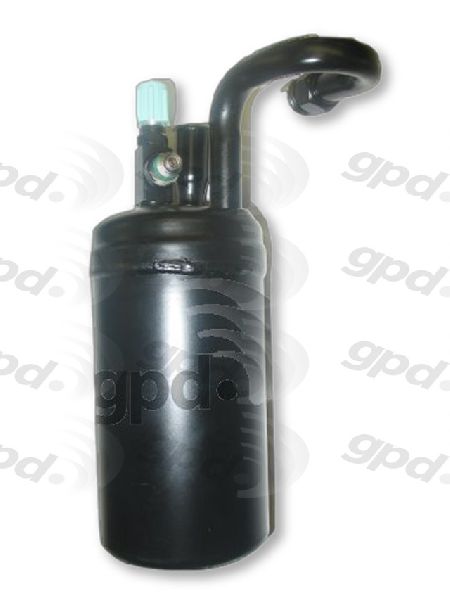
- Standard Aftermarket (Global Parts): These are typically the most affordable options. While they will function correctly, their long-term durability may be less than OEM or premium brands. One user reported a negative experience with a GPD kit, citing leaks.
Always Replace the Orifice Tube
When you replace the accumulator, you should always replace the A/C orifice tube as well. It's a small, inexpensive filter that traps debris before it reaches the compressor. Replacing it is cheap insurance for your new A/C components.
Estimated Costs for A/C Accumulator Replacement
| Part/Service | Estimated Cost |
|---|---|
| New Aftermarket Accumulator | $40 - $90 |
| New OEM (Motorcraft) Accumulator | $90 - $150 |
| Shop Labor (Evacuate, Replace Part, Vacuum, Recharge) | $150 - $300 |
Frequently Asked Questions
Can I just recharge my A/C system if it's not cold?
If your system is low on refrigerant, it means there is a leak. Simply adding more refrigerant is a temporary fix at best. The leak allows moisture to enter the system, which will saturate the accumulator and can lead to compressor failure. The proper fix is to find and repair the leak, replace the accumulator, and then correctly charge the system.
Do I need special tools to replace the accumulator?
Yes. The lines connecting to the accumulator use a special spring-lock fitting. You will need a specific A/C and Fuel Line Disconnect Tool to release them. These tools are inexpensive and available at any auto parts store.
My new accumulator came sealed in a bag. Why?
The desiccant inside the accumulator starts absorbing moisture from the air the moment it is unsealed. To ensure it works correctly, manufacturers seal the part. Do not open the new accumulator's packaging until you are ready to install it immediately.
Do I need to add oil?
Yes. When you remove the old accumulator, some A/C compressor oil will come out with it. You should measure the oil from the old part and add the same amount of new, correct-spec PAG oil to the new accumulator before installation. If the old part is empty due to a leak, you must follow the vehicle's service manual for the correct amount to add.
Technical Specifications
OEM Part Numbers: F57Z-19C836-A F5TZ-19C836-A
This is an accumulator for a system that uses an orifice tube. It contains XH-7 or XH-9 desiccant and is compatible with R-134a refrigerant and PAG 46 compressor oil. The 1994 model year was a transition year, so confirm your vehicle uses R-134a (most do).
We Have This Part in Stock

The information in this article is provided for general reference and educational purposes only. Vehicle specifications, procedures, and part compatibility can vary by production date, trim level, and region. Always consult your vehicle's factory service manual and verify part numbers before purchasing or performing repairs. Safety-critical components such as airbags, seat belts, and braking systems should be installed by a qualified professional.
- Mazda B3000: