

Engine Coolant Thermostat Guide for 1994-2000 BMW M3 (E36)
Keep your S50 or S52 engine's temperature in check by understanding thermostat failure and choosing the right replacement.
- A stuck-closed thermostat will cause rapid overheating; pull over immediately.
- The original plastic thermostat housing is a common failure point; upgrade to an aluminum housing.
- Stick to OEM or OEM-supplier brands like Mahle/Behr or Wahler for reliability.
- For street use, always choose the stock 88°C temperature rating.
Understanding Thermostat Failure in the E36 M3
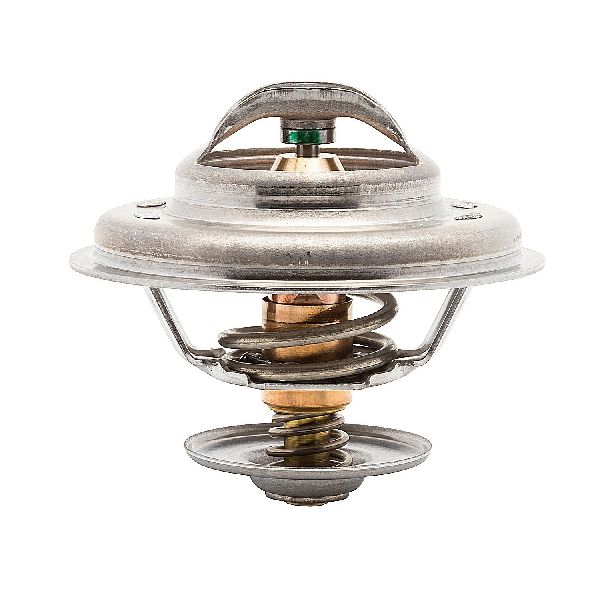
The thermostat in the 1994-2000 BMW M3 is a common maintenance item. It can fail in two ways: stuck open or stuck closed. 🎬 Watch this video to see how a BMW thermostat actually functions. A thermostat that is stuck open will prevent the engine from reaching its optimal temperature, leading to poor performance, increased fuel consumption, and lack of cabin heat. A thermostat that fails in the closed position is far more dangerous; it will prevent coolant from reaching the radiator, causing the engine to overheat quickly. This can lead to catastrophic damage, including a warped cylinder head or complete engine failure.
A Critical Weak Point: The Thermostat Housing
The original thermostat housing on the E36 M3 is made of plastic. Over years of heat cycles, this plastic becomes brittle and is a notorious failure point. It can crack or develop leaks without warning, leading to rapid coolant loss and overheating. It is highly recommended to replace the plastic housing with an aftermarket aluminum version during any thermostat service, even if the original isn't leaking yet. This is a permanent solution to a well-known problem.
Choosing the Right Aftermarket Thermostat
While many aftermarket parts offer a cost-effective alternative to OEM, the thermostat is a critical component where quality should not be compromised. For the E36 M3, the community and expert consensus strongly favors using OEM or OEM-supplier brands.
Brand Tiers for E36 M3 Thermostats
- Top Tier (Highly Recommended): These are often the original equipment manufacturers for BMW. Brands like Mahle/Behr and Wahler are trusted to meet the original design and performance specifications. Choosing one of these ensures reliability and proper function. Many enthusiasts will only use these or a genuine BMW part.
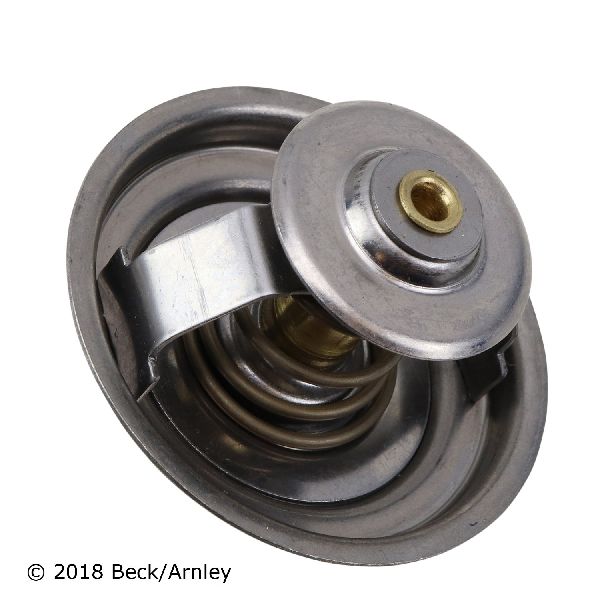
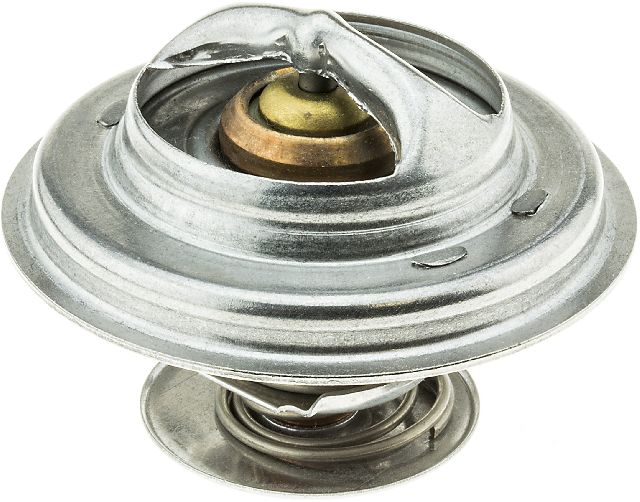
- Mid Tier (Use with Caution): Brands like Beck Arnley, Gates, and Calorstat fall into this category. Beck Arnley often re-packages OEM parts, but it's not a guarantee. While these brands are well-known, forum discussions reveal mixed experiences, with some users reporting premature failures compared to OEM-spec parts.
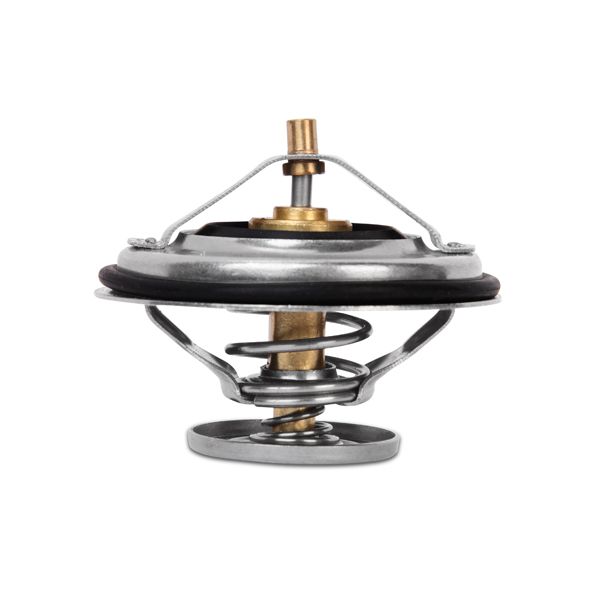
- Performance (Niche Use): Brands like Mishimoto offer thermostats with lower opening temperatures (e.g., 71°C or 68°C instead of the stock 88°C). These are intended for track-focused cars or vehicles in extremely hot climates to increase the cooling system's headroom. For a daily driven M3, a lower-temperature thermostat can prevent the engine from reaching its ideal operating temperature, negatively affecting efficiency and wear. Stick with the OEM temperature unless you have a specific need.
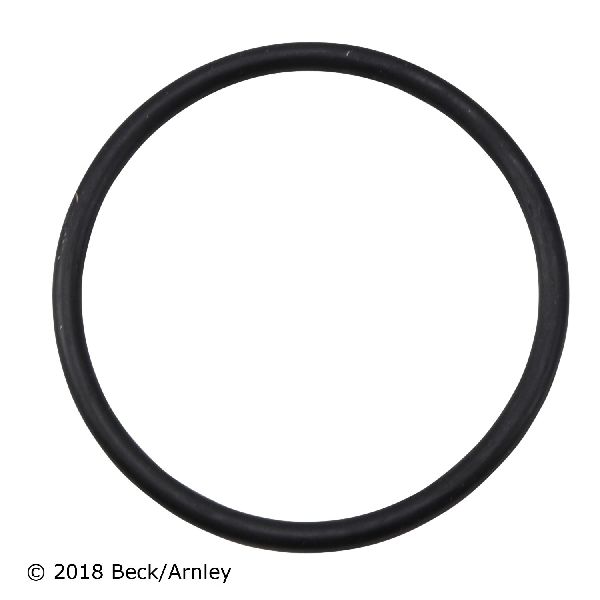
Pro Tip: When purchasing your new thermostat, always buy a new set of O-rings for the thermostat and the housing. Also, purchase a new aluminum thermostat housing. This small additional investment prevents future leaks and headaches.
Cost of Replacing an E36 M3 Thermostat
The cost can vary depending on the parts you choose and whether you perform the labor yourself. Below is a general cost breakdown for the North American market.
| Item | Estimated Cost |
|---|---|
| New OEM Thermostat | $40 - $70 |
| New Aftermarket Thermostat (OEM Supplier) | $25 - $50 |
| New Aftermarket Thermostat (Standard) | $15 - $30 |
| Aluminum Thermostat Housing | $15 - $40 |
| Shop Labor | $150 - $300 |
Frequently Asked Questions
What temperature thermostat should I use for my M3?
For most street-driven cars, the factory 88°C (190°F) thermostat is the correct choice. It allows the engine to operate at its designed temperature for optimal efficiency and longevity. Lower temperature thermostats are generally only for dedicated track cars.
Is it difficult to replace the thermostat myself?
For a DIY mechanic with some experience, the job is manageable. It is considered fiddly and requires patience due to tight spaces. You will need to drain the coolant and remove the fan shroud and fan clutch to gain access. The bolts for the housing can be long and tricky to get to. The entire job can take 1-2 hours.
🎬 Follow this step-by-step guide to replace your thermostat correctly.Are there any recalls for the E36 M3 thermostat?
No, there are no specific recalls or technical service bulletins (TSBs) from BMW or the NHTSA related to the engine coolant thermostat for the 1994-2000 BMW M3. The known issues are primarily related to the plastic housing aging and failing.
Should I replace my water pump at the same time?
While you are working on the cooling system, it is a good time to inspect the water pump. Check for any play in the pulley shaft or signs of weeping from the bearing. The E36 M3 water pump, especially those with plastic impellers, is another known weak point in the cooling system. If your water pump is old or has a plastic impeller, replacing it with a new unit with a metal impeller is a wise preventative measure.
🎬 See how to overhaul your entire cooling system for maximum reliability.Helpful Videos
Technical Specifications
OEM Part Numbers: 11537511083 11531721002 11531713040
Standard Opening Temperature: 88°C (190°F)
We Have This Part in Stock


The information in this article is provided for general reference and educational purposes only. Vehicle specifications, procedures, and part compatibility can vary by production date, trim level, and region. Always consult your vehicle's factory service manual and verify part numbers before purchasing or performing repairs. Safety-critical components such as airbags, seat belts, and braking systems should be installed by a qualified professional.
- BMW M3: