

A Guide to Radiator Coolant Hoses for the 1994-2000 Cadillac DeVille
Keep your DeVille's Northstar engine from overheating by understanding its essential radiator hoses.
- A failing hose poses a critical risk of overheating and severe damage to the Northstar engine; do not drive if a leak is present.
- Always inspect and clean the small coolant purge line running to the reservoir, as it's a common source of overheating issues on these models.
- Replace hoses in pairs (upper and lower) and use new clamps for a reliable repair.
- Refill the system only with DEX-COOL (orange/pink) coolant and follow the proper air-bleeding procedure to prevent air pockets.
Signs of a Failing Radiator Hose
On a Cadillac DeVille that's two to three decades old, radiator hoses don't last forever. The constant exposure to heat, pressure, and vibration causes the rubber to break down. Ignoring the warning signs can lead to a sudden failure, leaving you stranded and risking catastrophic engine damage. Look for these common symptoms:
- Coolant Leaks: This is the most obvious sign. You may find puddles of orange or pink fluid (DEX-COOL) under the front of your car. Leaks often start as small drips from the ends of the hose where they connect to the radiator or engine.
- Engine Overheating: If a hose is leaking, collapsed, or clogged, it cannot circulate coolant effectively. This will cause the temperature gauge to climb into the red, and you may see a warning message like "ENGINE HOT - IDLE ENGINE" on your driver information center.
- Visible Hose Damage: Pop the hood and inspect the hoses. Look for cracks, splits, or fraying. A hose that feels spongy, soft, or excessively hard and brittle needs to be replaced. A swollen or bulging hose is a sign of internal failure and could burst at any moment.
- Low Coolant Light: A frequent low coolant warning on your dashboard is a strong indicator of a leak somewhere in the system, with aging hoses being a primary suspect.
Vehicle-Specific Known Issue: Clogged Purge Line
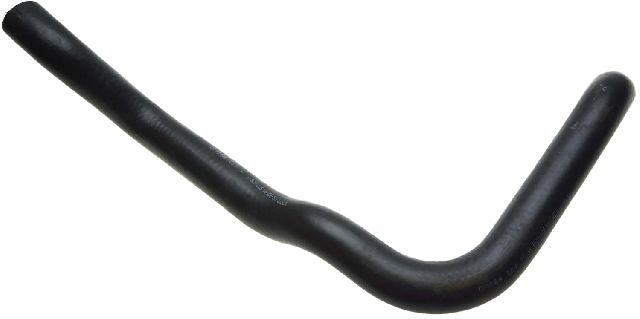
Many 1994-2000 DeVille owners experience overheating even after replacing major components. A very common culprit is a small-diameter coolant purge line that runs from the engine crossover to the coolant reservoir (surge tank). This line and its hollow bolt fitting can become clogged with sediment over time, preventing air from properly bleeding out of the system. If you are replacing your main radiator hoses, it is critical to check and clear this purge line to ensure the cooling system functions correctly.
Choosing the Right Aftermarket Hose
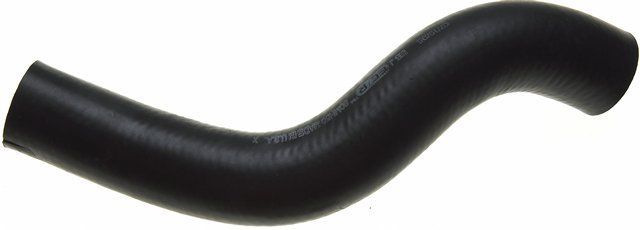
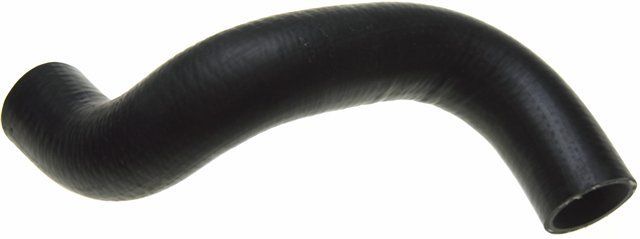
With your DeVille's age, new OEM (Original Equipment Manufacturer) hoses are often difficult to find and may not be necessary. High-quality aftermarket brands provide excellent performance and fit. For the Northstar engine, which is sensitive to overheating, investing in a quality hose is a smart choice. Here’s a breakdown of available brands:
- Premium Aftermarket (Gates, Continental): Brands like Gates and Continental are widely regarded by mechanics and DIYers for their quality, durability, and precise fit. Gates, in particular, is often praised for its material quality and proper molding, which ensures it doesn't kink or rub against other components. These are an excellent choice for reliability and peace of mind.
- Standard Aftermarket (Dayco): Dayco is a well-known brand that offers a reliable and affordable replacement. While many users have had good experiences, some have occasionally reported issues with fitment compared to OEM or Gates hoses. They are a perfectly acceptable option, but you should double-check the shape and bends against your old hose before installation.
Pro Tip: Replace Hoses and Clamps Together
It is highly recommended to replace both the upper and lower radiator hoses at the same time. They have been exposed to the same conditions for the same amount of time, so if one has failed, the other is likely not far behind. Also, always use new hose clamps. Old spring clamps can lose their tension, and worm-gear clamps can be overtightened, damaging the new hose. New spring-style clamps are often the best choice for applying even pressure.
Estimated Replacement Costs
The cost to replace radiator hoses on a 1994-2000 DeVille is reasonable, especially if you do the work yourself. Prices are for both upper and lower hoses.
| Part Type | Estimated Cost |
|---|---|
| New Aftermarket Hoses (Set) | $22 - $44 |
| Shop Labor | $100 - $200 |
| Total Professional Replacement | $122 - $244 |
Frequently Asked Questions (FAQ)
Should I replace both the upper and lower radiator hoses at the same time?
Yes. Both hoses have endured the same age and heat cycles. If one has failed, the other is likely weak and could fail soon after, forcing you to do the job twice. It's preventative maintenance that saves time and money.
What type of coolant should I use in my Cadillac DeVille?
You must use an OAT (Organic Acid Technology) coolant, specifically DEX-COOL. It is typically orange or pink. Using traditional green antifreeze can cause corrosion and damage to the aluminum Northstar engine and cooling system components.
Why is my car still overheating after replacing the hoses?
The most common reason is trapped air in the cooling system. The Northstar engine requires a specific air-bleeding procedure to work correctly. Other causes could be a clogged purge line, a faulty thermostat, a failing water pump, or inoperative cooling fans.
Is replacing the radiator hoses a difficult DIY job?
For a mechanically inclined person, it is a relatively straightforward job. The main challenges are accessing the lower hose clamp and properly draining the coolant without making a mess. The most critical step is correctly refilling and bleeding the air from the system afterward.
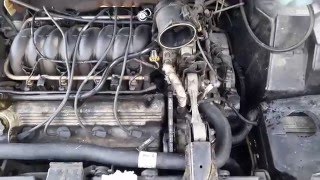
Helpful Videos
Technical Specifications
Required Coolant Type: OAT DEX-COOL (Orange/Pink)
We Have This Part in Stock
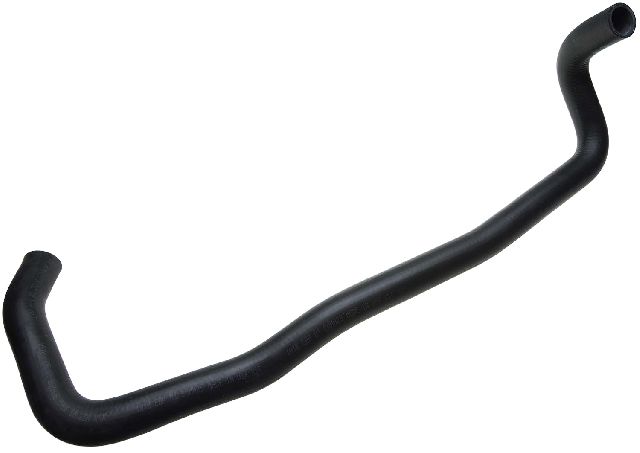
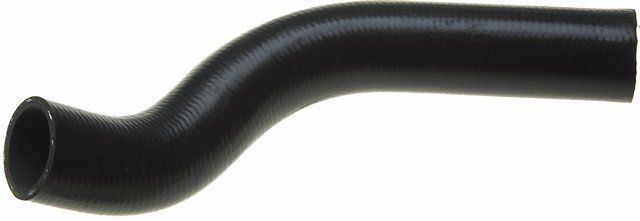
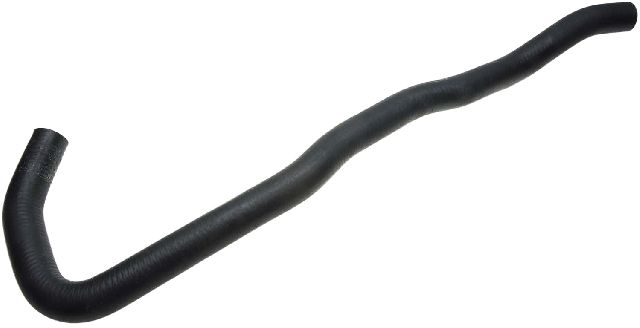

The information in this article is provided for general reference and educational purposes only. Vehicle specifications, procedures, and part compatibility can vary by production date, trim level, and region. Always consult your vehicle's factory service manual and verify part numbers before purchasing or performing repairs. Safety-critical components such as airbags, seat belts, and braking systems should be installed by a qualified professional.
- Cadillac DeVille: