

A Guide to Replacing the Radiator in Your 1994-2000 Chevrolet C2500
Keep your C2500's engine cool and running strong with the right new aftermarket radiator.
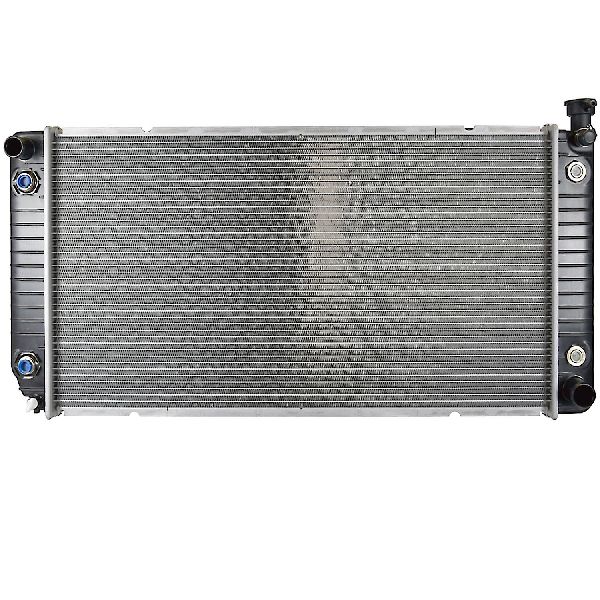
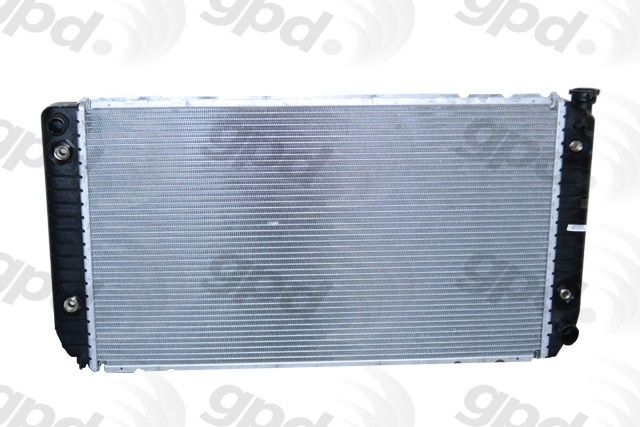
- The most common failure is cracking of the original plastic side tanks; inspect this area closely for leaks.
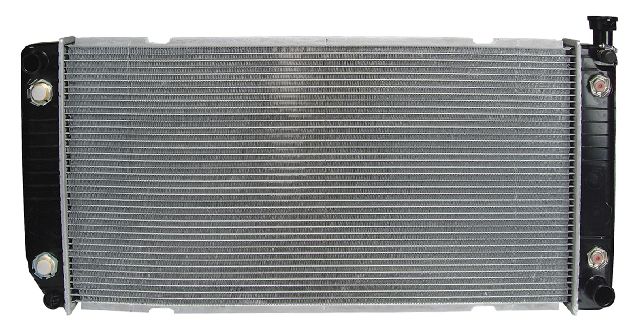
- Verify your core width (usually 34 inches) and cooler line connections before ordering a replacement.
- For heavy use or maximum durability, an all-aluminum radiator from a brand like Mishimoto or Koyorad is a worthwhile upgrade.
- Always replace the radiator cap, thermostat, and hoses at the same time for a complete and reliable repair.
Signs of a Failing Radiator
On a 1994-2000 Chevrolet C2500, the original radiators often fail due to age. The most common problem is the plastic side tanks becoming brittle and cracking from years of heating and cooling. This leads to coolant leaks. Here are the top signs your radiator needs attention:
- Engine Overheating: The temperature gauge on your dash climbing into the red is a serious warning.
- Visible Coolant Leaks: Finding puddles of green, yellow, or pink fluid under the front of your truck is a clear sign of a leak. The leak often occurs where the plastic tanks are crimped to the aluminum core.
- Low or Dirty Coolant: If your coolant is rusty, brown, or sludgy, it means there's corrosion inside the cooling system. This can clog the radiator and cause it to fail.
- Sweet Smell: Leaking coolant has a distinct sweet smell. If you notice this around your truck, it's time to check for leaks.
Warning: Check Coolant Safely
Never open the radiator cap when the engine is hot. The system is under high pressure and can spray scalding hot coolant, causing serious burns. Always wait for the engine to cool down completely before checking coolant levels.
Choosing the Right Aftermarket Radiator
For a vehicle of this age, a quality aftermarket radiator often provides the best value. The original OEM radiators featured plastic tanks that are known to fail over time. Many aftermarket options offer upgraded designs, such as all-aluminum construction, which eliminates the plastic tank failure point.
Brand Quality Tiers
Not all aftermarket brands are created equal. Here’s a breakdown of what to expect from the brands available for your C2500:
- Performance & All-Aluminum (Highest Quality): Brands like Mishimoto, Koyorad, and Frostbite specialize in high-performance, all-aluminum radiators. These are fully welded and eliminate the plastic end tanks that are a common failure point. They offer superior cooling, especially for trucks that tow or have performance upgrades, and come with a higher price tag. Forum users often praise Koyorad for its build quality and perfect fitment.
- Standard OE-Style Replacement (Good Quality): Brands like Spectra, Denso, and ACDelco are well-regarded for providing reliable, direct-fit replacements that perform similarly to the original part. They typically use an aluminum core with plastic tanks, just like the original. While some users have had mixed experiences with Spectra's longevity, many find them to be a good balance of price and quality. Denso is also a trusted OEM supplier with a reputation for quality.
- Budget-Friendly (Varies): Brands like APDI, Global Parts, Onix, and One Stop Solutions offer the most affordable options. Quality can be inconsistent with budget parts. While they can be a good choice for a quick, inexpensive repair, it's important to check warranties and reviews before purchasing. For a critical part like a radiator, spending a little more on a mid-tier brand can provide more peace of mind.
Pro Tip: Upgrade to All-Aluminum
If you use your C2500 for towing, live in a hot climate, or simply want a more durable, long-lasting solution, consider upgrading to an all-aluminum radiator from a brand like Mishimoto or Koyorad. The elimination of the plastic tanks is a significant reliability improvement.
Common Ordering Mistakes
The GMT400 platform had several radiator options. Pay close attention to these details when ordering:
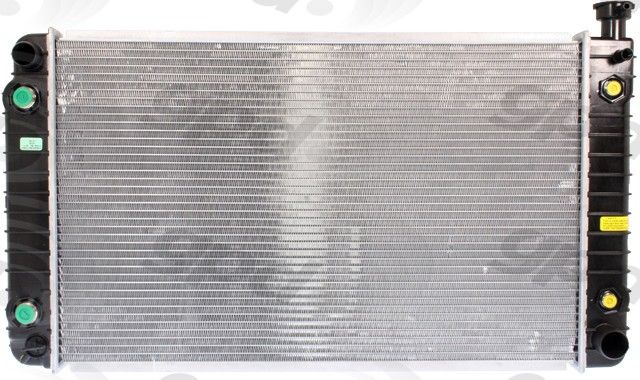
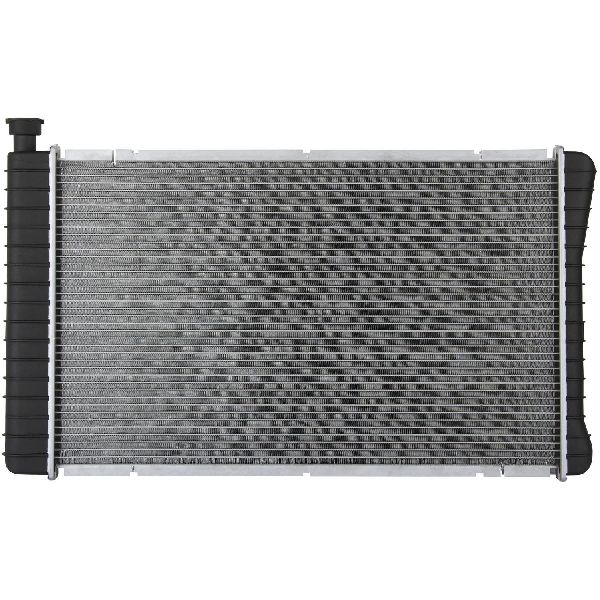
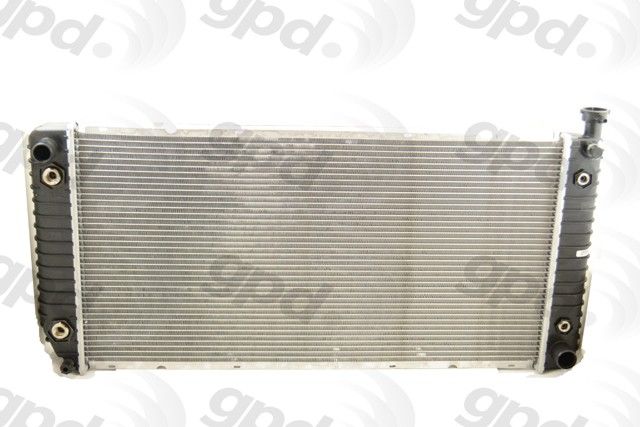
- Core Width: Most C2500 trucks use a 34-inch wide radiator core. However, some models may have used a 28-inch core. Measure your existing radiator before ordering.
- Cooler Lines: Your radiator may have connections for an engine oil cooler and/or a transmission fluid cooler. These are small fittings on the side tanks. Ensure the new radiator has the correct provisions for your truck's setup (automatic vs. manual transmission, and any optional coolers).
- Filler Neck: Some heavy-duty models had a taller radiator with a different filler neck position. Confirm the design matches your original part.
Installation Tips
Replacing the radiator on a 1994-2000 C2500 is a manageable DIY job for someone with basic mechanical skills.
- Replace Wear Items: It is highly recommended to replace the radiator cap, thermostat, and radiator hoses at the same time. These parts are inexpensive and wear out over time.
- Use the Right Coolant: These trucks originally used DEX-COOL coolant. Always use the recommended type and mix it 50/50 with distilled water.
- Flush the System: Before installing the new radiator, it's a good idea to flush the cooling system to remove any old, contaminated coolant and debris.
- Check Your O-Rings: If your radiator has an engine oil cooler, replace the small O-rings on the cooler line fittings to prevent leaks.
Frequently Asked Questions (FAQ)
Do I need to replace my radiator cap with the new radiator?
Yes, absolutely. A radiator cap is a pressure-relief valve that is critical for the cooling system to work correctly. They are inexpensive and should always be replaced with a new radiator.
Is an all-aluminum radiator better than a plastic and aluminum one?
For durability, yes. The most common failure point on the stock radiator is the plastic tanks cracking. An all-aluminum radiator is fully welded, eliminating this weak point, making it a more robust, long-term solution, especially for heavy-duty use.
What kind of coolant should I use in my 1994-2000 C2500?
These trucks typically require DEX-COOL (orange) coolant. Always check your owner's manual to be certain. Use a 50/50 mixture with distilled water for best performance and corrosion protection.
How do I know if my radiator has connections for an oil or transmission cooler?
Look at the side tanks of your current radiator. You will see threaded fittings where metal lines connect if you have coolers integrated into the radiator. Trucks with automatic transmissions will always have a transmission cooler. An engine oil cooler is a less common option but is often found on heavy-duty models.
Technical Specifications
OEM Part Numbers: 52481442 15982188 (Cap)
Core Material: Aluminum; Tank Material: Plastic (OEM), Aluminum (Performance); Core Width: Typically 34 inches, some 28 inches; Coolant Type: DEX-COOL
We Have This Part in Stock

The information in this article is provided for general reference and educational purposes only. Vehicle specifications, procedures, and part compatibility can vary by production date, trim level, and region. Always consult your vehicle's factory service manual and verify part numbers before purchasing or performing repairs. Safety-critical components such as airbags, seat belts, and braking systems should be installed by a qualified professional.
- Chevrolet C2500: