

A C3500 Owner's Guide to Radiator Replacement for 1994-2000 Chevrolet Trucks
Keep your workhorse C3500 running cool by choosing the right replacement radiator for the job.
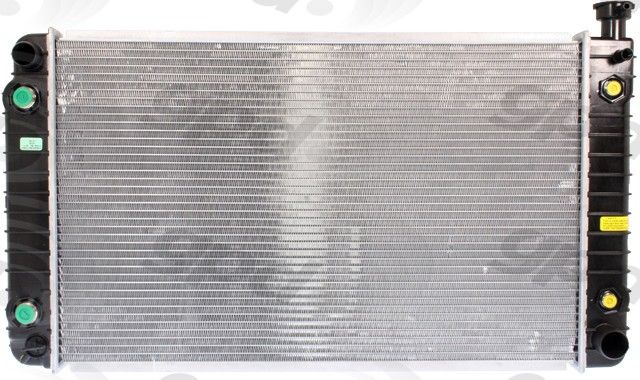
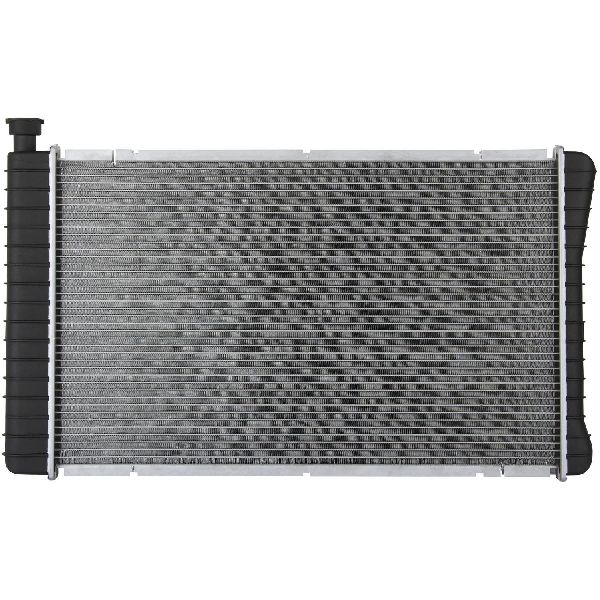
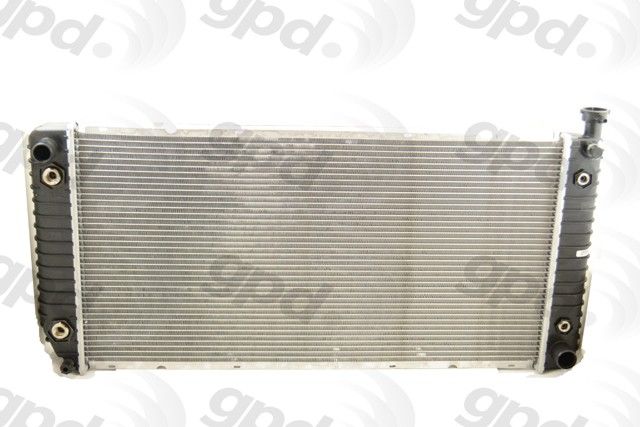
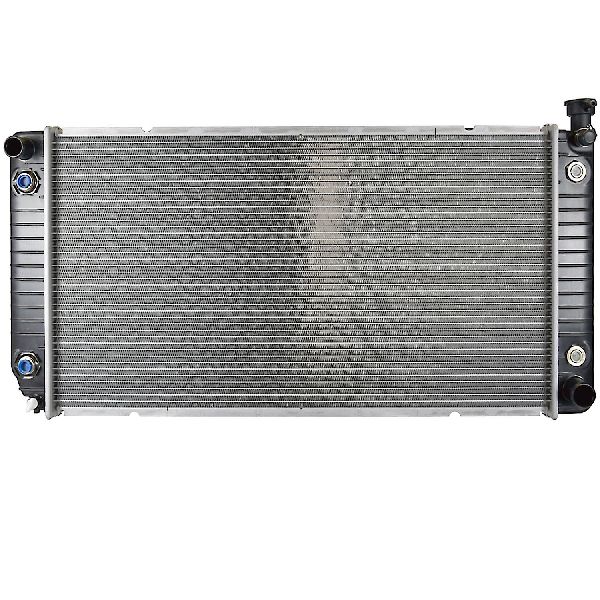
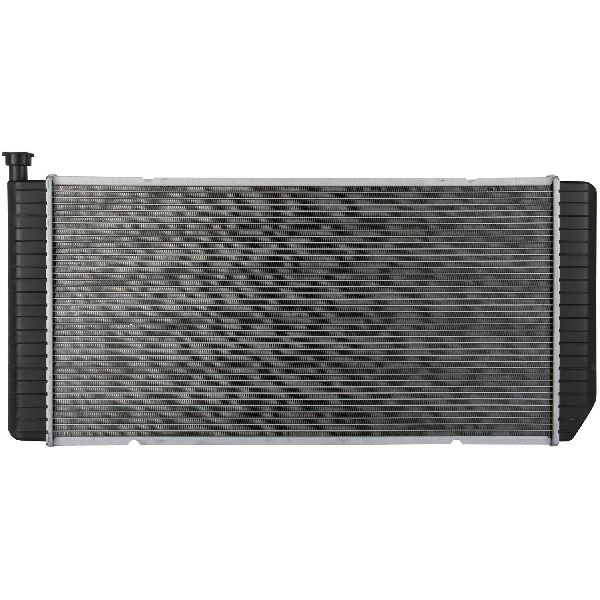
- The original radiator with plastic tanks is a common failure point; leaks from cracked plastic are frequent.
- For heavy towing or hauling, consider upgrading to an all-aluminum radiator for better durability.
- A quality OEM-style replacement from a brand like Spectra or Denso is a reliable and cost-effective choice for most users.
- Always replace your radiator cap, hoses, and thermostat at the same time as the radiator for peace of mind.
Signs of a Failing Radiator
A bad radiator on your C3500 will give you clear warning signs. Ignoring them can lead to major engine trouble. Look out for these symptoms:
- Engine Overheating: The most obvious sign. If your temperature gauge is climbing into the red, your cooling system is not working correctly.
- Coolant Leaks: Finding bright green or orange puddles under the front of your truck is a sure sign of a leak. The original radiators often develop leaks from the plastic side tanks where they are crimped to the aluminum core.
- Low Coolant Level: If you constantly have to add coolant to the overflow tank, it's leaking from somewhere. A cracked radiator is a common cause.
- Sweet Smell: Hot coolant has a distinct sweet smell. If you notice this smell around your truck after it's been running, you likely have a leak.
- Visible Damage or Corrosion: Look at the radiator itself. You might see rusty-colored stains, bent fins blocking airflow, or white crusty deposits where coolant has leaked and dried.
Critical Warning
Do not drive your truck if it is overheating. Pull over immediately and let the engine cool down. Driving with an overheating engine can cause catastrophic damage, such as warped cylinder heads or a blown head gasket, leading to repairs that cost thousands of dollars.
Choosing the Right Aftermarket Radiator
Since GM no longer makes new original radiators for this truck, you'll be choosing from aftermarket brands. They fall into a few quality and price tiers. For a C3500 that works hard, choosing a quality replacement is important.
Tier 1: Performance / Heavy-Duty (Upgrade)
These radiators are an upgrade over the original design. They are typically made entirely of aluminum, with welded tanks instead of plastic ones. This eliminates the common failure point of the plastic tanks cracking or leaking at the seams. They often have better cooling capacity, which is great for trucks that tow heavy loads or operate in hot climates.
- Brands: Mishimoto, Frostbite, Koyorad
- Pros: Superior durability, improved cooling potential, resistant to cracking.
- Cons: Highest price point, some owner reviews mention occasional quality control issues or leaks even with premium brands.
Tier 2: OEM-Quality Replacement
These brands are the go-to for most owners. They build radiators that are designed to be a direct replacement for the original, meeting or exceeding its performance. They typically use the same plastic tank and aluminum core design as the factory part, offering a balance of reliability and cost.
- Brands: Spectra, Denso, ACDelco (Aftermarket line)
- Pros: Reliable and proven designs, excellent fit, great value for the price. Spectra is a very popular choice for these trucks.
- Cons: Uses plastic tanks which can still be a failure point after many years of service.
Tier 3: Economy Replacement
These are budget-friendly options designed to get your truck back on the road without spending a lot. They are direct-fit replacements but may not have the same long-term durability as higher-tier brands.
- Brands: APDI, Global Parts, Onix, One Stop Solutions
- Pros: Most affordable option.
- Cons: May use thinner materials or have a shorter service life compared to premium options.
Pro Tip: Replace More Than Just the Radiator
While you have the cooling system drained and accessible, it is highly recommended to also replace the radiator cap, upper and lower radiator hoses, and thermostat. These parts are inexpensive and wear out over time. Replacing them all at once prevents one of them from failing and causing you to do the job all over again.
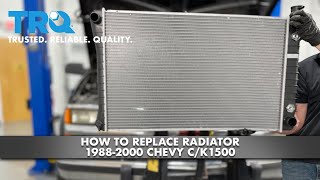
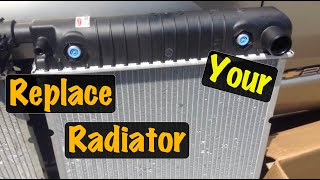
🎬 Check out this walkthrough for a complete radiator swap.Known Issues for the 1994-2000 C3500 Radiator
No specific recalls or Technical Service Bulletins (TSBs) have been issued by the NHTSA for the radiator on the 1994-2000 Chevrolet C3500. However, the most widely known issue is the design of the original radiator itself. The plastic end tanks become brittle over decades of heat cycles and can crack, or the seals where they are crimped to the aluminum core can fail, causing leaks. This is the most common reason for replacement.
🎬 Watch this step-by-step guide to replacing your truck's radiator.Frequently Asked Questions (FAQ)
What's the difference between a 1-row, 2-row, or 3-row radiator?
This refers to the number of rows of tubes in the radiator's core. Generally, more rows mean more surface area and better cooling capacity. For a heavy-duty C3500, especially one used for towing, a 2-row or 3-row radiator is often recommended for better heat dissipation. However, a modern, high-efficiency 1-row radiator can sometimes cool as well as an older 2-row design.
Should I get an all-aluminum radiator or one with plastic tanks?
All-aluminum radiators are more durable because they eliminate the plastic tanks that are prone to cracking. For a work truck that you depend on, the extra cost of an all-aluminum radiator can be a worthwhile investment in reliability. For daily driving or light use, a quality OEM-style radiator with plastic tanks from a brand like Spectra or Denso is a perfectly good and cost-effective choice.
What kind of coolant should I use in my C3500?
These trucks originally used a conventional IAT (Inorganic Additive Technology) coolant, which is typically bright green. It is important not to mix coolant types. If you are just topping off, use the same color that is already in the system. When replacing the radiator, it's a good time to completely flush the system and refill with fresh, new coolant mixed 50/50 with distilled water.
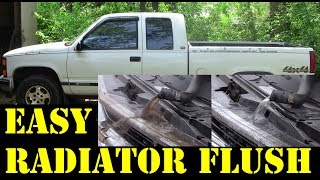
🎬 See how to properly flush and refill your cooling system.How do I get the air out of the cooling system after replacement?
Trapped air can cause overheating. After refilling the system, leave the radiator cap off, start the engine, and turn the heater on full blast. Let the truck run and come up to temperature. You will see bubbles coming out of the radiator filler neck. Keep adding coolant as the level drops. Once the bubbling stops and the coolant level is stable, the air is bled out. Top it off and replace the cap.
Helpful Videos

Technical Specifications
OEM Part Numbers: 52465838 52465839 52491626 52478818
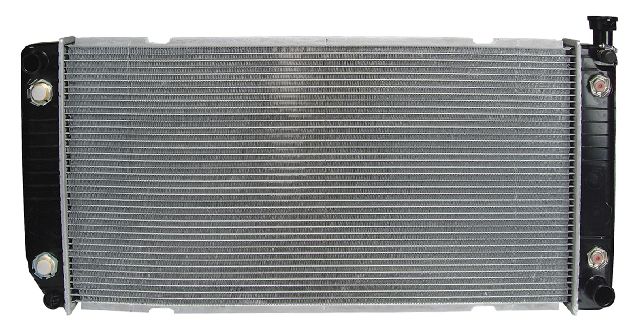
Core material: Aluminum; Tank Material: Plastic (OEM-style) or Aluminum (Upgraded); Core Height: ~17 1/16 in; Core Width: ~34 in; Rows: 1, 2, or 3. Always verify fitment based on your specific engine (5.7L, 7.4L, or 6.5L Diesel) and options like engine oil cooler.
We Have This Part in Stock

The information in this article is provided for general reference and educational purposes only. Vehicle specifications, procedures, and part compatibility can vary by production date, trim level, and region. Always consult your vehicle's factory service manual and verify part numbers before purchasing or performing repairs. Safety-critical components such as airbags, seat belts, and braking systems should be installed by a qualified professional.
- Chevrolet C3500:
- 🎬 Helpful Videos
- 🛍️ Shop This Part
- Signs of a Failing Radiator
- Critical Warning
- Choosing the Right Aftermarket Radiator
- Tier 1: Performance / Heavy-Duty (Upgrade)
- Tier 2: OEM-Quality Replacement
- Tier 3: Economy Replacement
- Pro Tip: Replace More Than Just the Radiator
- Known Issues for the 1994-2000 C3500 Radiator
- Frequently Asked Questions (FAQ)
- 🎟️ Get 5% Off