

Chevrolet K3500 Radiator Guide (1994-2000): Replacement and Brand Info
Keep your heavy-duty Chevy cool and avoid engine damage by choosing the right replacement radiator.
- The most common failure on the stock radiator is the plastic side tanks cracking from age and heat cycles.
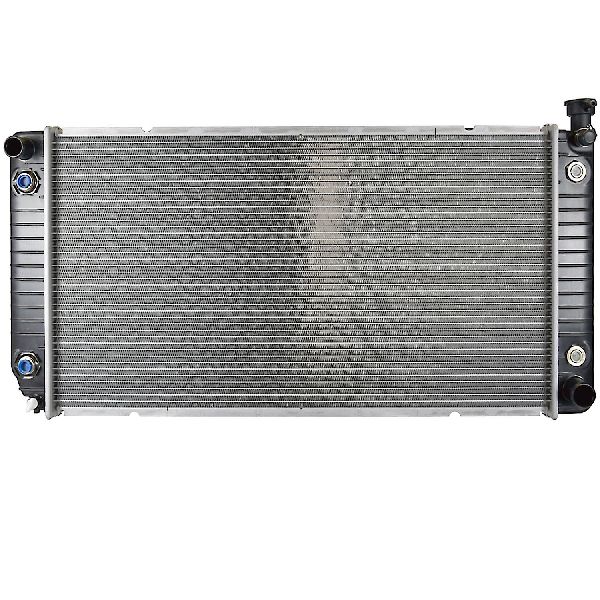
- Verify your truck's specific engine, core width (usually 34"), and whether you need connections for an engine oil or transmission cooler before ordering.
- For heavy towing or hauling, consider upgrading to a heavy-duty or all-aluminum radiator from a brand like Denso, Koyorad, or Mishimoto for better durability.
- Always replace the radiator cap, thermostat, and coolant when installing a new radiator to ensure the entire system is reliable.
Signs of a Failing Radiator in Your K3500
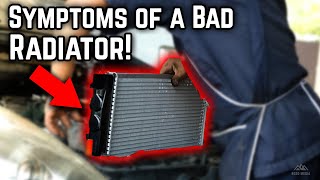
A bad radiator on your 1994-2000 Chevrolet K3500 will give you clear warning signs. Ignoring them can lead to serious and expensive engine damage. 🎬 Watch this video to identify common signs of radiator failure. Here’s what to watch for:
- Engine Overheating: This is the most obvious symptom. If you see the temperature gauge climbing into the red zone, your cooling system is not working correctly. You might also see steam coming from under the hood.
- Coolant Leaks: Finding puddles of green, yellow, or orange liquid under the front of your truck is a sure sign of a leak. On these GMT400 trucks, the most common failure point is the plastic side tanks cracking where they connect to the aluminum core.
- Visible Damage or Corrosion: Look at the radiator itself. If you see bent fins, white crusty deposits, or rust-colored stains, it’s a sign of leaks or external damage.
- Low or Dirty Coolant: The coolant in your overflow tank should be a bright color. If it looks brown, rusty, or sludgy, it means there is corrosion inside the cooling system, which can clog the radiator.
Choosing the Right Aftermarket Radiator
Since General Motors no longer produces original radiators for this truck, you will be choosing from aftermarket brands. The quality can range from basic replacements to high-performance upgrades. They are typically made of an aluminum core with plastic tanks, just like the original.
Standard Replacement Brands (Value Tier)
These brands offer a direct fit and are a cost-effective solution for daily driving and light-duty use. They are designed to meet original equipment (OE) specifications. Brands like APDI, Spectra, Onix, and One Stop Solutions fall into this category. While functional, some owners in forums report that the fit and finish can sometimes be inconsistent, but they generally get the job done. Spectra is a widely available option often praised for its value.
OEM-Quality and Heavy-Duty Brands (Mid-Tier)
For owners who use their K3500 for towing and hauling, stepping up in quality is a good idea. Brands like ACDelco (GM's parts brand), Denso, and Koyorad are known for higher quality control and durability. Denso is a well-respected OEM supplier for many manufacturers, known for excellent engineering and reliability. These radiators often have better construction and are less likely to fail prematurely.
Performance Brands (High-Tier)
If you have a modified engine or frequently push your truck to its limits, a performance radiator is a worthwhile investment. Brands like Mishimoto and Frostbite offer all-aluminum radiators. These eliminate the failure-prone plastic side tanks and often have larger cores or more rows for superior cooling capacity. While more expensive, they provide the best performance and longevity.
Common Ordering Mistakes
The 1994-2000 K3500 was available with several engines (5.7L V8, 7.4L V8, 6.5L Diesel) and cooling options. Before ordering, you must verify:
- Core Size: Measure the width of your radiator core. A common size is 34 inches between the tanks.
- Cooler Types: Check if your radiator has connections for an engine oil cooler and/or a transmission fluid cooler. These are separate small coolers often built into the main radiator tanks.
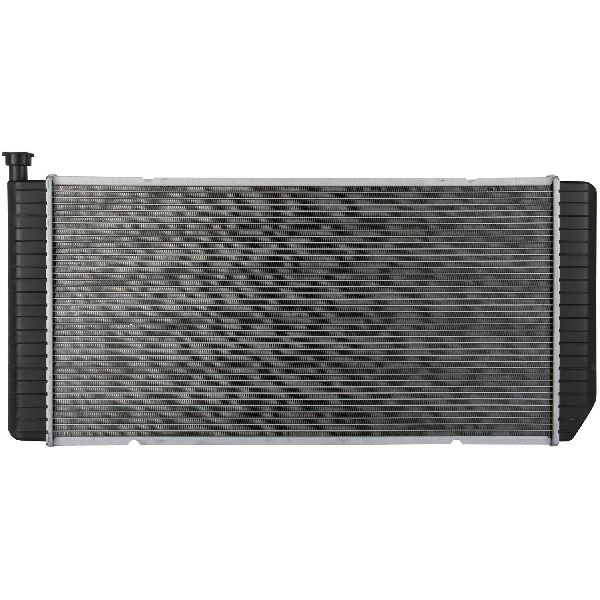
- Filler Neck Position: Some models have different filler neck heights or positions.
Always use your vehicle's specific details (year, engine, drivetrain) to confirm you are ordering the exact-fit part.
Frequently Asked Questions (FAQ)
Is replacing a K3500 radiator a DIY job?
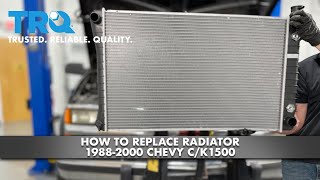
Yes, for someone with moderate mechanical skill and basic hand tools, this is a very manageable job. 🎬 See how to replace the radiator on a Chevy C/K truck. Access is good on these trucks. The process involves draining the coolant, removing the fan shroud, disconnecting hoses and cooler lines, and unbolting the radiator itself.
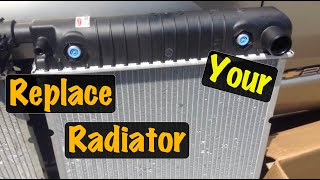
🎬 Follow this step-by-step guide to replace your Vortec V8 radiator.What kind of coolant should I use?
These trucks originally used a conventional green IAT (Inorganic Additive Technology) coolant. However, many modern replacement coolants are compatible. The most important thing is to completely flush the old coolant out and refill the system with a fresh 50/50 mix of antifreeze and distilled water. Do not mix old and new coolant types.
Are all-aluminum radiators better than plastic/aluminum?
For durability, yes. All-aluminum radiators eliminate the plastic end tanks, which are the most common point of failure. They are stronger and handle heat cycles better. For a stock truck used for daily driving, a good quality plastic/aluminum radiator is perfectly fine, but for heavy-duty use or performance, an all-aluminum unit is a superior choice.
Do I need to bleed the air out of the system after replacement?
Yes, this is a critical step. After refilling the radiator, leave the cap off, start the engine, and turn the heater on high. As the engine warms up, air bubbles will come out of the radiator neck. Keep adding coolant until the level is stable and no more bubbles appear.
Helpful Videos
Technical Specifications
OEM Part Numbers: 52478818 52481442
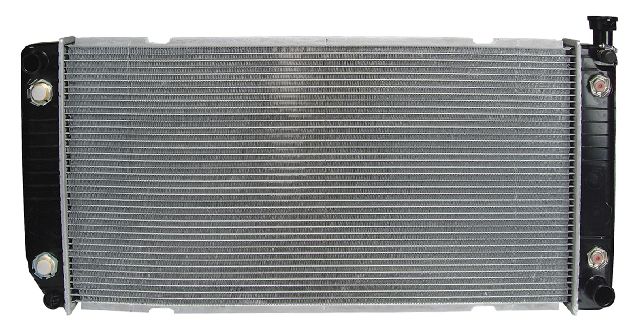
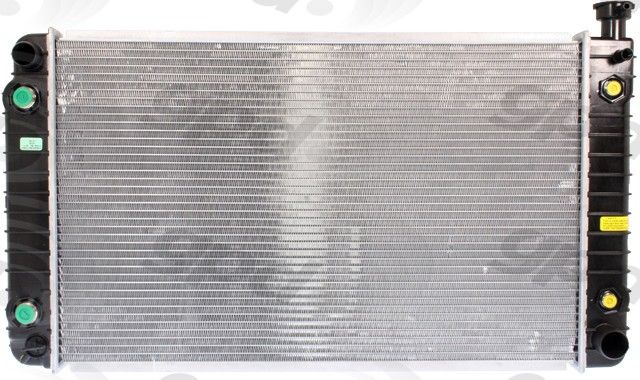
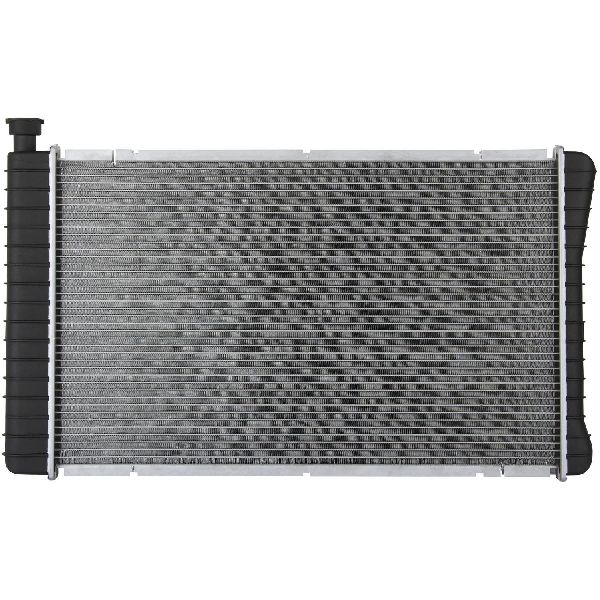
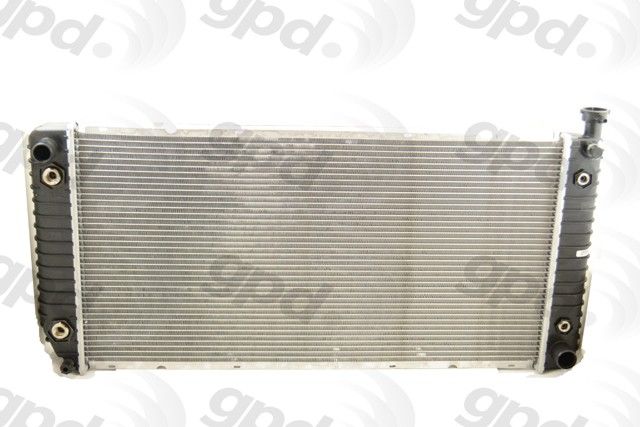
Core Material: Aluminum; Tank Material: Plastic; Common Core Width: 34 inches; Flow Type: Cross Flow. Configurations vary based on engine (5.7L, 7.4L, 6.5L Diesel) and presence of engine/transmission oil coolers.
We Have This Part in Stock

The information in this article is provided for general reference and educational purposes only. Vehicle specifications, procedures, and part compatibility can vary by production date, trim level, and region. Always consult your vehicle's factory service manual and verify part numbers before purchasing or performing repairs. Safety-critical components such as airbags, seat belts, and braking systems should be installed by a qualified professional.
- Chevrolet K3500:
- 🎬 Helpful Videos
- 🛍️ Shop This Part
- Signs of a Failing Radiator in Your K3500
- Choosing the Right Aftermarket Radiator
- Standard Replacement Brands (Value Tier)
- OEM-Quality and Heavy-Duty Brands (Mid-Tier)
- Performance Brands (High-Tier)
- Common Ordering Mistakes
- Frequently Asked Questions (FAQ)
- 🎟️ Get 5% Off