

A Guide to Replacing the Radiator on Your 1994-2000 GMC C2500
Keep your GMT400 workhorse from overheating by choosing the right new aftermarket radiator.
- The most common failure is age-related cracking of the plastic side tanks, causing coolant leaks.
- Verify your truck's exact configuration (engine, transmission type, and presence of an engine oil cooler) before ordering a part.
- For longevity, especially on a work truck, consider upgrading to an all-aluminum radiator from a brand like Mishimoto to eliminate the weak plastic tanks.
- Always replace the radiator cap, thermostat, and hoses at the same time as the radiator for a complete and reliable repair.
Is Your C2500 Radiator Failing?
On these 1994-2000 GMC trucks, radiator failure is common simply due to age. The most frequent issue is the plastic side tanks becoming brittle over time and cracking, which causes coolant leaks where the plastic is crimped to the aluminum center section. Here are the main symptoms to watch for:
- Engine Overheating: The most obvious sign is the temperature gauge on your dashboard climbing into the red zone. You might also see steam coming from under the hood.
- Visible Coolant Leaks: Finding puddles of bright green, yellow, or orange liquid under the front of your truck is a sure sign of a leak. This fluid will often have a sweet smell.
- Low Coolant Level: If you frequently have to add coolant to the overflow tank, it's leaking from somewhere. A bad radiator is a likely cause.
- Discolored or Sludgy Coolant: Healthy coolant is brightly colored. If the fluid in your overflow tank looks rusty, brown, or oily, it means there is corrosion and sludge inside the cooling system, which can clog the radiator.
Known Issues, Recalls, or TSBs
For trucks of this age, there are no active recalls or widespread Technical Service Bulletins (TSBs) for radiator failure. Problems with the original radiators are considered normal wear and tear after 20+ years of service. The main known issue is the degradation of the plastic side tanks over many heat cycles.
Choosing the Right Aftermarket Radiator
When shopping for a new radiator, you'll find a wide range of brands and prices. They generally fall into three tiers. Your choice depends on your budget and how you use your truck.
Tier 1: Performance All-Aluminum Radiators
These radiators eliminate the failure-prone plastic tanks by using fully welded aluminum construction. They often provide improved cooling capacity, which is great for heavy towing, high-horsepower engines, or use in hot climates. While they are the most expensive option, they offer the best durability.
- Brands: Mishimoto, Frostbite, Cold Case
- Pros: Maximum durability, improved cooling, no plastic parts to crack.
- Cons: Highest cost.
Tier 2: OEM-Quality Replacements
These brands are known for making parts for vehicle manufacturers and offer a quality and fit similar to the original part. They typically use an aluminum core with plastic side tanks, just like the factory radiator. They are a reliable choice for a daily driver or light-duty work truck.
- Brands: Denso, ACDelco
- Pros: Good quality and fit, trusted names.
- Cons: Still uses plastic tanks that can fail over time.
Tier 3: Economy Replacements
These are the most affordable options and are widely available. Quality can be inconsistent, with some lasting for years and others failing sooner. Many store brands fall into this category. They can be a good choice if budget is the main concern, but it's wise to buy from a local store with a good warranty policy.
- Brands: Spectra, APDI, Global Parts, One Stop Solutions, Onix
- Pros: Low price, widely available.
- Cons: Quality can be a gamble; may not last as long as higher-tier options.
Cost of Replacing a 1994-2000 GMC C2500 Radiator
The cost can vary significantly based on the brand you choose and whether you do the work yourself.
| Part/Service | Estimated Cost |
|---|---|
| New Aftermarket Radiator | $27 - $375 |
| Shop Labor | $232 - $340 |
| Total Professional Replacement | $259 - $715 |
Frequently Asked Questions (FAQ)
Do I need to check for an oil cooler or transmission cooler?
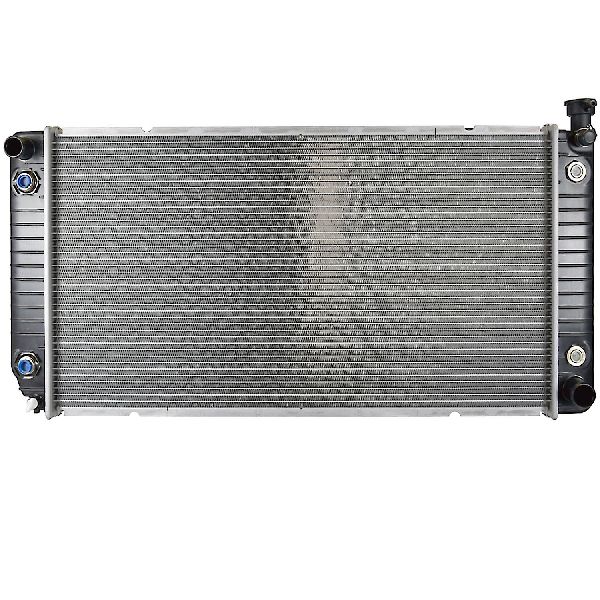
Yes, this is critical. Most C2500s have an automatic transmission and will require a radiator with a built-in transmission fluid cooler (two small threaded fittings). Some heavy-duty models, especially those with the 7.4L V8 or 6.5L Diesel, may also have an engine oil cooler (EOC) with two additional, larger fittings. Always verify your truck's specific setup before ordering. A radiator for a manual transmission truck will not have cooler fittings.
What kind of coolant should I use?
These trucks originally used a conventional IAT (Inorganic Additive Technology) coolant, which is typically green. However, many modern replacement coolants are universal "all makes, all models" types. Some guides may also reference GM's orange Dex-Cool. The most important thing is to completely flush the old coolant from the engine block and heater core and refill the system with a fresh 50/50 mix of new coolant and distilled water. Never mix old and new coolant, and do not mix different types like green and orange.
Is replacing the radiator a DIY job?
Yes, for most people with basic hand tools, this is a very manageable job. Access is good on these trucks. The process involves draining the coolant, removing the fan shroud and hoses, disconnecting the cooler lines, and unbolting the radiator itself. The job typically takes about two hours.
What is the difference between a 1-row, 2-row, or 4-row radiator?
This refers to the number of rows of tubes in the radiator's core. Generally, more rows mean more surface area and better cooling capacity. A standard replacement is often a 1-row or 2-row core. Heavy-duty or performance radiators may have 2, 3, or even 4 rows for maximum cooling, which is beneficial for trucks that work hard.
Technical Specifications
OEM Part Numbers: 52481442 21033
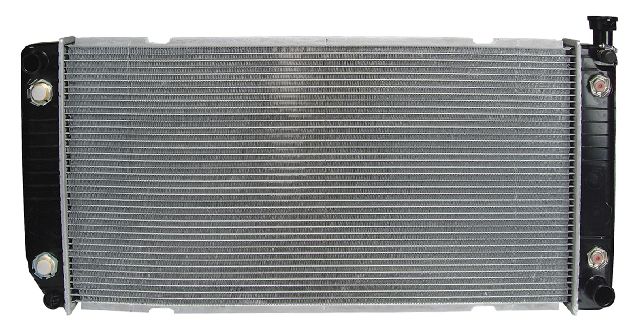
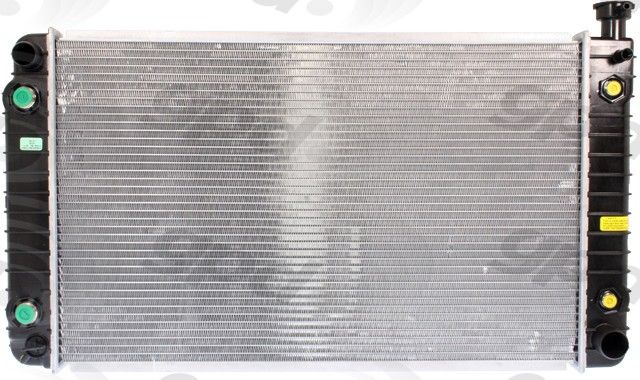
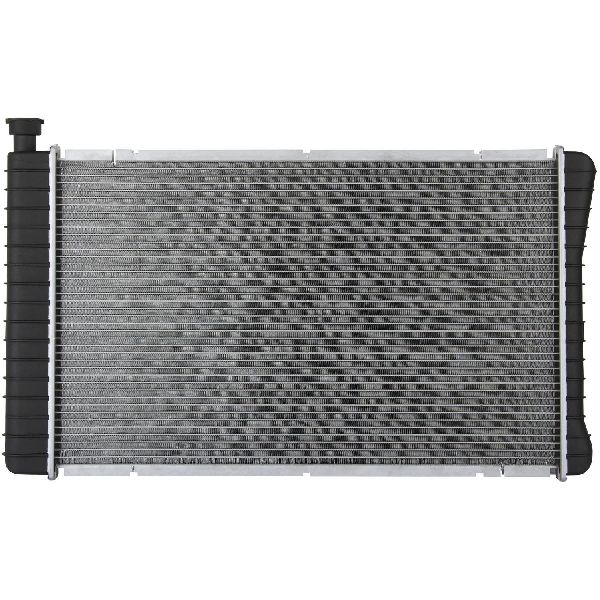
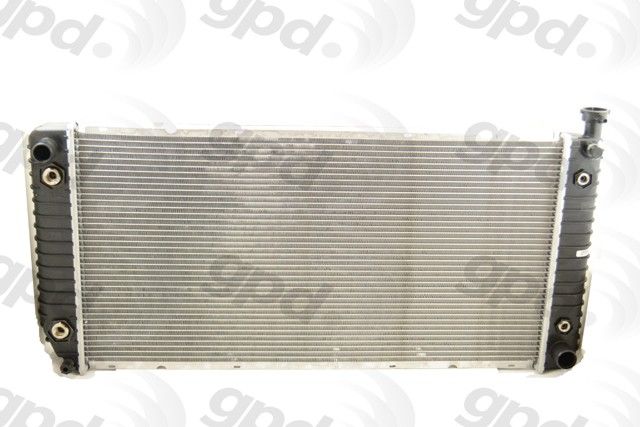
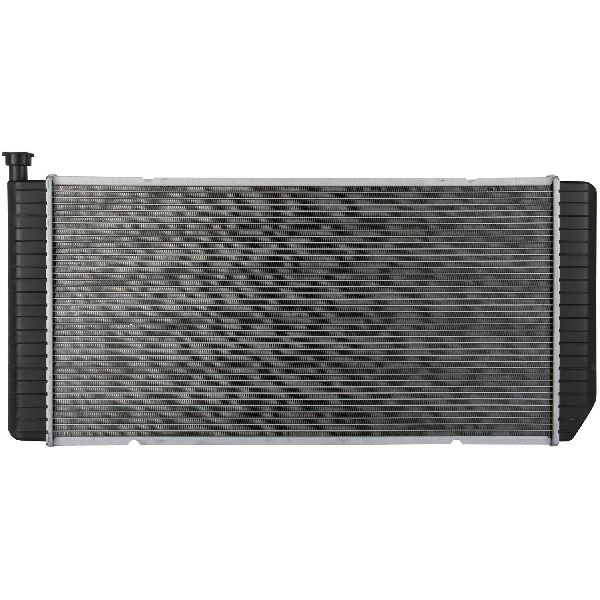
Core material is typically aluminum with plastic tanks on OEM-style replacements. A common core width is 34 inches, and the core height is around 17.25 inches. Inlet is on the upper driver's side, and the outlet is on the lower passenger side. Must verify transmission and engine oil cooler fittings.
We Have This Part in Stock

The information in this article is provided for general reference and educational purposes only. Vehicle specifications, procedures, and part compatibility can vary by production date, trim level, and region. Always consult your vehicle's factory service manual and verify part numbers before purchasing or performing repairs. Safety-critical components such as airbags, seat belts, and braking systems should be installed by a qualified professional.
- GMC C2500:
- 🛍️ Shop This Part
- Is Your C2500 Radiator Failing?
- Known Issues, Recalls, or TSBs
- Choosing the Right Aftermarket Radiator
- Tier 1: Performance All-Aluminum Radiators
- Tier 2: OEM-Quality Replacements
- Tier 3: Economy Replacements
- Cost of Replacing a 1994-2000 GMC C2500 Radiator
- Frequently Asked Questions (FAQ)
- 🎟️ Get 5% Off