

A Guide to Replacing the Radiator in Your 1994-2000 GMC C3500
Keep your heavy-duty truck's engine cool by choosing the right new aftermarket radiator.
- The most common failure on the original radiator is the plastic side tanks cracking from age.
- An affordable aftermarket radiator from a local store with a lifetime warranty is a practical choice for most owners.
- Verify if your truck has an engine oil cooler (EOC) in addition to the transmission cooler to ensure you order the correct part.
- Always replace the radiator cap, thermostat, and hoses at the same time as the radiator for a reliable repair.
Is Your C3500 Radiator Failing?
On these GMT400-era trucks, the most common radiator failure is not the metal core, but the plastic tanks on the sides. After decades of heating up and cooling down, this plastic becomes brittle and cracks, causing coolant leaks. Watch for these signs:
- Engine Temperature Gauge Climbing: If your temp gauge is running hotter than normal or entering the red zone, your cooling system is struggling.
- Visible Coolant Leaks: Bright green, orange, or pink puddles under the front of your truck are a sure sign of a leak. Check the side tanks and where the hoses connect.
- Low Coolant Level: Frequently needing to add coolant to the overflow tank means you are losing it somewhere.
- Sweet Smell: The smell of hot antifreeze is a classic sign of a coolant leak, even if you can't see it.
- Rusty or Gummy Coolant: If the coolant in your reservoir looks like sludge or is rust-colored, it can indicate internal corrosion and clogging.
Warning: Do Not Drive If Overheating
Driving with an overheating engine can cause severe and expensive damage, including warped cylinder heads or a blown head gasket. If your temperature gauge is in the red or you see steam from the hood, pull over and shut off the engine as soon as it is safe to do so.
Choosing the Right Aftermarket Radiator
You don't need to buy an expensive dealer part for your C3500. Aftermarket radiators offer a good balance of price and quality, but it's important to know the differences.
Standard Replacement (OEM-Style)
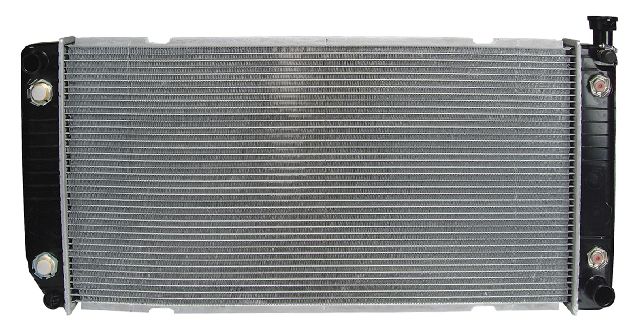
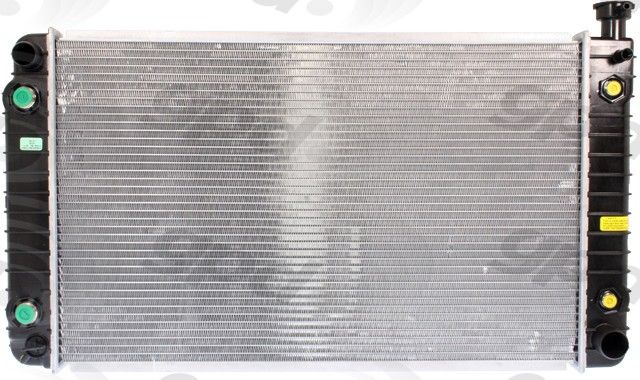
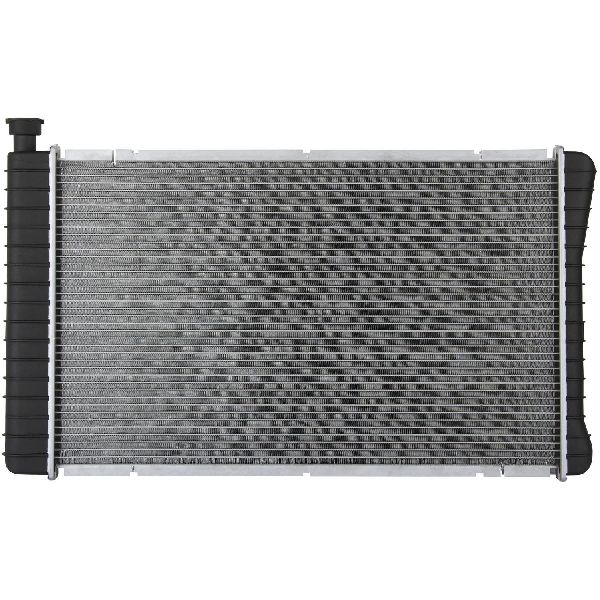
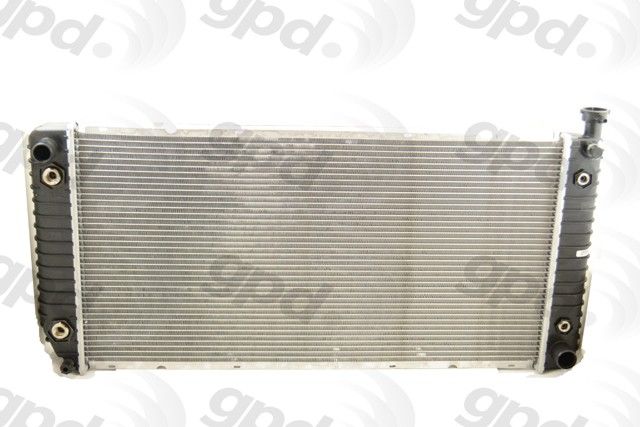
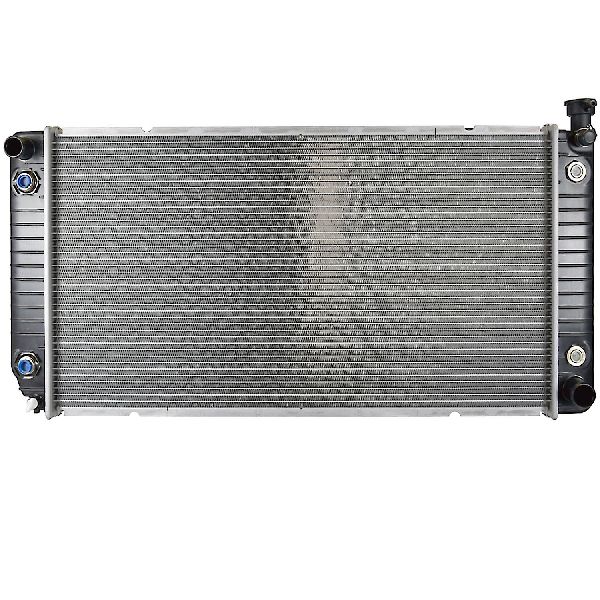
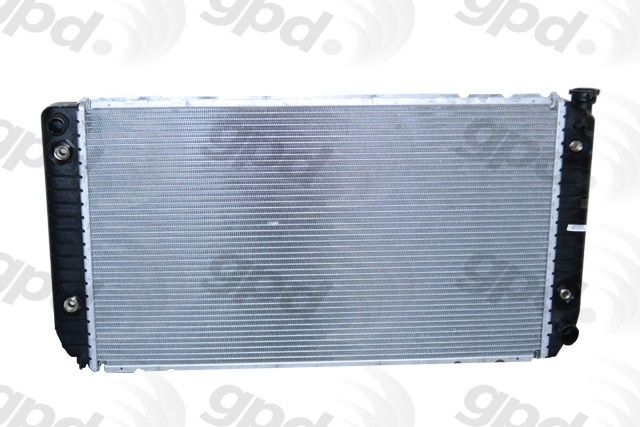
These radiators are designed to be direct replacements for the original, featuring an aluminum core with plastic side tanks. They are the most affordable option.
- Brands like Spectra, APDI, and OSC: These are common, budget-friendly choices. User experiences can be mixed, with some reporting perfect fit and others having issues with leaks out of the box. The main advantage of buying these from a local auto parts store is the easy, over-the-counter warranty exchange if you get a bad one.
- ACDelco (Aftermarket): While ACDelco is the GM original part supplier, their aftermarket line is not always the same quality as what came from the factory. They are a reliable option but may not last longer than other quality aftermarket brands.
Performance Upgrade (All-Aluminum)
For heavy towing, high-performance use, or simply for maximum durability, an all-aluminum radiator is a great investment. These eliminate the failure-prone plastic tanks by having tanks that are welded directly to the core.
- Brands like Mishimoto and Frostbite: These are known for their high-quality, all-aluminum construction. They cost more upfront but provide superior cooling and a much longer service life by removing the plastic weak point.
Pro Tip: Check Your Connections
Your C3500 radiator has connections for transmission fluid cooler lines. Before ordering, double-check if your truck also has an engine oil cooler (EOC). Radiators are specific to models with or without an EOC, so confirming what you have is essential to get the right part.
Cost of Replacing Your Radiator
Here is a general breakdown of what you can expect to pay. Prices vary based on brand, engine size, and your location.
| Part Type | Estimated Cost |
|---|---|
| New Aftermarket Radiator | $120 - $375 |
| New OEM (Dealer) Radiator | $500+ |
| Professional Labor | $185 - $270 |
| Total Professional Job (Aftermarket Part) | $305 - $645 |
Frequently Asked Questions
Is replacing the radiator a DIY job?
Yes, for someone with basic mechanic skills and tools, this is a very manageable job. Access is good on these trucks. The process involves draining the coolant, removing the fan shroud, disconnecting hoses and cooler lines, and unbolting the radiator. Expect it to take about two hours.
Are there any recalls on the 1994-2000 C3500 radiator?
No. Searches of the National Highway Traffic Safety Administration (NHTSA) database and other technical resources show no specific safety recalls or widespread technical service bulletins (TSBs) for radiator failures on the 1994-2000 GMC C3500.
Should I replace any other parts with the radiator?
Absolutely. It is highly recommended to replace the radiator cap, thermostat, and both the upper and lower radiator hoses at the same time. These parts are inexpensive and wear out over time. Replacing them with the radiator is cheap insurance against a future failure that could cause your new radiator or your engine to have problems.
What kind of coolant should I use?
These trucks originally used a conventional IAT (Inorganic Additive Technology) coolant, which is typically bright green. However, many have been switched to GM's orange Dex-Cool. Check what color is in your truck now. The most important thing is to not mix coolant types. When you replace the radiator, it's a perfect time to flush the entire system and refill with a fresh 50/50 mix of new coolant and distilled water.
Technical Specifications
OEM Part Numbers: 52460280 52467236 52473512 52457594
Core material: Aluminum; Tank material: Plastic (OEM style) or Aluminum (Performance); Core width is typically 34 inches. Must verify presence of Engine Oil Cooler (EOC) lines.
We Have This Part in Stock

The information in this article is provided for general reference and educational purposes only. Vehicle specifications, procedures, and part compatibility can vary by production date, trim level, and region. Always consult your vehicle's factory service manual and verify part numbers before purchasing or performing repairs. Safety-critical components such as airbags, seat belts, and braking systems should be installed by a qualified professional.
- GMC C3500: