

Electric Fuel Pump Guide for the 1994-2000 GMC K2500
Don't get stranded. Learn how to choose the right fuel pump and spot failure signs for your GMT400 truck.
- For reliability, choose an OEM-grade brand like ACDelco or Delphi; the extra cost is worth the peace of mind.
- Always replace the entire fuel pump module assembly, not just the pump motor, to address common sending unit failures.
- Replacing the fuel filter and inspecting the wiring harness connector are critical steps to ensure the new pump lasts.
- Replacement requires either dropping the fuel tank or lifting the truck bed, making it a significant job for a DIY mechanic.
Is Your K2500's Fuel Pump Failing?
A failing fuel pump can leave you stranded. These trucks are known for being tough, but the fuel pump is a part that wears out over time. Recognizing the symptoms early can save you from a major headache.
Common Symptoms of a Bad Fuel Pump
- Engine Sputtering or Hesitation: Especially under acceleration or when going uphill, the engine may feel like it's cutting out. This happens because the pump can't supply enough fuel when the engine needs it most.
- Difficulty Starting: The engine may crank for a long time before it starts, or it might not start at all. A weak pump struggles to build enough pressure to start the engine.
- Whining Noise From the Tank: You might hear a loud humming or whining sound from the rear of the truck. A healthy pump makes a quiet hum when you first turn the key, but a loud, constant whine is a sign of a pump working too hard.
- Loss of Power: The truck may feel sluggish and lack its usual power. This is a common sign that the engine isn't getting a consistent fuel supply.
- Stalling: The engine may stall unexpectedly, especially when it's hot or at high speeds. This is a dangerous symptom that indicates the pump is failing intermittently.
Choosing the Right Aftermarket Fuel Pump
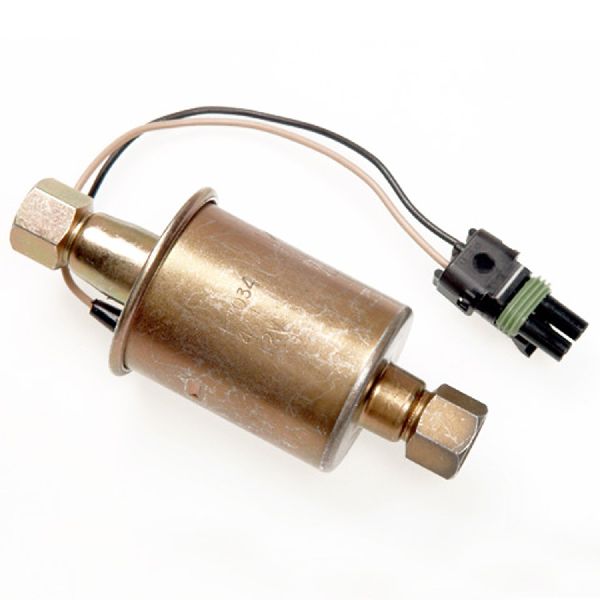
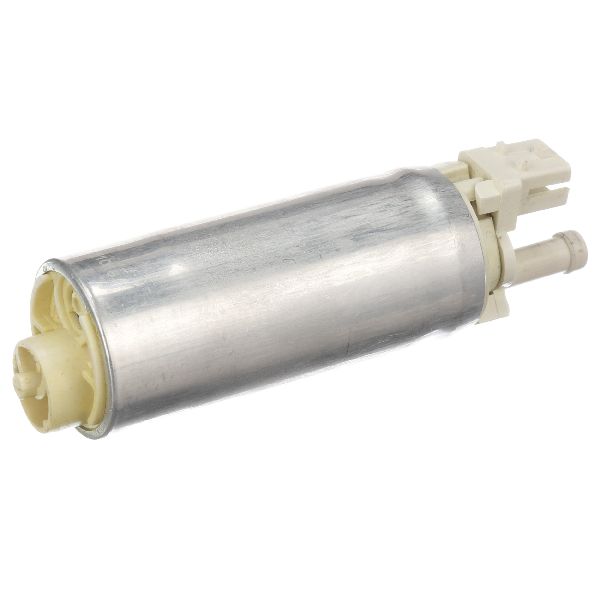
When it's time to replace your fuel pump, you have several options. For a job this labor-intensive, it's smart to invest in a quality part to avoid doing the work twice. The entire assembly, which includes the pump, sending unit, and hanger, is the recommended replacement part.
Brand Quality Tiers
Tier 1: OEM-Grade Replacements
- ACDelco & Delphi: These brands are the original equipment manufacturers (OEM) for General Motors. Choosing an ACDelco or Delphi pump is the closest you can get to buying the original part. They are widely considered the most reliable options for these trucks by owners and mechanics. While sometimes made overseas now, their quality control is generally considered superior.
Tier 2: Quality Aftermarket
- Carter: Carter has a long history of making reliable fuel system components. Many users report good experiences with their durability and quiet operation. They are a solid choice if an OEM-grade part isn't in the budget.
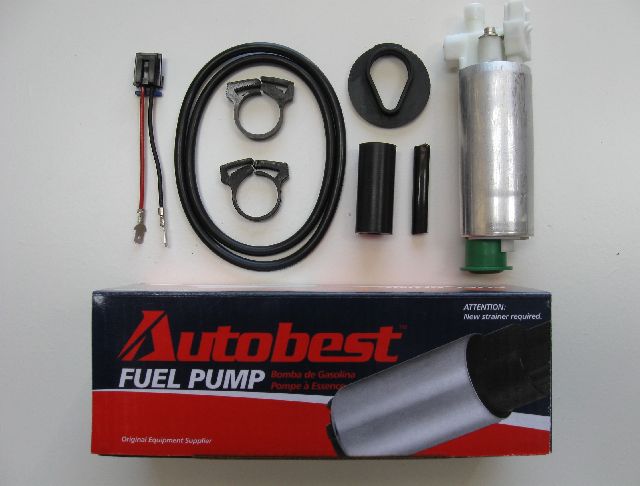
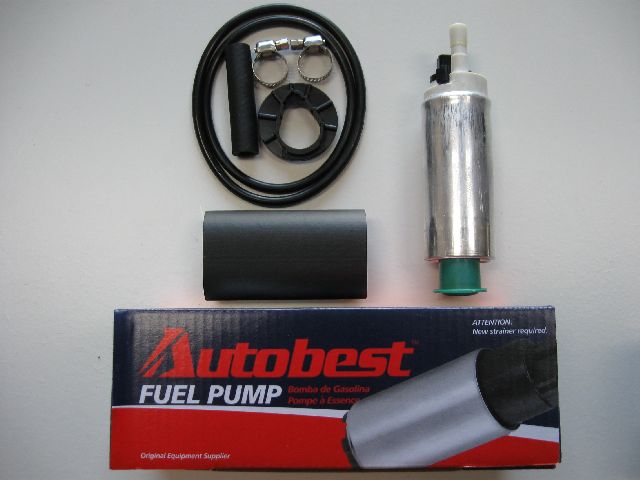
- AutoBest: Often seen as a reliable mid-tier option, providing a good balance of price and quality.
Tier 3: Economy Options
- US Motor Works & Store Brands: These are the most budget-friendly options. While they may meet basic specifications, their long-term reliability can be inconsistent. Some owners have success with them, but failure rates are generally higher than with premium brands.
Pro Tip: Replace the Assembly, Not Just the Pump
It's highly recommended to replace the entire fuel pump module assembly, not just the small internal pump motor. The sending unit for the fuel gauge and the internal wiring are common failure points. Replacing the whole assembly at once ensures all components are new and saves you from having to drop the tank again for a different related failure.
Known Issues for 1994-2000 GMC K2500
No major recalls or Technical Service Bulletins (TSBs) were found specifically for fuel pump failure on this model range. However, owner forums frequently mention a few common issues:
- Wiring Harness Connector: The electrical connector on top of the fuel pump assembly can overheat and melt over time, causing an intermittent or complete loss of power to the pump. It is highly recommended to inspect this connector and replace the pigtail harness if any signs of heat damage are present.
- Fuel Level Sender Failure: It's very common for the fuel gauge to become inaccurate or stop working entirely. This is caused by wear on the fuel level sending unit, which is part of the pump assembly.
- Clogged Fuel Filter: A clogged fuel filter makes the pump work harder, leading to premature failure. Always install a new fuel filter when you replace the fuel pump.
| Part Type | Estimated Cost |
|---|---|
| New Aftermarket (Economy) | $40 - $90 |
| New Aftermarket (OEM-Grade) | $100 - $175+ |
| Shop Labor | $246 - $362 |
Frequently Asked Questions (FAQ)
Do I have to drop the fuel tank to replace the pump?
Officially, yes. The standard procedure is to drop the fuel tank to access the pump. However, many owners choose to unbolt and lift the truck bed to gain access from above, which can be easier if you have help. Some even cut an access hole in the bed floor directly above the pump, but this is not recommended as it can compromise the bed's structure.
Should I replace any other parts at the same time?
Yes. Always replace the fuel filter. It's also a good time to inspect and likely replace the wiring harness pigtail for the pump, the rubber fuel filler and vent hoses if they are cracked, and the tank straps if they are heavily rusted.
What's the difference between a TBI and Vortec fuel pump?
The fuel pressure requirements are different. The earlier TBI (Throttle Body Injection) engines use a lower pressure pump (around 12 psi) compared to the later Vortec engines (around 60 psi). It is critical to use the correct pump for your specific engine and year to ensure proper operation.
My truck has two fuel tanks. Does that change things?
Yes. If your truck is equipped with dual fuel tanks, it has a more complex system with a pump in each tank and a switching valve. Diagnosing and repairing this system can be more complicated. The recall found for dual-tank trucks (N222368030) affects much newer models and does not apply to the 1994-2000 generation.
Technical Specifications
OEM Part Numbers: 25176986 25178732 25323729
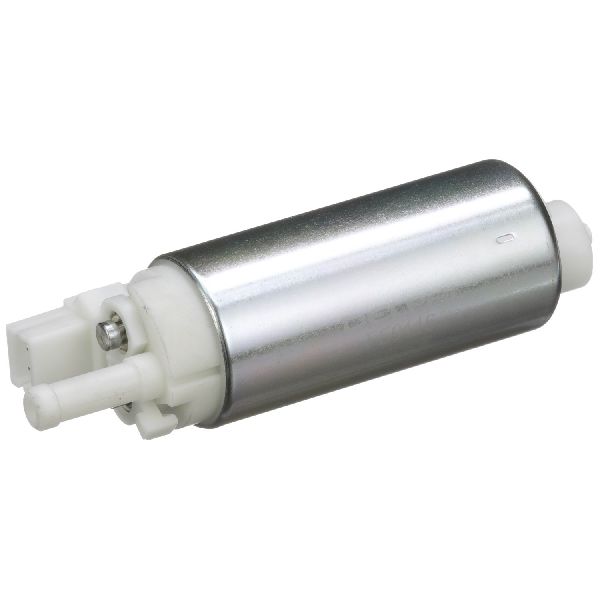
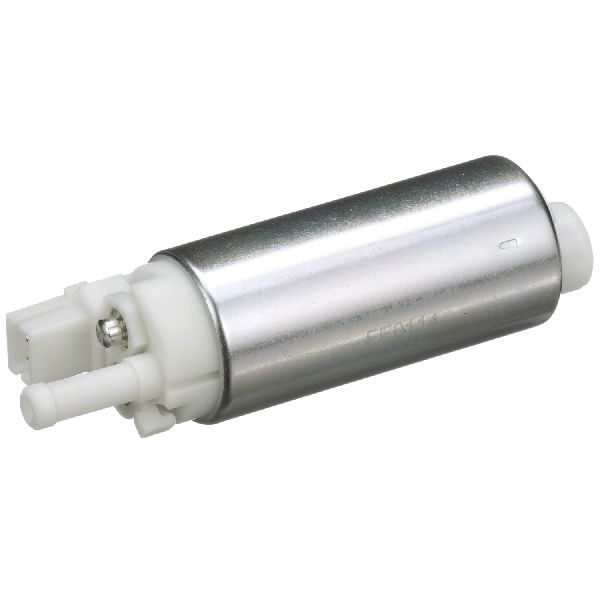
The fuel pump is an in-tank design, typically sold as a complete module with the sending unit. Pressure specifications vary by engine: TBI engines (pre-1996) require lower pressure (approx. 9-13 PSI), while Vortec engines (1996-2000) require higher pressure (approx. 60-66 PSI). Always verify the correct part for your specific engine.
We Have This Part in Stock

The information in this article is provided for general reference and educational purposes only. Vehicle specifications, procedures, and part compatibility can vary by production date, trim level, and region. Always consult your vehicle's factory service manual and verify part numbers before purchasing or performing repairs. Safety-critical components such as airbags, seat belts, and braking systems should be installed by a qualified professional.
- GMC K2500: