

GMC K2500 Oxygen Sensor Guide for 1994-2000 Models
Get your truck running right by understanding, diagnosing, and choosing the correct new aftermarket oxygen sensor.
- A bad O2 sensor will trigger the Check Engine Light and cause poor fuel economy, rough running, and failed emissions tests.
- For best results, choose an OEM-supplier brand like Denso or NGK/NTK; they are often the same part as ACDelco but cost less.
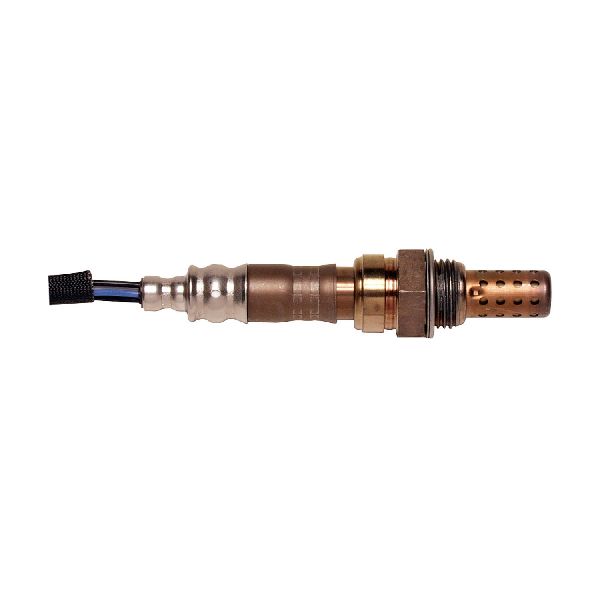
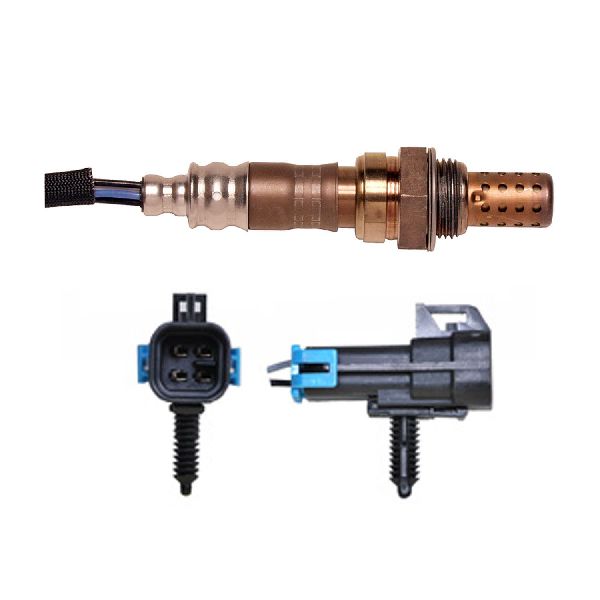
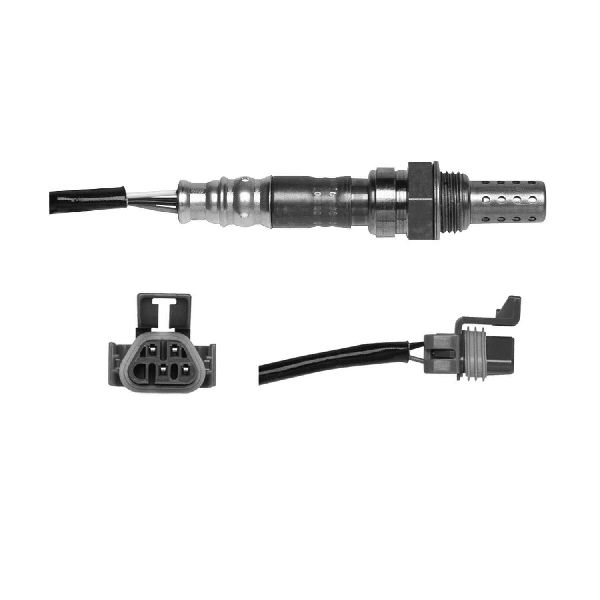
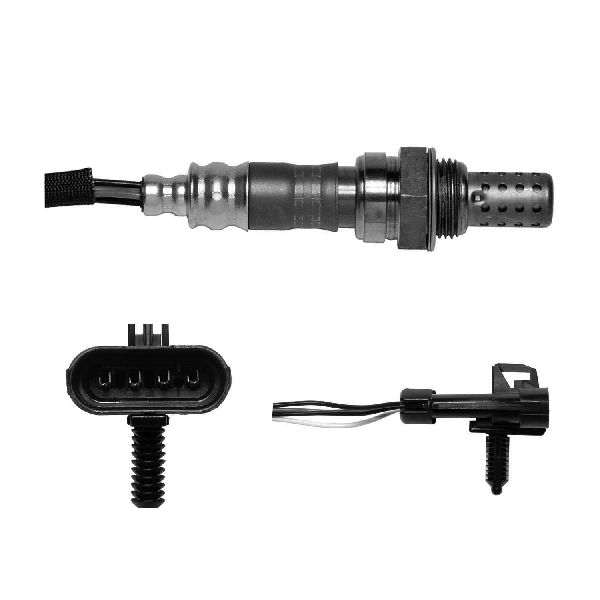
- Always buy a 'direct-fit' sensor with the correct electrical plug to avoid wiring problems.
- The biggest challenge for replacement is rust. Soak the old sensor in penetrating oil before trying to remove it.
Signs of a Bad Oxygen Sensor
An oxygen sensor doesn't last forever. Contaminants like burnt oil or coolant can damage it over time, and simple old age is also a factor. When a sensor starts to fail, your truck's computer gets bad information, which can cause noticeable problems. Ignoring a bad O2 sensor can eventually damage your expensive catalytic converter.
Common symptoms include:
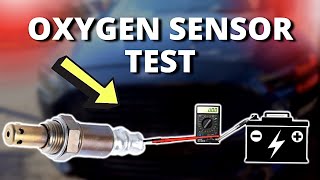
- Check Engine Light: This is the most common sign. The light will turn on if the computer detects a problem with the sensor's signal or its internal heater circuit. 🎬 Watch: A professional guide on how to test an oxygen sensor. Common codes include P0135 (Bank 1 Sensor 1 Heater) and P0141 (Bank 1 Sensor 2 Heater).
- Poor Fuel Economy: A bad sensor can cause the engine to run rich, meaning it uses more fuel than it needs to.
- Rough Idle and Misfires: The engine may run unevenly or stumble at idle or low speeds because the air-fuel mixture is wrong.
- Failed Emissions Test: An O2 sensor is critical for controlling emissions. A bad one is a common reason for failing a smog check.
- Rotten Egg Smell: A very rich fuel mixture can overwhelm the catalytic converter, creating a harsh, sulfur-like smell from the exhaust.
Choosing the Right Aftermarket O2 Sensor
Not all aftermarket brands are created equal for your K2500. For a critical part like this, brand choice matters. Sticking with brands known to be Original Equipment (OE) suppliers is a safe bet.
Tier 1: OEM Supplier Quality
These brands are widely reported by mechanics and owners to be the original suppliers to GM. They offer the best fit and performance.
- ACDelco: While this is GM's official parts brand, they often do not manufacture the sensor itself. You may receive a Denso or NGK sensor in an ACDelco box. It's a reliable choice, but sometimes costs more for the name on the box.
- Denso: Many consider Denso to be the actual OE manufacturer for GM vehicles of this era. They are known for excellent quality, and you can often buy the same part without the ACDelco box for less money.
- NGK (also known as NTK): Alongside Denso, NGK/NTK is a highly respected OEM supplier with a strong reputation for reliability on these trucks.
Tier 2: Quality Aftermarket
These brands are well-known and generally produce reliable parts, though they may not be the original supplier.
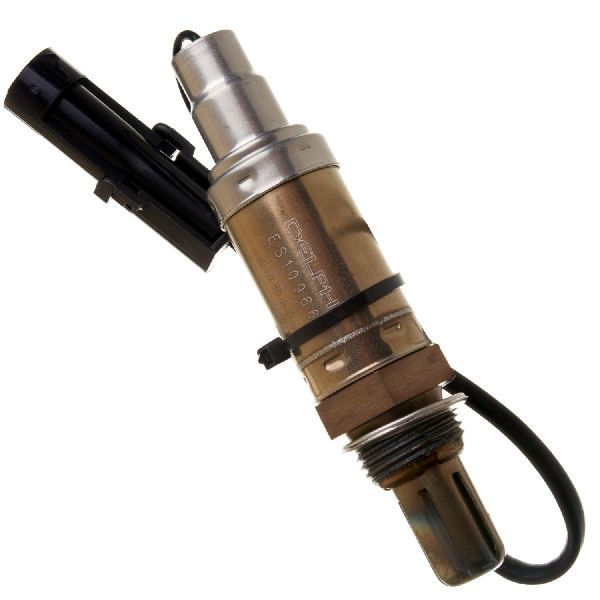
- Delphi: Once part of GM, Delphi is now independent. Their older parts were OE, but quality on newer production is less certain according to some owners.
- Bosch: Bosch is a massive auto parts manufacturer, but their O2 sensors have very mixed reviews for GM trucks. Some owners report no issues, while many in forums specifically advise against using them on this platform, citing compatibility problems.
Tier 3: Budget Options
Brands like Walker Products, DriveWire, and Spectra fall into this category. They offer a lower price point, which can be attractive. However, for a part that directly affects engine performance and fuel economy, investing in a Tier 1 brand is often worth the extra cost in the long run to avoid potential issues and ensure longevity.
Pro Tip: Direct-Fit vs. Universal
Always choose a "direct-fit" sensor. These come with the correct plug for your truck's wiring harness. A cheaper "universal" sensor requires you to cut your old plug off and splice it onto the new sensor's wires. This creates a potential failure point from moisture and corrosion, which is not worth the small savings.
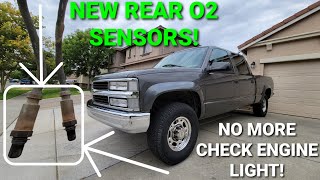
🎬 See this walkthrough on changing sensors to improve your gas mileage.Estimated Costs for Oxygen Sensor Replacement
| Part Type | Estimated Cost |
|---|---|
| New Aftermarket (Your Price) | $28.13 - $136.42 |
| Shop Labor | $75 - $225 |
Cost estimates are for a single sensor and can vary by location and the specific sensor being replaced. Your truck may have up to four sensors.
Frequently Asked Questions
How many oxygen sensors does my 1994-2000 K2500 have?
It depends on the year. Models from 1996-2000 are OBDII compliant and will have more sensors. If you have a V-style engine (like the 5.7L or 7.4L), you will likely have four sensors: two upstream (one on each side, called Bank 1 and Bank 2) and two downstream (one on each side after the catalytic converter). 1994-1995 models may have only one or two sensors. Bank 1 is the driver's side on GM trucks.
What is the difference between an upstream and downstream sensor?
The upstream sensor (also called Sensor 1) is located in the exhaust manifold or pipe before the catalytic converter. Its main job is to provide fast feedback for the engine's air-fuel mixture. The downstream sensor (Sensor 2) is located after the catalytic converter and its job is to monitor the converter's efficiency by comparing its reading to the upstream sensor.
Can I replace just one oxygen sensor?
Yes. You only need to replace the sensor that has failed. However, O2 sensors have a limited lifespan, often around 100,000 miles. If one has failed due to age, the others are likely not far behind. If your budget allows, replacing them in pairs (both upstream or both downstream) can be a good preventative measure.
What makes the replacement difficult?
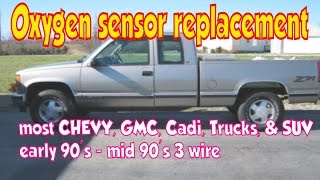
The sensor itself is just screwed into the exhaust pipe. The main challenge is rust. Years of heat cycles and exposure to road salt and water can seize the sensor in place, making it extremely hard to remove. Soaking the sensor's base with a good penetrating oil for several hours or even a day before trying to remove it is the most important step for a successful DIY replacement.
Helpful Videos
Technical Specifications
Number of sensors varies by year and engine. OBDII models (1996-2000) can have up to four sensors. Non-OBDII (1994-1995) typically have one or two. Sensors are located before (upstream) and after (downstream) the catalytic converter(s).
We Have This Part in Stock


The information in this article is provided for general reference and educational purposes only. Vehicle specifications, procedures, and part compatibility can vary by production date, trim level, and region. Always consult your vehicle's factory service manual and verify part numbers before purchasing or performing repairs. Safety-critical components such as airbags, seat belts, and braking systems should be installed by a qualified professional.
- GMC K2500:
- 🎬 Helpful Videos
- 🛍️ Shop This Part
- Signs of a Bad Oxygen Sensor
- Choosing the Right Aftermarket O2 Sensor
- Tier 1: OEM Supplier Quality
- Tier 2: Quality Aftermarket
- Tier 3: Budget Options
- Pro Tip: Direct-Fit vs. Universal
- Estimated Costs for Oxygen Sensor Replacement
- Frequently Asked Questions
- 🎟️ Get 5% Off