

A Mechanic's Guide to 1994-2000 Mazda B2300 Drum Brake Shoes
Get your truck's stopping power back by understanding your options for new rear brake shoes.
- Your 1994-2000 Mazda B2300 is mechanically identical to a Ford Ranger, making parts easy to find.
- For most owners, a quality 'Daily Driver' brand like Wagner, Bendix, or Centric provides the best mix of performance and value.
- Always replace brake shoes as a set and install a new hardware kit to ensure proper function and avoid noise.
- Before ordering, confirm if your truck has 9-inch or 10-inch rear drums to get the correct parts.
Is It Time for New Brake Shoes?
Your B2300's rear drum brakes wear out much slower than the front disc brakes, but they don't last forever. Ignoring the warning signs can be dangerous. Look for these common symptoms of failure.
Critical Brake System Recall on 1994 Models
A significant safety recall (NHTSA 96V-024) was issued for 1994 Mazda B-Series trucks. The issue involves the studs that attach the master cylinder to the brake booster, which can fracture and lead to a sudden loss of braking. While not a brake shoe problem, it is a critical safety check for any 1994 B2300 owner working on the brake system.
Choosing the Right Aftermarket Brake Shoes
Since your Mazda B2300 is a rebadged Ford Ranger, you have many excellent aftermarket parts available. For a workhorse truck, you don't need to overspend, but you shouldn't cheap out either. We've grouped the available brands into tiers to help you decide.
Brand Quality Tiers
- Economy (Good): Brands like Total Stopping Solutions fall into this category. They meet basic requirements and are a good choice if the budget is your primary concern. They will stop your truck safely, but may not have the lifespan or quietness of more expensive options.
- Daily Driver (Better): This is the best choice for most B2300 owners. Brands like Wagner, Bendix, and Centric are well-respected manufacturers that offer excellent performance and durability for the price. They are designed to meet or exceed the original factory specifications.
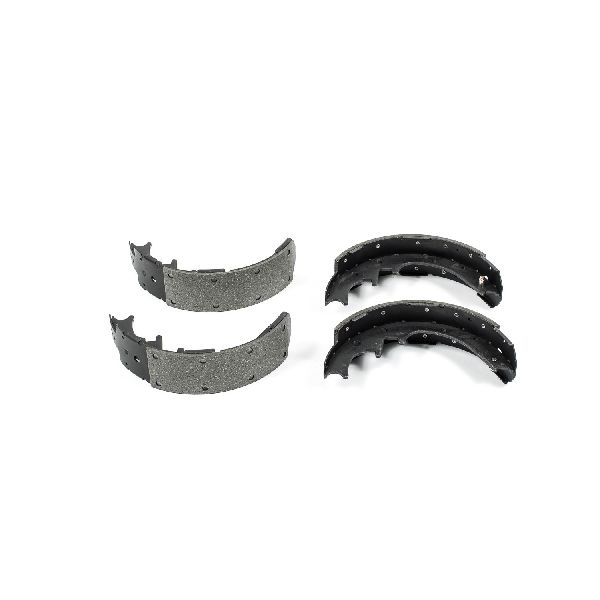
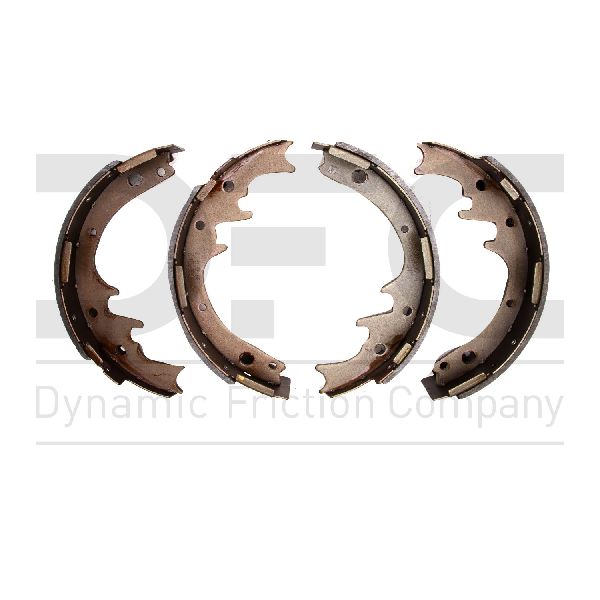
- Premium / Performance (Best): Brands like Powerstop and Dynamic Friction often focus on improved stopping power, which can be useful if you frequently tow or carry heavy loads. While sometimes sold as part of a kit, their shoes provide a higher performance ceiling, but may come at a higher cost.
Pro Tip: Always Replace the Hardware
Don't reuse the old springs and clips. A new drum brake hardware kit is inexpensive and ensures your new shoes move correctly. Old springs lose tension over time and can cause noise, dragging, or uneven wear. Also, inspect your brake drums. If they have deep grooves or a large lip on the edge, they should be replaced or resurfaced.
Common Problems & Ordering Mistakes
- Stuck Parking Brake: A common issue on these trucks is a seized parking brake cable, which causes the shoes to constantly drag against the drum. If your rear brakes wear out very quickly, check that the parking brake lever on the backing plate moves freely.
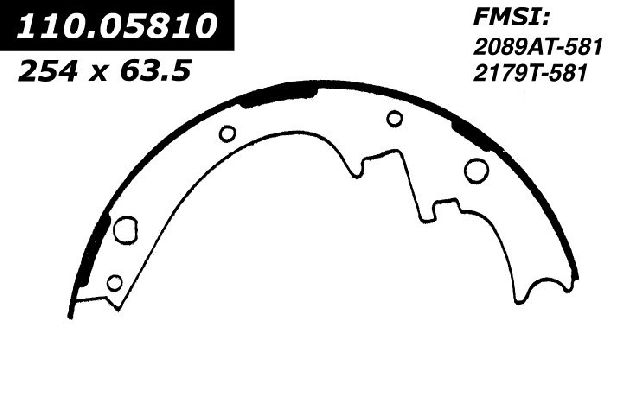
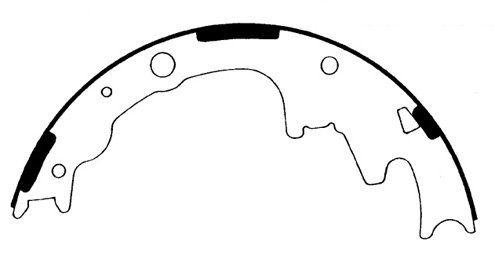
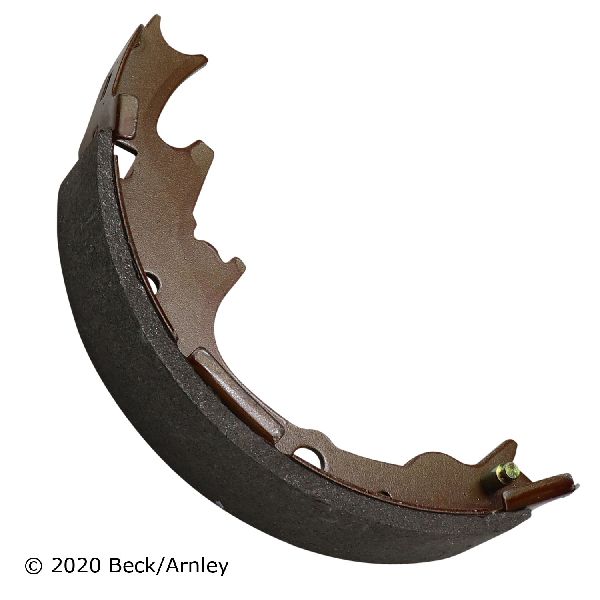
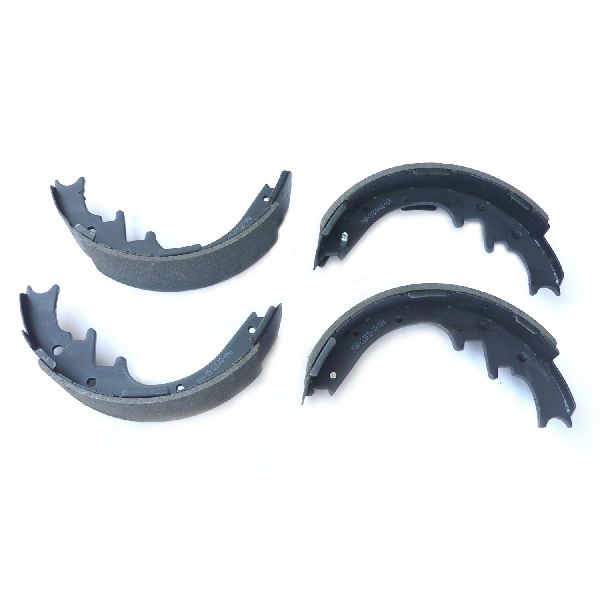
- Primary vs. Secondary Shoe: Drum brake systems use two different shoes per side. The shoe with the shorter block of friction material is the primary shoe and faces the front of the truck. The shoe with the longer block is the secondary shoe and faces the rear. Installing them backward will reduce braking performance.
- 9-inch vs. 10-inch Drums: Some B2300/Ranger models came with different-sized rear brakes. Before ordering, confirm if you have 9-inch or 10-inch drums to ensure you get the correct shoes.
Estimated Costs
| Part Type | Price Range |
|---|---|
| New Aftermarket Shoes | $39.40 - $83.97 |
| Brake Drums (Pair, Recommended) | $60 - $120 |
| Hardware Kit | $10 - $25 |
| Shop Labor | $180 - $300 |
Frequently Asked Questions
How often should I replace my drum brake shoes?
There's no set interval. Drum shoes can last anywhere from 30,000 to over 100,000 miles depending on your driving habits. They should be inspected whenever you rotate your tires and replaced when the friction material is worn down to the minimum thickness (usually around 1/16th of an inch or 1.5mm).
Can I just replace the shoes and not the drums?
Yes, if the drums are in good condition with a smooth surface and no deep grooves or signs of overheating (blue spots). However, it is best practice to at least have the drums resurfaced or to replace them when you install new shoes to ensure proper break-in and performance.
What's the difference between bonded and riveted shoes?
Bonded shoes have the friction material glued to the metal backing, while riveted shoes use metal rivets. Almost all modern aftermarket shoes for the B2300 are bonded. They offer more usable friction material and are generally quieter than riveted designs.
Is this a good DIY job?
Replacing drum brakes is more complex than disc brakes due to the number of springs and clips. However, it is a manageable job for a patient DIYer with basic tools. Always work on one side at a time, leaving the other side assembled as a reference.
Technical Specifications
OEM Part Numbers: F57Z-2200-A F57Z-2200-B
System uses a leading/trailing shoe design. The primary (leading) shoe has a shorter friction lining and faces the front of the vehicle. The secondary (trailing) shoe has a longer friction lining and faces the rear.
We Have This Part in Stock

The information in this article is provided for general reference and educational purposes only. Vehicle specifications, procedures, and part compatibility can vary by production date, trim level, and region. Always consult your vehicle's factory service manual and verify part numbers before purchasing or performing repairs. Safety-critical components such as airbags, seat belts, and braking systems should be installed by a qualified professional.
- Mazda B2300: