

Engine Coolant Temperature Sensor Guide for 1994-2000 Mazda B2300
Solve common engine problems like poor fuel economy and rough idling by understanding this critical sensor.
- A bad ECT sensor commonly causes poor fuel economy, a Check Engine Light, and rough running.
- The 1994-2000 B2300 is a Ford Ranger clone; Motorcraft is the OEM part brand.
- Distinguish between the two-wire ECT sensor (for the computer) and the one-wire sender (for the gauge).
- Replacement is simple, inexpensive, and a common fix for these specific engine problems.
Is a Failing Coolant Temperature Sensor Causing Your Truck's Problems?
The Engine Coolant Temperature (ECT) sensor is a small but mighty component in your 1994-2000 Mazda B2300. Because your truck is mechanically identical to a Ford Ranger, this sensor plays a key role in how the Ford-designed engine computer operates. When it fails, it can cause a surprising number of issues that might seem unrelated. It often sends false signals to the computer, making the engine behave as if it's always cold, even when it's fully warmed up. This can lead to poor performance and a frustrating driving experience.
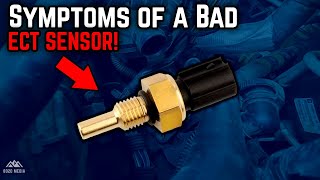
🎬 Watch this video to learn more about common ECT symptoms.Symptoms of a Bad ECT Sensor
- Poor Fuel Economy: If the sensor is stuck reading "cold," the ECU will continuously inject more fuel than necessary, drastically reducing your miles per gallon.
- Black Smoke from Exhaust: A rich fuel mixture that isn't burning completely can exit the tailpipe as black smoke.
- Check Engine Light: A faulty sensor will often trigger a Check Engine Light. Common trouble codes include P0117 (Circuit Low), P0118 (Circuit High), and P0125 (Insufficient Temp for Closed Loop).
- Rough Idle: An incorrect air-fuel mixture can cause the engine to idle roughly or shake.
- Hard Starting: The engine may be difficult to start, especially when it's already warm, because the ECU is providing the wrong fuel mixture.
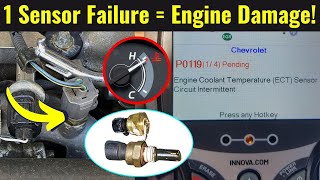
- Erratic Temperature Gauge: The gauge on your dashboard might read incorrectly, stay on cold, or fluctuate wildly. 🎬 See how a faulty sensor affects the B2300 temperature gauge. Note that some models have a separate sender for the gauge and a sensor for the ECU.
Pro Tip: Your Mazda is a Ford
The 1994-2000 Mazda B2300 is a rebadged Ford Ranger. This means that parts, including engine sensors, are often interchangeable. The original equipment (OEM) brand for your truck is actually Ford's Motorcraft. When looking for information or parts, searching for the equivalent Ford Ranger model can provide more results.
Choosing the Right Aftermarket ECT Sensor
For a vehicle of this age, a quality aftermarket sensor provides excellent value. The OEM Motorcraft part is a benchmark, but several aftermarket brands offer reliable alternatives. Here’s a breakdown of the available brands to help you choose.
Brand Quality Tiers
- Premium Brands (High-Quality): NGK/NTK and Standard Ignition (SMP) are well-regarded in the industry for producing reliable sensors that meet or exceed OEM specifications. They often feature robust construction and are 100% factory tested. These are a solid choice for owners wanting peace of mind and long-term reliability.
- Standard Brands (Good Value): Brands like Walker Products and Holstein offer a good balance of quality and price. They are dependable replacements for a daily driver and a popular choice for budget-conscious repairs.
- Economy Brands: Brands such as Four Seasons and Global Parts Distributors are often the most affordable. While they can get the job done, they are sometimes seen as entry-level options. Four Seasons is primarily known for climate control parts, so their sensors may be re-branded from another manufacturer.
| Part Type | Typical Price Range |
|---|---|
| New OEM (Mazda/Motorcraft) | $45 - $65 |
| New Aftermarket | $15 - $30 |
| Shop Labor for Installation | 🎬 Check out this breakdown of sensor symptoms and replacement costs.$50 - $100 |
Common Ordering Mistake: Sensor vs. Sender
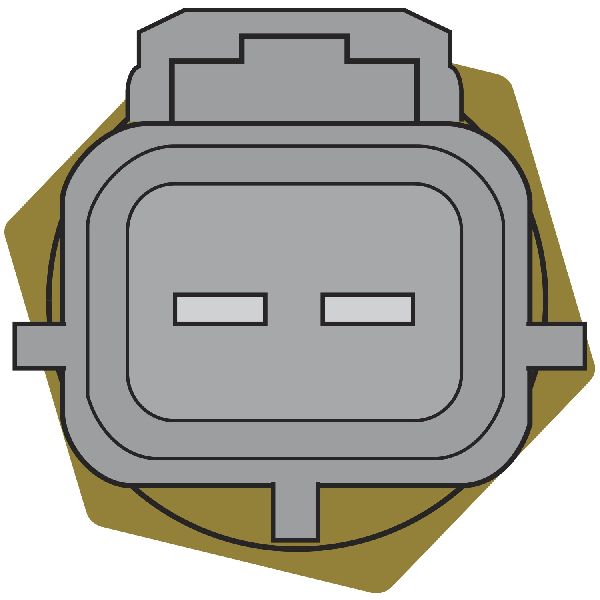
Many B2300/Ranger models from this era have two temperature units. One is the two-wire ECT Sensor for the engine computer (ECU), and the other is a one-wire Temperature Sender for the dashboard gauge. They are not interchangeable. The ECT sensor is the part that affects engine performance. Make sure you are ordering the correct part for the problem you're trying to solve.
Frequently Asked Questions (FAQ)
Where is the ECT sensor located on my 1994-2000 Mazda B2300?
On the 2.3L engine, the ECT sensor is typically located on or near the intake manifold, often between the #1 and #2 runners, or near the thermostat housing. It can be difficult to see, sometimes located under the intake. You will need to locate the two-wire electrical connector to identify it.
Is this a difficult part to replace myself?
No, this is a very DIY-friendly job for most home mechanics. The replacement process is straightforward and typically takes less than 30 minutes. You will need basic hand tools, and it's a good idea to replace the sensor when the engine is cold to avoid getting burned by hot coolant.
Do I need to drain the coolant to replace the sensor?
Yes, you should drain some coolant from the radiator before starting. Lowering the coolant level below the sensor's position will prevent a mess when you unscrew the old part. If you are quick, you can swap the sensors with minimal coolant loss, but it's best to be prepared.
Does the new sensor need thread sealant?
Many new sensors come with a thread sealant pre-applied. If your new sensor does not have sealant on the threads, it is a good practice to apply a small amount of automotive-grade thread sealant to ensure a leak-free seal. Do not use thread-locking compound.
Are there any recalls for this part?
There are no specific recalls on the Engine Coolant Temperature Sensor for the 1994-2000 Mazda B2300. Searches on the National Highway Traffic Safety Administration (NHTSA) database show recalls for this vehicle related to Takata airbags, but not for the ECT sensor.
Helpful Videos
Technical Specifications
OEM Part Numbers: B593-18-840A 8574-18-840 F6DZ10884AA F7DZ10884AA
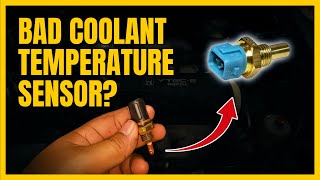
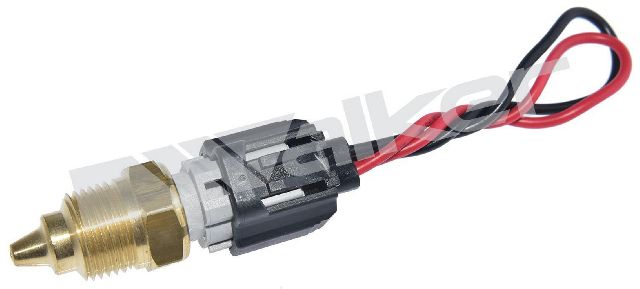
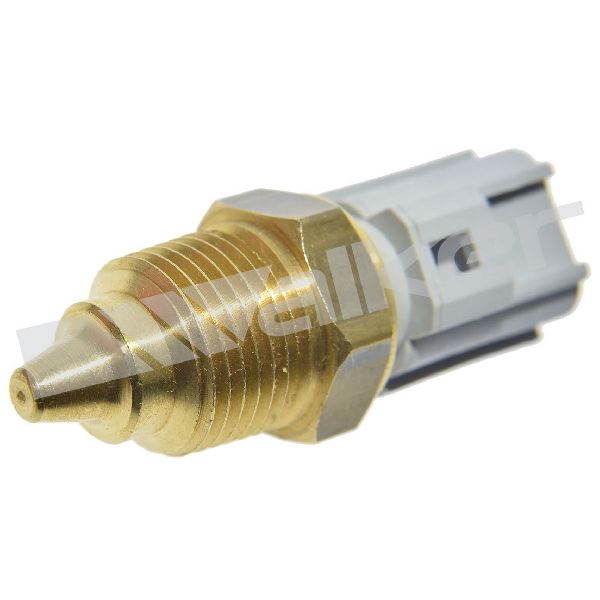
Two-pin, screw-in sensor responsible for sending coolant temperature data to the Engine Control Unit (ECU).
We Have This Part in Stock


The information in this article is provided for general reference and educational purposes only. Vehicle specifications, procedures, and part compatibility can vary by production date, trim level, and region. Always consult your vehicle's factory service manual and verify part numbers before purchasing or performing repairs. Safety-critical components such as airbags, seat belts, and braking systems should be installed by a qualified professional.
- Mazda B2300:
- 🎬 Helpful Videos
- 🛍️ Shop This Part
- Is a Failing Coolant Temperature Sensor Causing Your Truck's Problems?
- Symptoms of a Bad ECT Sensor
- Pro Tip: Your Mazda is a Ford
- Choosing the Right Aftermarket ECT Sensor
- Brand Quality Tiers
- Common Ordering Mistake: Sensor vs. Sender
- Frequently Asked Questions (FAQ)
- 🎟️ Get 5% Off