

Engine Coolant Temperature Sensor Guide for 1994-2000 Mazda B3000
Is your B3000 running rough, getting bad gas mileage, or overheating? Your Engine Coolant Temperature Sensor might be the problem.
- Verify you are buying the correct part; the two-wire ECT Sensor for the computer is different from the one-wire sender for the gauge.
- Symptoms of failure include a Check Engine Light, poor fuel economy, black smoke, and overheating.
- While replacing the sensor, it's a good time to also replace the thermostat and inspect the electrical connector for corrosion.
- Higher-quality aftermarket brands like NGK or Standard Ignition offer reliability comparable to OEM for this part.
Is Your Mazda B3000's Coolant Temp Sensor Failing?
A bad Engine Coolant Temperature (ECT) sensor can cause a surprising number of problems. Because the sensor's reading affects how much fuel the engine gets and when the spark plugs fire, a false signal can throw everything off. If the sensor wrongly tells the computer the engine is cold, the computer will enrich the fuel mixture, leading to poor mileage and black smoke. If it sends a false hot signal, or no signal at all, the engine may have trouble starting, run rough, or even overheat without warning.
Common Ordering Mistake
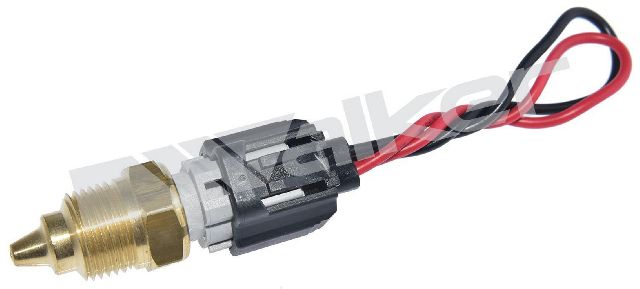
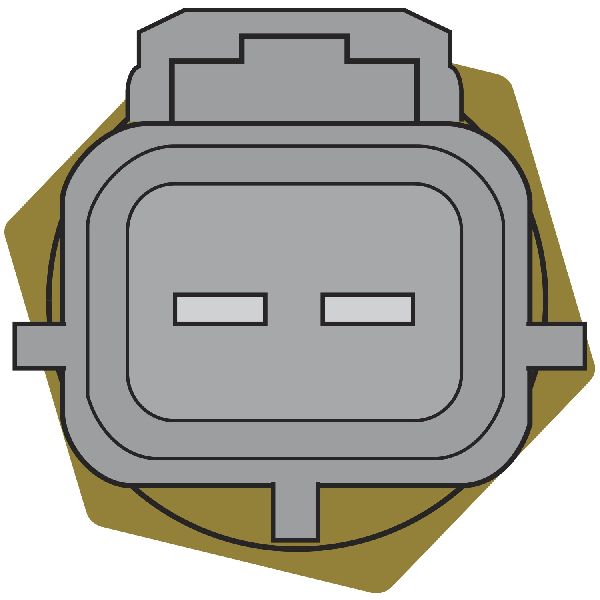
Your Mazda B3000 has two temperature sensors in the same area. The Engine Coolant Temperature (ECT) Sensor has a two-wire connector and sends information to the engine computer. The Coolant Temperature Sender has a single-wire connector and only runs the dashboard gauge. Make sure you are ordering the correct part for your issue. If you have a Check Engine Light and performance problems, you likely need the two-wire ECT Sensor.
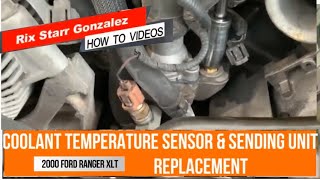
🎬 Watch: See the exact locations of both sensors on the 3.0L engine.Symptoms of a Bad ECT Sensor
- Check Engine Light: Often the first sign. Codes like P0115, P0117, or P0125 may be stored. 🎬 See how to test and replace a sensor for these codes.
- Poor Fuel Economy: If the sensor is stuck reading cold, the computer will inject too much fuel.
- Black Smoke from Exhaust: A sign of a rich fuel mixture caused by a faulty sensor reading.
- Engine Overheating or Running Cool: A bad sensor can prevent the cooling fans from turning on, or the temperature gauge may give inaccurate readings.
- Rough Idle and Poor Performance: The engine may stumble, hesitate, or feel sluggish because the fuel and timing adjustments are incorrect.
- Hard Starting: Especially when the engine is warm, an incorrect temperature reading can make it difficult to start.
Choosing the Right Aftermarket Sensor
For a critical sensor like the ECT, quality matters, but you don't necessarily need to buy from a dealership. Aftermarket brands offer a range of quality and price points that are suitable for the 1994-2000 B3000.
- Premium Aftermarket (e.g., NGK/NTK, Standard Ignition): These brands are well-regarded and are often OEM suppliers for many car manufacturers. They are known for high-quality materials and rigorous testing. Choosing one of these brands provides the highest level of confidence in the part's accuracy and longevity.
- Quality Standard Aftermarket (e.g., Walker Products, Holstein): These are established brands that produce reliable replacement parts. They offer a good balance of quality and value, making them a solid choice for most repairs on a vehicle of this age.
- Value Brands (e.g., Four Seasons, Global Parts): These brands provide a cost-effective solution. While they may not have the same reputation as premium brands, they can be a suitable option for a budget-conscious repair, especially for a simple sensor.
Pro Tip: Check the Connector!
Before installing a new sensor, inspect the wiring harness connector. Look for any green or white crusty corrosion, or broken plastic. A bad connection can mimic the symptoms of a failed sensor. If the connector is damaged, it should be replaced.
Cost of Replacing the Engine Coolant Temperature Sensor
| Part Type | Estimated Cost |
|---|---|
| New OEM (Ford/Motorcraft) | $21 - $35 |
| New Aftermarket | $15 - $30 |
| Shop Labor | $100 - $150 |
Frequently Asked Questions (FAQ)
Where is the ECT sensor located on a 1994-2000 Mazda B3000?
On the 3.0L V6 engine, the two-wire ECT sensor is located on the thermostat housing, underneath the upper intake manifold assembly. It is near the front of the engine, but access requires removing the air intake tube and potentially other components.
Can I replace the ECT sensor myself?
Yes, this is a DIY-feasible job for someone with basic mechanical skills. It involves removing the air intake components for access, unplugging the sensor, and unscrewing it with a deep socket. You will lose a small amount of coolant, so have a drain pan ready. The difficulty is rated about 2 out of 5.
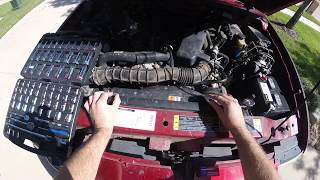
🎬 Watch this step-by-step walkthrough of the sensor installation process.Do I need a special tool to replace the ECT sensor?
No special tools are required. You will need a basic socket set with a deep socket (typically 19mm or 3/4"), a ratchet, and possibly screwdrivers or pliers for the intake hose clamps.
Should I replace the thermostat at the same time?
Since you are already working in the same area and will lose some coolant, it is a good idea to replace the thermostat and its gasket at the same time. A thermostat is an inexpensive part and replacing it as preventative maintenance can save you from future cooling system problems.
Helpful Videos


Technical Specifications
OEM Part Numbers: F5AZ-12A648-A 3F1Z-12A648-A ZZM1-18-707
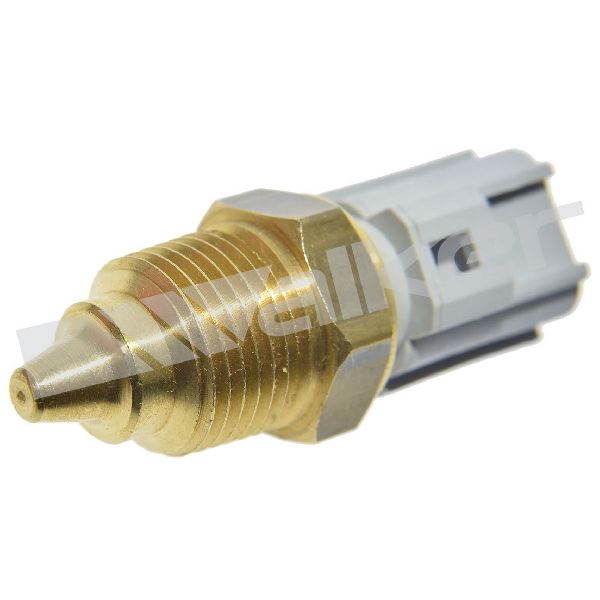
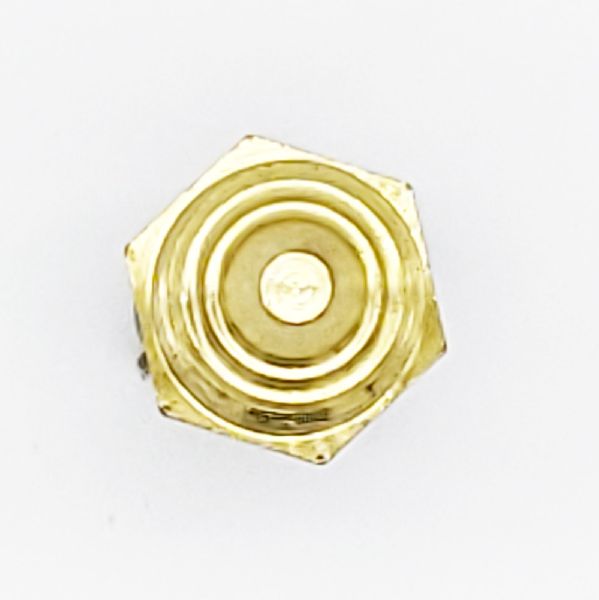
2-terminal sensor with a rectangular electrical connector and 3/8" pipe thread.
We Have This Part in Stock


The information in this article is provided for general reference and educational purposes only. Vehicle specifications, procedures, and part compatibility can vary by production date, trim level, and region. Always consult your vehicle's factory service manual and verify part numbers before purchasing or performing repairs. Safety-critical components such as airbags, seat belts, and braking systems should be installed by a qualified professional.
- Mazda B3000:
- 🎬 Helpful Videos
- 🛍️ Shop This Part
- Is Your Mazda B3000's Coolant Temp Sensor Failing?
- Common Ordering Mistake
- Symptoms of a Bad ECT Sensor
- Choosing the Right Aftermarket Sensor
- Pro Tip: Check the Connector!
- Cost of Replacing the Engine Coolant Temperature Sensor
- Frequently Asked Questions (FAQ)
- 🎟️ Get 5% Off