

Engine Coolant Temperature Sensor Guide for 1994-2000 Mazda B4000
Poor performance and bad fuel economy on your B4000 could be a faulty engine coolant temperature sensor.
- Your B4000 has two coolant temperature sensors; ensure you are replacing the correct one (the two-wire ECT sensor) for engine performance issues.
- Symptoms of failure include a Check Engine Light (P0117, P0118), poor fuel economy, black smoke, and rough idling.
- Replacement is DIY-friendly but requires removing the air intake and possibly the throttle body for access.
- Quality aftermarket brands like NGK or Standard Ignition offer reliable performance without the higher cost of an OEM part.
Is Your B4000 Running Rich or Idling Rough?
A failing Engine Coolant Temperature (ECT) sensor can cause a surprising number of problems in your 1994-2000 Mazda B4000. Because the sensor's reading affects fuel delivery, a common failure mode is the sensor telling the computer the engine is cold when it's actually warm. This causes the computer to inject too much fuel, leading to symptoms like poor gas mileage, black smoke from the exhaust, and a rough idle. In some cases, it can also cause hard starting, especially when the engine is already warm.
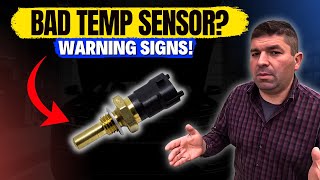
🎬 Watch: 8 common symptoms of a bad coolant temperature sensorTwo Sensors: A Common Point of Confusion
Your 4.0L engine has two very similar sensors that measure coolant temperature. It is critical to order and replace the correct one.
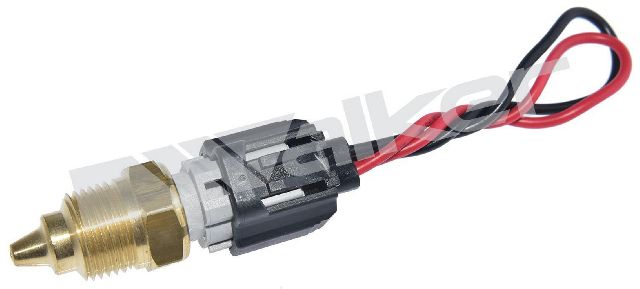
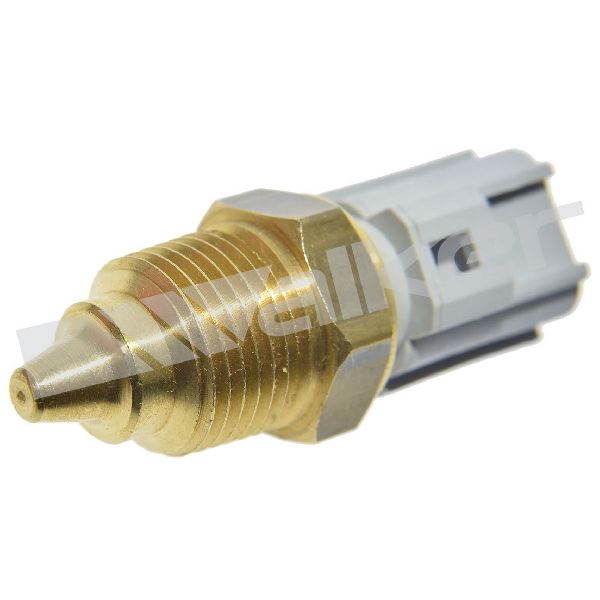
- Engine Coolant Temperature (ECT) Sensor: This is a two-wire sensor that sends information to the engine computer (ECU). A failure here causes performance issues and will trigger a Check Engine Light. This is the part this guide focuses on.
- Coolant Temperature Sender (or Sending Unit): This is typically a one-wire sensor that sends a signal only to the temperature gauge on your instrument cluster. If this part fails, your gauge will stop working correctly, but it will not affect how the engine runs.
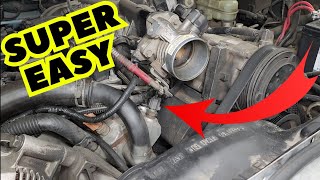
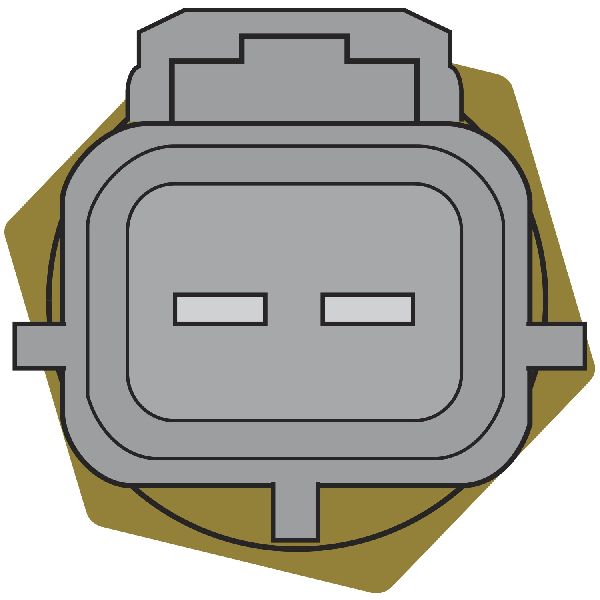
Before ordering, visually inspect the sensor you intend to replace. The ECT sensor for the computer is located on the thermostat housing, underneath the throttle body, and has a two-wire connector. The sender for the gauge is often nearby but has a different connector.
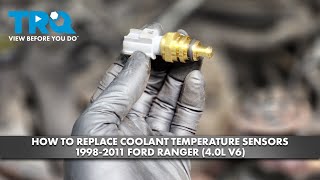
🎬 See this video to identify and replace both 4.0L sensorsChoosing the Right Aftermarket Sensor
For a vehicle of this age, a quality aftermarket sensor offers a great balance of performance and value. There is no need to pay a premium for a dealer part. Brands like NGK and Standard Ignition (SMP) have a strong reputation for producing reliable sensors that meet or exceed original specifications. Other brands offer a more budget-friendly option, but sticking with a well-known name is a good strategy for a critical sensor like the ECT.
| Brand Tier | Brands | General Quality Assessment |
|---|---|---|
| Premium Aftermarket | NGK, Standard Ignition (SMP) | Excellent reputation for reliability and using OE-quality materials and construction. Often a top choice for professional mechanics. |
| Standard Aftermarket | Walker Products, Holstein, Four Seasons | Generally considered reliable for most daily-driver applications. These brands provide good value and are widely available. |
| Economy | Global Parts, various store brands | These are the most budget-friendly options. While functional, they may not have the same long-term durability or precise calibration as premium brands. |
Known Issues, Recalls, and TSBs
Searches for official recalls or Technical Service Bulletins (TSBs) from Mazda or the NHTSA did not find any specific issues related to the Engine Coolant Temperature Sensor for the 1994-2000 Mazda B4000. Any recalls found for this vehicle range relate to other components, such as airbags or brake master cylinders.
Frequently Asked Questions (FAQ)
Where is the ECT sensor located on the 1994-2000 Mazda B4000?
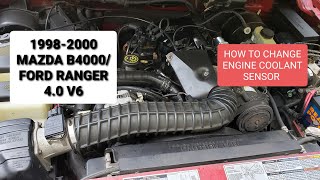
The ECT sensor for the computer is located on the thermostat housing, which is at the front of the engine. To access it, you will likely need to remove the plastic engine cover and the air intake tube connected to the throttle body. The sensor is threaded into the housing, usually underneath the throttle body assembly.
Is this a difficult part to replace myself?
For a DIY mechanic with basic tools, this is a very feasible job. The main challenge is access. You will need to remove the air intake hose and possibly the throttle body to get a wrench on the sensor. The difficulty is low, but it requires some patience. 🎬 Watch this step-by-step walkthrough for the Mazda B4000 Remember to partially drain the coolant before starting to avoid a mess.
What tools are needed to replace the B4000 ECT sensor?
You will need a basic socket set (8mm and 10mm are common for the intake parts), a deep socket or wrench for the sensor itself (often 19mm or 3/4"), pliers, and a flat-blade screwdriver. A drain pan for the coolant is also essential.
Do I need the sensor or the sender?
If you have a Check Engine Light and engine performance problems (bad mileage, rough idle), you need the ECT sensor. If your temperature gauge on the dashboard is not working but the truck runs fine, you need the temperature sender.
Helpful Videos
Technical Specifications
OEM Part Numbers: F5AF-12A648-AA
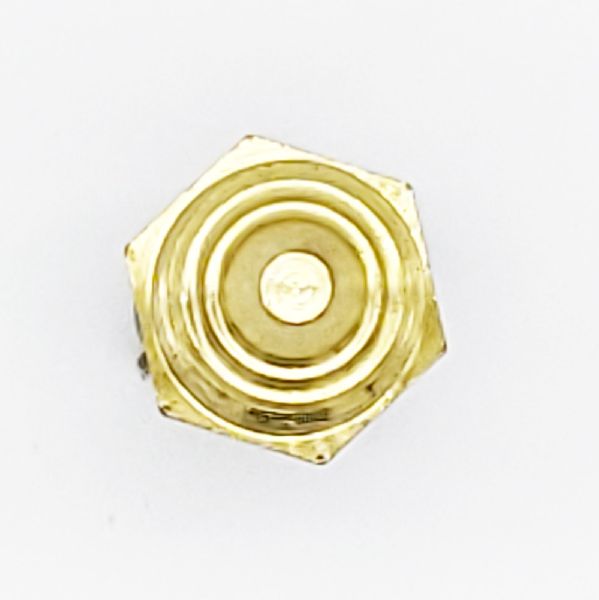
Two-wire, threaded sensor for engine computer (ECU) input. Not to be confused with the single-wire sender for the dashboard gauge.
We Have This Part in Stock


The information in this article is provided for general reference and educational purposes only. Vehicle specifications, procedures, and part compatibility can vary by production date, trim level, and region. Always consult your vehicle's factory service manual and verify part numbers before purchasing or performing repairs. Safety-critical components such as airbags, seat belts, and braking systems should be installed by a qualified professional.
- Mazda B4000: