

Choosing the Right Aftermarket Brake Pads for Your 1994-2000 Mercury Sable
Restore your Sable's stopping power by selecting the best new aftermarket brake pads for your driving needs.
- For most 1994-2000 Sable owners, quality aftermarket ceramic pads from brands like Bosch, Wagner, or Akebono offer the best mix of quiet performance and low dust.
- Always inspect your brake rotors when changing pads. It's often best to replace them at the same time for optimal performance and safety.
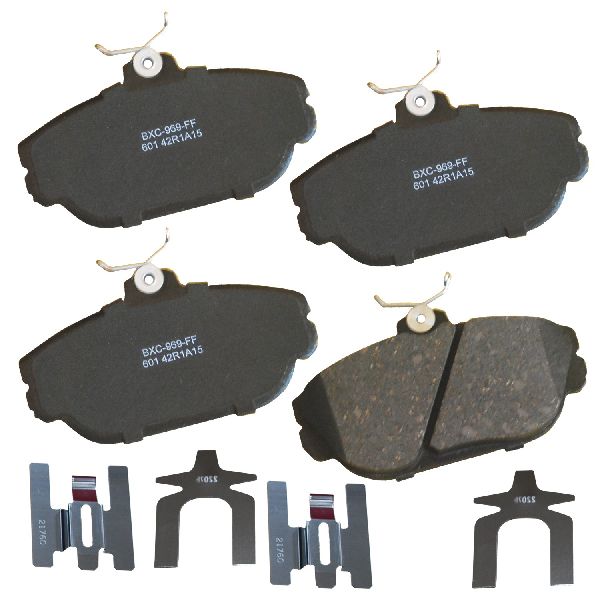
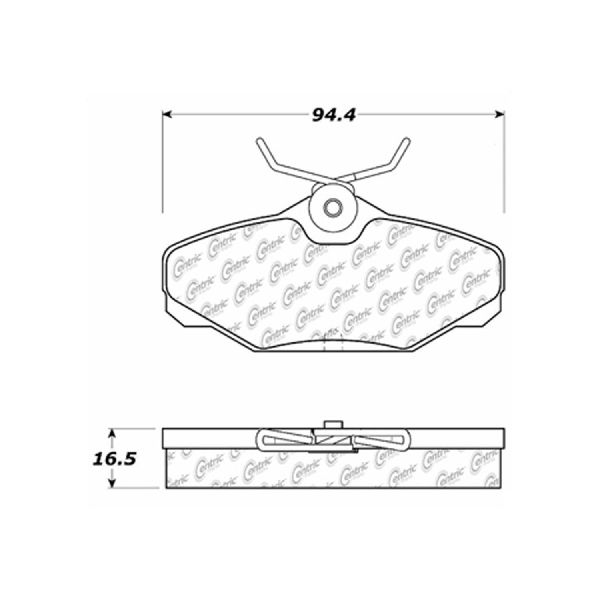
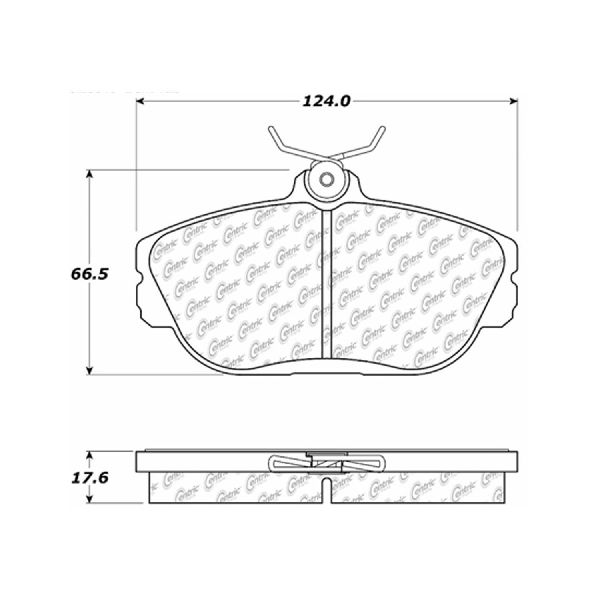
- Front and rear brake pads are not interchangeable; they are different parts and must be purchased separately.
- While no recalls exist for the pads themselves, be aware of a 2000 model year recall for the brake light switch, a critical safety component.
Signs of Worn Brake Pads
Noticing changes in your car's braking is the first step. If your 1994-2000 Mercury Sable is showing any of these signs, it's likely time for a new set of brake pads.
- Squealing or Screeching Noises: This is the most common sign. A small metal tab, called a wear indicator, makes contact with the rotor when the pads are thin, creating a high-pitched squeal as a warning.
- Grinding Sounds: If you hear a deep, metallic grinding or growling, stop driving as soon as it's safe. This means the brake pads are completely worn away, and the metal backing plate is grinding against the rotor, causing serious damage.
- Vibration in the Steering Wheel or Pedal: If you feel a shaking or pulsing when you apply the brakes, it could mean your brake rotors are warped. This often happens alongside worn pads.
- Longer Stopping Distances: If your car takes longer to stop than it used to, your brake pads may be too worn to provide effective friction.
Choosing the Right Aftermarket Pads for Your Sable
For a vehicle like the 1994-2000 Mercury Sable, original equipment (OEM) parts from Ford are likely expensive and hard to find. The good news is that aftermarket brands offer excellent quality, often exceeding the original specifications. The main choice you'll make is the pad material: ceramic or semi-metallic.
| Pad Material | Best For | Pros | Cons |
|---|---|---|---|
| Ceramic | Daily Commuting & Comfort | Quiet operation, low brake dust, long life, gentle on rotors. | Higher initial cost, may not perform as well in extreme cold until warmed up. |
| Semi-Metallic | Performance & All-Weather | Excellent stopping power, great heat dissipation, more affordable. | Can be noisier, produces more dust, wears rotors faster. |
Pro Tip: For the typical Mercury Sable owner who uses their car for daily driving, a quality set of ceramic brake pads is usually the best choice. They offer a great balance of quiet, clean, and reliable stopping power. Brands like Bosch, Akebono, and Wagner are well-regarded choices.
Brand Quality Tiers
With so many brands available, it can be confusing. Here’s a general breakdown to help you choose:
- Premium Brands (Akebono, Brembo, EBC Brakes, Bosch): These brands often represent the highest quality in aftermarket parts. They use advanced materials and engineering for superior performance, quietness, and longevity. They are an excellent choice if you want the best performance and don't mind a higher price point.
- Daily Driver Brands (Wagner, Raybestos, Centric, Powerstop): This is the sweet spot for most Sable owners. These brands provide reliable, quality pads that meet or exceed OEM standards without the premium price tag. They offer a great mix of performance and value for everyday use.
- Economy Brands (Pronto, Dynamic Friction, Total Stopping Solutions): These are budget-friendly options that will get the job done. While they meet safety standards, they may not last as long, be as quiet, or keep your wheels as clean as the more expensive options.
Known Issues, Recalls, or TSBs
Searches for the 1994-2000 Mercury Sable did not reveal any specific recalls or Technical Service Bulletins (TSBs) directly related to the disc brake pads themselves. However, a recall was issued for the 2000 model year (and later) for a malfunctioning stop lamp switch, which could cause the brake lights to fail or stay on. While this doesn't affect the pads' performance, it is a critical safety issue for the brake system as a whole. There are no widespread, documented problems specific to aftermarket brake pad fitment or performance on this generation of Sable.
Frequently Asked Questions (FAQ)
Do I need to replace my rotors with my brake pads?
It's highly recommended. At a minimum, rotors should be inspected for thickness and warping. If they are below the minimum thickness, have a warped surface (which causes vibration), or have deep grooves, they must be replaced. Installing new pads on old, worn rotors can reduce braking performance and cause noise.
Are front and rear brake pads the same?
No. The front and rear brake pads on a Mercury Sable are different shapes and sizes and have different part numbers. The front brakes do most of the stopping, so they are larger and wear out faster than the rear brakes.
What is "bedding in" new brake pads?
Bedding-in is the process of breaking in your new pads and rotors. It involves a series of controlled stops to transfer an even layer of friction material from the pads to the rotors. This ensures smooth, quiet, and powerful braking. Most manufacturers provide specific instructions, but it typically involves several moderate stops from around 40-50 mph without coming to a complete stop.
Can I install brake pads myself?
Yes, replacing brake pads is a common DIY job for those with mechanical experience and the right tools. However, because brakes are a critical safety system, if you are not 100% confident, it is best to have the work done by a certified mechanic. You will need a jack, jack stands, a lug wrench, a C-clamp or piston compressor tool, and a basic socket set.
Technical Specifications
The primary choice is between ceramic and semi-metallic friction materials. Most 1994-2000 Mercury Sables use single-piston sliding calipers for the front disc brakes. Some models may have rear disc brakes, while others have rear drum brakes, so confirm your vehicle's specific setup before ordering parts.
We Have This Part in Stock

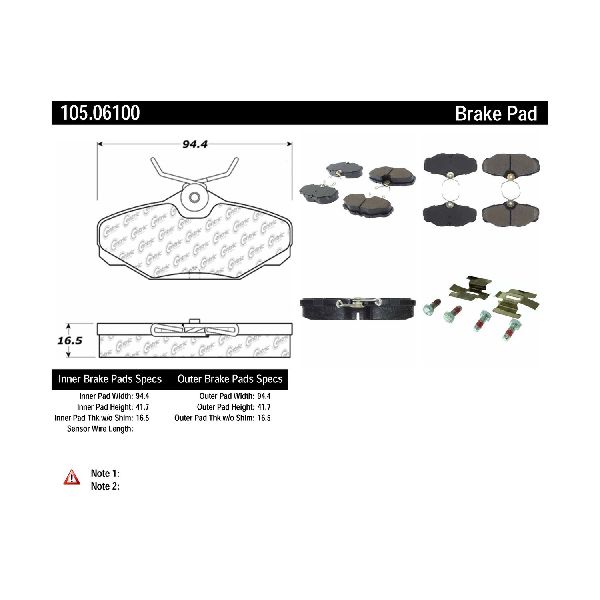

The information in this article is provided for general reference and educational purposes only. Vehicle specifications, procedures, and part compatibility can vary by production date, trim level, and region. Always consult your vehicle's factory service manual and verify part numbers before purchasing or performing repairs. Safety-critical components such as airbags, seat belts, and braking systems should be installed by a qualified professional.
- Mercury Sable: