

A Nissan Maxima Owner's Guide to Radiator Replacement (1994-2000)
Keep your Maxima's VQ30DE engine from overheating by choosing the right new aftermarket radiator.
- The most common failure is a crack in the plastic end tanks, leading to coolant leaks.
- Verify if your Maxima has a manual or automatic transmission before ordering; the radiators are different.
- For reliability, choose a well-regarded aftermarket brand like Denso, Koyorad, or CSF.
- Always replace the radiator cap, hoses, and thermostat along with the radiator to ensure a complete repair.
Common Radiator Problems in the A32 Maxima
If you own a 1994-2000 Nissan Maxima, known as the A32 chassis, the most common radiator failure is not the metal part, but the plastic. Over many years and heat cycles, the plastic tanks on the top and bottom of the radiator become brittle. They often develop hairline cracks, especially where the plastic is crimped to the aluminum core. This allows coolant to leak out, which is the number one cause of overheating in these cars.
Is Your Maxima's Radiator Failing?
Look for these clear warning signs:
- Engine Overheating: The temperature gauge on your dashboard climbs into the red zone.
- Coolant Puddles: You find bright green or pink fluid on the ground under the front of your car.
- Low Coolant: The coolant level in the white plastic overflow tank is always low, even after you top it off.
- Visible Leaks or Cracks: You can see coolant stains or obvious cracks on the black plastic parts 🎬 Watch: How to find a hidden radiator leak of the radiator.
- Steam from Engine Bay: If you see steam coming from under the hood, pull over immediately.
Choosing the Right Aftermarket Radiator
The original factory (OEM) radiators for this generation of Maxima are largely discontinued and were very expensive when available. The good news is that many aftermarket brands offer quality replacements that meet or exceed original standards. For a car of this age, a quality aftermarket part is the most logical and cost-effective choice. Here’s how the available brands generally stack up:
- OEM-Quality Tier (Recommended): Brands like Denso, Koyorad, and CSF are frequently recommended by Maxima owners in forums. Denso was an original equipment supplier for many Japanese cars, and both Koyorad and CSF have a strong reputation for fit and reliability. These are excellent choices for a stock daily driver.
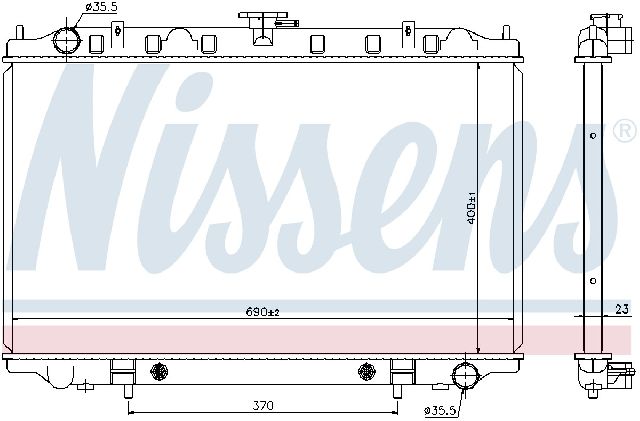
- Standard Tier: Brands like Spectra, Nissens, and APDI are popular, widely available options. They offer a balance of quality and price and often come with a good warranty. For many owners, these radiators will provide years of reliable service.
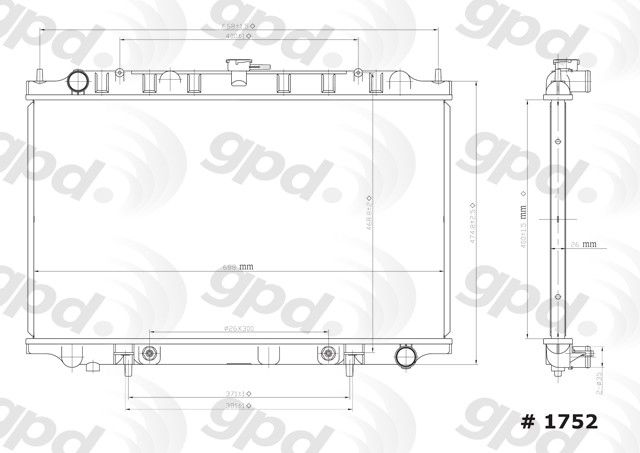
- Economy Tier: Brands like Global Parts, One Stop Solutions, and Onix fall into the budget category. While they are the most affordable, pay close attention to the warranty and be aware that some cheaper radiators may have a thinner core than the original, which could reduce cooling efficiency.
Pro Tip: Manual vs. Automatic Transmission
This is the most common ordering mistake. Radiators for automatic transmission Maximas have two extra ports at the bottom for cooling the transmission fluid. If you have an automatic, you MUST buy a radiator with these ports. If you have a manual, you can use a radiator made for an automatic; you just won't use the transmission cooler ports.
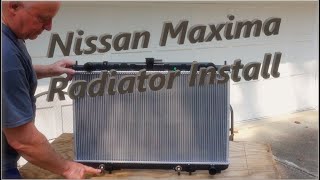
🎬 Watch: How to install a new radiatorHow Much Does a New Radiator Cost?
The cost to replace a radiator on a 1994-2000 Maxima depends on who does the work. The job is possible for a DIYer with basic tools.
| Item | Estimated Cost |
|---|---|
| New Aftermarket Radiator (Part Only) | $85 - $261 |
| Professional Shop Labor | $200 - $400 |
| Total Professional Installation | $285 - $661 |
Cost estimates are for the part and labor only. Prices can vary by location and shop. It's also wise to budget for new coolant, hoses, and a thermostat.
Frequently Asked Questions
Is this a difficult job to do myself?
For a mechanically inclined person, no. It is considered a straightforward DIY job. You will need basic tools like a 10mm socket, pliers, and a drain pan. The main steps involve draining the coolant, disconnecting the hoses and fan connectors, unbolting the two top brackets, and lifting the radiator out. 🎬 See this step-by-step radiator replacement walkthrough Expect it to take 2-4 hours if it's your first time.
Should I replace any other parts at the same time?
Yes, absolutely. To avoid future problems, you should always replace the radiator cap, upper and lower radiator hoses, and the thermostat when you install a new radiator. These parts are inexpensive and wear out over time. It's also a good time to inspect the small rubber mounting bushings the radiator sits on and replace them if they are cracked or worn.
What kind of coolant should I use?
For this generation of Maxima, a standard green-colored, ethylene glycol-based coolant is appropriate. The most important thing is to mix it 50/50 with distilled water, not tap water. Tap water contains minerals that can cause deposits and corrosion inside your new radiator.
Are there any recalls for the radiator on my Maxima?
No, there are no open recalls or common Technical Service Bulletins (TSBs) from Nissan for radiator issues on the 1994-2000 Maxima. Problems are typically due to the age and wear of the original part.
Helpful Videos
Technical Specifications
OEM Part Numbers: 21460-2Y000 21460-2Y600 21460-2Y607
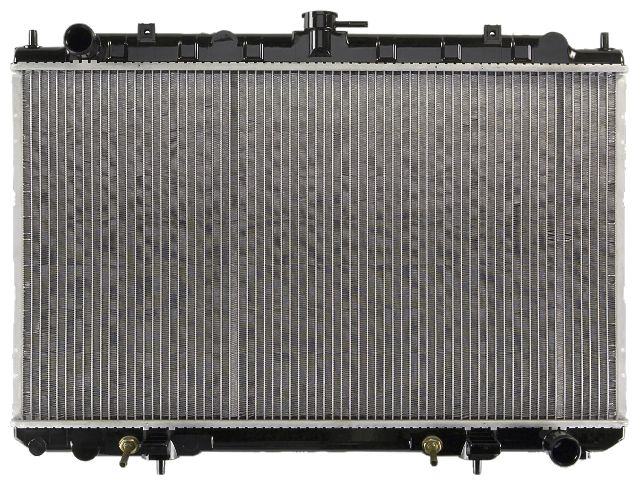
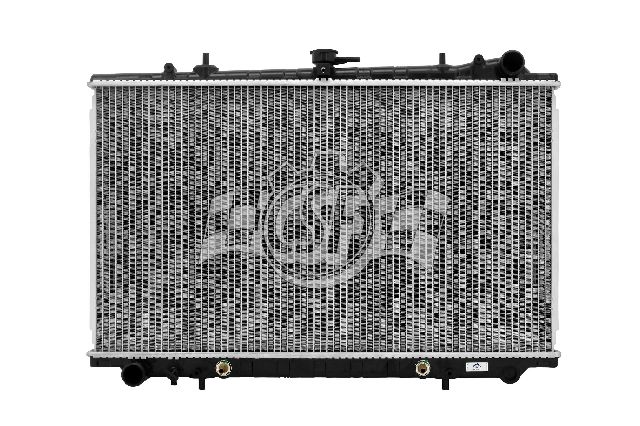
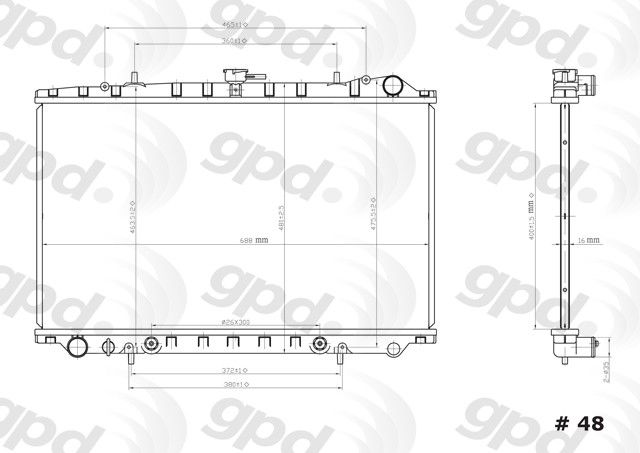
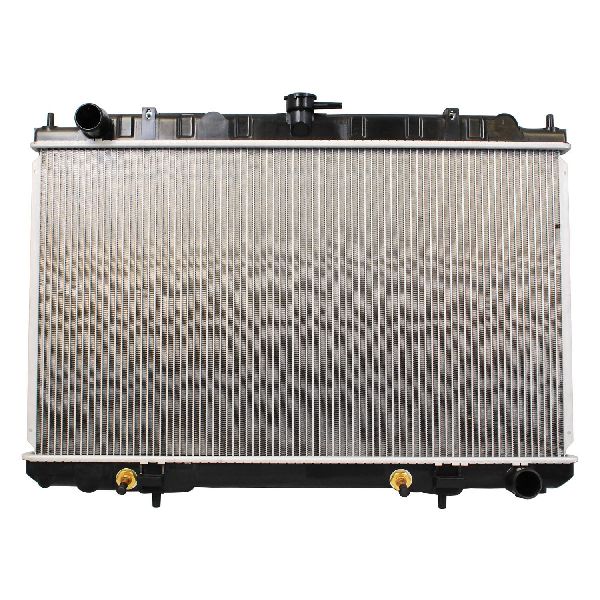
The key specification is the transmission type. Radiators for automatic transmissions include an integrated oil cooler with two additional hose fittings at the bottom of the unit. Manual transmission radiators do not have this feature. Core material is typically aluminum with plastic tanks.
We Have This Part in Stock

The information in this article is provided for general reference and educational purposes only. Vehicle specifications, procedures, and part compatibility can vary by production date, trim level, and region. Always consult your vehicle's factory service manual and verify part numbers before purchasing or performing repairs. Safety-critical components such as airbags, seat belts, and braking systems should be installed by a qualified professional.
- Nissan Maxima: