

A Comprehensive Guide to 1994-2000 Volkswagen Jetta Fuel Injectors
Restore your Jetta's performance and fuel economy by understanding and replacing faulty fuel injectors.
- Symptoms often include a rough idle, poor gas mileage, and a Check Engine Light with misfire codes (P0300-P0304).
- Replacing injectors as a complete set is recommended for balanced performance and long-term reliability.
- For this Jetta generation, new aftermarket injectors from brands like Delphi or Standard Ignition offer a reliable alternative to more expensive OEM parts.
- Always verify the correct part for your specific engine (2.0L, VR6, or TDI diesel) before purchasing.
Symptoms of a Failing Fuel Injector
A bad fuel injector in your 1994-2000 Jetta can cause a range of issues. You might notice your engine running rough, shaking, or vibrating, especially when you're stopped at a light. Other common signs include a noticeable drop in gas mileage, hesitation or stumbling when you accelerate, and difficulty starting the engine. A strong smell of raw fuel from the engine bay is a serious symptom that could indicate a leak. Often, a failing injector will trigger the Check Engine Light, storing trouble codes like P0300 through P0304 for cylinder-specific misfires.
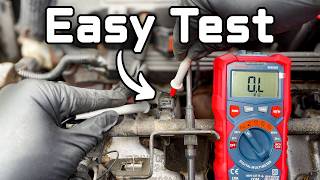
🎬 Watch: How to test fuel injectors with a multimeterChoosing the Right Aftermarket Fuel Injector
When replacing your Jetta's fuel injectors, you have several options. While OEM (Original Equipment Manufacturer) parts are available, high-quality aftermarket parts can offer a great balance of performance and value. For this generation of Jetta, the fuel injection system is a standard multi-port design, which is less complex than the direct injection systems in newer models. This means reliable aftermarket options are widely available.
Aftermarket Brand Tiers
| Brand | Quality & Reputation | Notes for Jetta Owners |
|---|---|---|
| Delphi | High-Quality OEM Supplier | Delphi is a well-regarded manufacturer with a long history of producing OEM parts for many car brands. Their injectors are known for reliability and are considered a top-tier aftermarket choice, often matching factory performance. |
| Standard Ignition (Standard Motor Products) | Reputable Aftermarket | Standard is a long-standing brand in the aftermarket world. They offer parts that are a reliable alternative to OEM, providing a good balance of quality and cost. |
| GBR Fuel Injection (GB Remanufacturing) | Remanufactured / Budget-Friendly | GBR specializes in remanufactured injectors. While this is the most budget-friendly option, quality can be inconsistent. Some users report success, while others have experienced premature failures or out-of-the-box issues. This is a higher-risk option compared to new injectors from Delphi or Standard. |
A Note on Remanufactured Parts
While remanufactured injectors from brands like GBR Fuel Injection are tempting due to their low price, they come with risks. Multiple owner experiences across different vehicle forums report issues like injectors being faulty right out of the box or failing after only a few months. For a critical component like a fuel injector, investing in a new part from a reputable brand like Delphi or Standard is often the safer, more reliable long-term solution.
Known Issues, Recalls, or TSBs
Searches for the 1994-2000 Volkswagen Jetta did not reveal any specific fuel injector recalls or Technical Service Bulletins (TSBs) from the NHTSA. Recalls found for VW fuel rails and injectors (24Gi) apply to much newer models, such as the 2016-2018 Jetta, and are not relevant to the Mk3 and early Mk4 generations.
Frequently Asked Questions (FAQ)
Can I replace just one fuel injector, or should I replace all of them?
If one injector has failed due to age or clogging, the others are likely in similar condition. While you can replace just the single failed injector to fix an immediate problem, it is best practice to replace them as a full set. This ensures balanced fuel delivery across all cylinders and prevents you from having to repeat the repair when the next old injector fails.
Is replacing Jetta fuel injectors a DIY job?
For a mechanically inclined DIYer, yes. The process involves relieving fuel pressure, removing the intake manifold, disconnecting the fuel rail, and swapping the injectors. It requires care, especially when working with gasoline. You will also need new O-rings for the injectors and likely new intake manifold gaskets. If you are not comfortable working with the fuel system, it's best to leave this job to a professional mechanic.
🎬 See this step-by-step guide for installing Jetta fuel injectorsWhat are the most common mistakes when ordering this part?
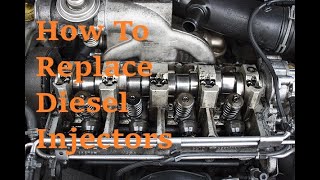
The biggest mistake is ordering the wrong injector for your specific engine. The 1994-2000 Jetta came with different engines (e.g., 2.0L 4-cylinder, 2.8L VR6, 1.9L TDI diesel). 🎬 Watch: How to replace injectors on a 1.9L diesel engine Each requires a different fuel injector. Always verify the part number and compatibility with your vehicle's engine before purchasing.
What is an O-ring and why is it important?
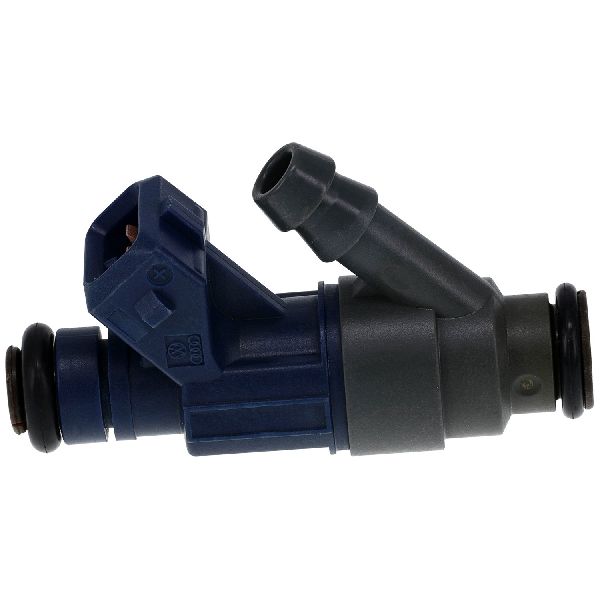
An O-ring is a small rubber seal at the top and bottom of the fuel injector. These seals prevent fuel from leaking out of the fuel rail and prevent air from leaking into the engine at the injector base. It is critical to replace these O-rings whenever you replace an injector to prevent dangerous fuel leaks and performance issues. Lightly lubricating the new O-rings with clean motor oil or silicone lubricant helps them seat properly during installation.
Helpful Videos
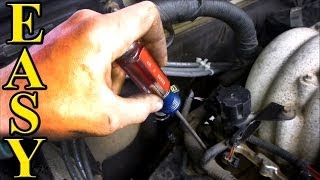
Technical Specifications
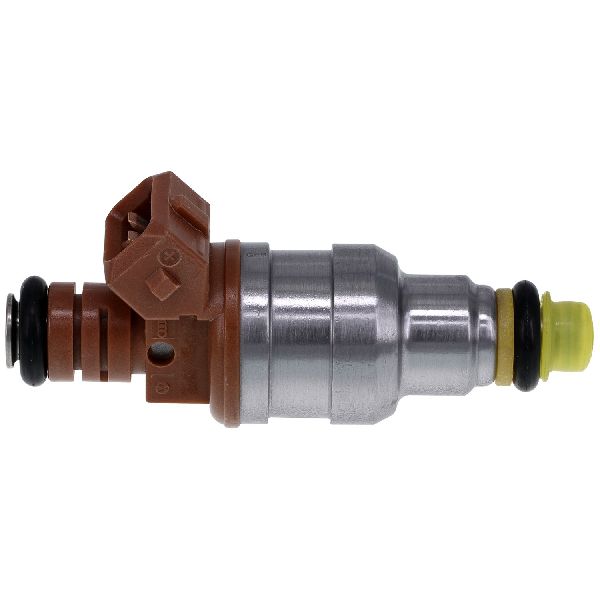
OEM Part Numbers: 0280150953
This vehicle generation uses a multi-port fuel injection (MPFI) system, not a direct injection (GDI/TSI) system. Injectors are typically high-impedance and mount into a fuel rail over the intake manifold ports.
We Have This Part in Stock


The information in this article is provided for general reference and educational purposes only. Vehicle specifications, procedures, and part compatibility can vary by production date, trim level, and region. Always consult your vehicle's factory service manual and verify part numbers before purchasing or performing repairs. Safety-critical components such as airbags, seat belts, and braking systems should be installed by a qualified professional.
- Volkswagen Jetta: