

A Guide to Replacing the Radiator in Your 1994-2001 Chevrolet C1500
Keep your Chevy's engine cool and prevent breakdowns by choosing the right new radiator.
- The most common failure is a leak where the plastic side tanks meet the aluminum core.
- Before ordering, measure your radiator core's width. It will be either ~28 inches or 34 inches.
- Replacing hoses and the thermostat at the same time is a smart and inexpensive preventative measure.
- For most owners, a quality aftermarket brand like ACDelco or Spectra offers the best balance of price and reliability.
Signs of a Failing Radiator in Your C1500
Radiators on the 1994-2001 C1500 often fail with age. The most common issue is the plastic side tanks developing leaks where they are crimped to the aluminum core. Look for these clear warning signs:
- Engine Overheating: The temperature gauge on your dash climbing into the red is a critical warning. This can happen if the radiator is clogged internally or has a major leak.
- Visible Coolant Leaks: You may see puddles of brightly colored, sweet-smelling liquid (green, orange, or pink) under the front of your truck. Check for wetness or staining along the sides of the radiator where the plastic tanks meet the metal fins.
- Low Coolant Level: Frequently needing to add coolant to the overflow tank is a sure sign of a leak somewhere in the system.
- Sludge or Rusty Coolant: If you look inside the radiator and see thick, sludgy, or rusty-looking fluid, it means the coolant is old and has lost its protective properties. This can lead to internal clogs and reduced cooling efficiency.
Choosing the Right Aftermarket Radiator
When replacing the radiator on your C1500, you have several options. The original GM radiators were typically a plastic tank and aluminum core design. Aftermarket parts offer a range of quality and price points.
Pro Tip: Check Your Core Width Before Ordering!
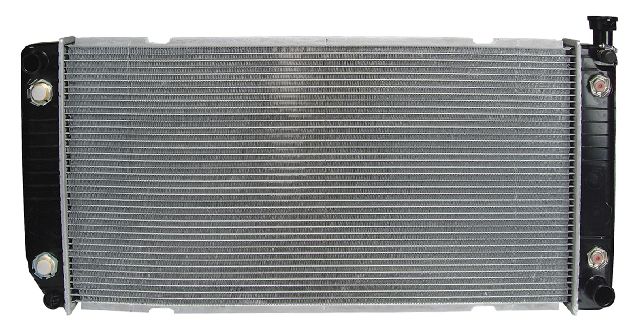
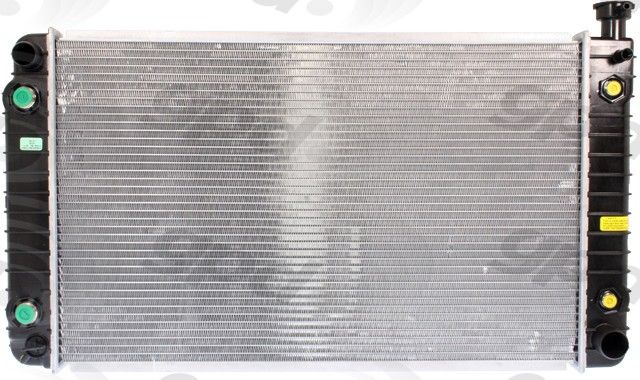
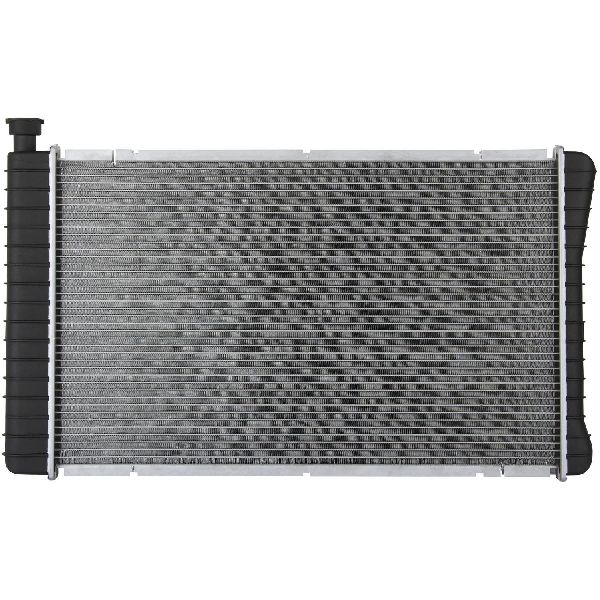
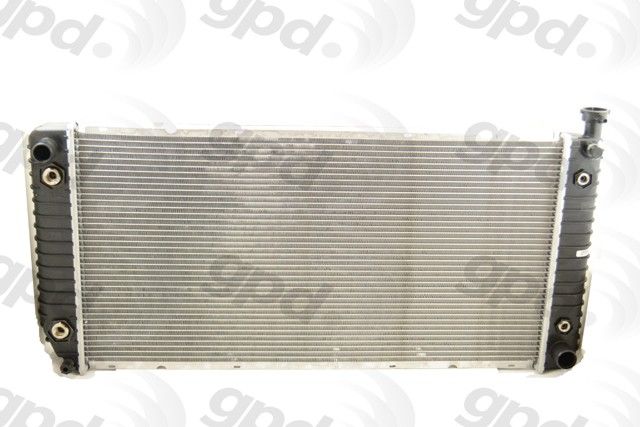
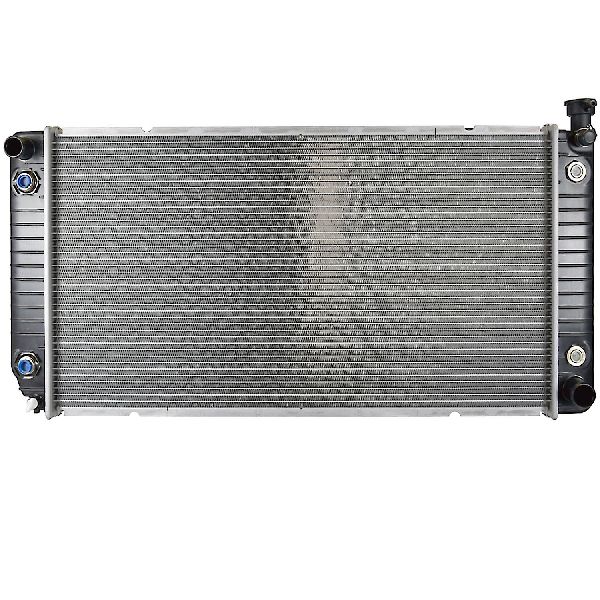
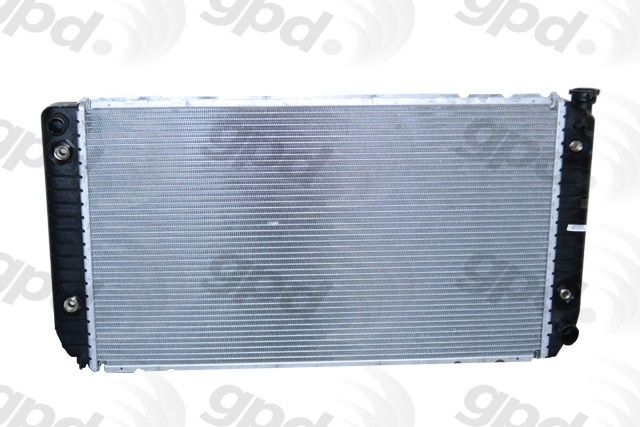
The 1994-2001 C1500 came with two different radiator sizes: a standard 28.25-inch wide core and a heavy-duty 34-inch wide core for trucks with enhanced cooling packages (often for towing). Measure the width of your radiator's finned core area before you buy a replacement to ensure a perfect fit. Using the wrong size will require changing the fan shroud and possibly hoses.
Aftermarket Brand Tiers
Not all aftermarket brands are created equal. Here’s how they generally stack up for your truck:
- OE-Equivalent Brands (Good Quality): Brands like ACDelco (the original GM parts supplier), Denso, and Spectra Premium are popular choices that offer good fit and reliable performance for daily driving. They are designed to meet or exceed original factory specifications. While some forum users have reported occasional issues with brands like Spectra, they are generally considered a solid, affordable choice.
- Economy Brands (Value-Focused): Brands such as APDI, Global Parts, One Stop Solutions, and Onix typically fall into the value category. They offer a low-cost solution to get your truck back on the road, but may not have the same long-term durability as higher-priced options.
- Performance & Heavy-Duty Brands (Upgrade): For those who tow frequently, live in hot climates, or want an upgrade, brands like Mishimoto, Frostbite, and Koyorad offer all-aluminum radiators. These often feature welded tanks instead of crimped plastic ones, offering superior durability and improved cooling capacity. Forum discussions suggest Koyorad has a strong reputation for quality engineering, while Mishimoto is sometimes seen as more marketing-focused.
Radiator Replacement Cost for 1994-2001 Chevrolet C1500
The cost can vary significantly based on the part you choose and whether you do the work yourself. The job is feasible for a DIYer with basic tools.
| Item | Estimated Cost |
|---|---|
| New Aftermarket Radiator | $27 - $375 |
| New OEM (ACDelco) Radiator | $200 - $450 |
| Shop Labor | $150 - $340 |
| Total Professional Replacement | $350 - $790 |
Frequently Asked Questions
Is replacing the radiator on a C1500 hard to do myself?
No, it's a relatively simple job for someone with basic mechanical skills and tools. The process involves draining the coolant, removing the fan shroud, disconnecting the upper and lower radiator hoses, and unbolting the transmission cooler lines. You should plan for about 1.5 to 3 hours.
Should I replace my radiator hoses and thermostat at the same time?
Yes, it is highly recommended. The cooling system is already drained, making it the perfect time to replace these inexpensive but critical parts. Old hoses can become soft or brittle and fail without warning, while a new thermostat ensures your engine warms up and operates at the correct temperature.
What kind of coolant should I use in my C1500?
These trucks originally used traditional green Inorganic Acid Technology (IAT) coolant. However, many have been switched to GM's orange Dex-Cool (Organic Acid Technology or OAT). It is critical NOT to mix coolant types. If you are unsure what is in your truck, it is best to completely flush the system and refill with a modern universal coolant that is compatible with all types, or stick with traditional green coolant.
Are there any recalls for the 1994-2001 C1500 radiator?
No, there are no active recalls or widespread Technical Service Bulletins (TSBs) from GM specifically for radiator failure on the 1994-2001 Chevrolet C1500. Failures are typically due to age and wear.
Technical Specifications
Core Material: Aluminum; Tank Material: Plastic; Core Widths: 28.25 in. or 34 in.
We Have This Part in Stock

The information in this article is provided for general reference and educational purposes only. Vehicle specifications, procedures, and part compatibility can vary by production date, trim level, and region. Always consult your vehicle's factory service manual and verify part numbers before purchasing or performing repairs. Safety-critical components such as airbags, seat belts, and braking systems should be installed by a qualified professional.
- Chevrolet C1500: