

Chrysler LHS Transmission Output Speed Sensor Guide (1994-2001)
Fixing limp mode and erratic speedometer issues in your LHS often starts with this one simple part.
- A failed output speed sensor is the most common cause of 'limp mode' (stuck in 2nd gear) on the 1994-2001 LHS.
- Symptoms almost always include an erratic or dead speedometer along with shifting problems.
- The replacement is very easy for a DIYer, taking less than 30 minutes with basic tools.
- For Chrysler electronics of this era, spending a few extra dollars on a reputable aftermarket brand like NGK/NTK or Standard Ignition is highly recommended over budget options for long-term reliability.
Is Your LHS Stuck in Second Gear?
A very common and frustrating problem for 1994-2001 Chrysler LHS owners is when the transmission suddenly goes into "limp mode." This safety feature forces the transmission to stay in second gear to prevent damage when a critical fault is detected. In many cases, the culprit is a failed automatic transmission output shaft speed sensor. This small electronic part is a known failure point on the 42LE transmission, but it's also straightforward to replace.
Symptoms of a Failing Output Speed Sensor
Because this sensor is essential for transmission control, the symptoms are hard to ignore. If you notice any of the following, your output speed sensor is a likely suspect:
- Transmission Stuck in "Limp Mode": The car will not shift out of second gear, causing high engine RPMs at normal road speeds. This is the most common symptom.
- Erratic or Dead Speedometer: The speedometer needle may bounce around, read incorrectly, or stop working completely.
- Harsh or Erratic Shifting: Before it fails completely, the sensor might cause the transmission to slam into gear, hesitate, or shift at the wrong times.
- Check Engine Light: A fault in the output sensor will trigger the check engine light. The most common trouble code is P0720 (Output Speed Sensor Circuit Malfunction).
- Cruise Control Inoperative: Since cruise control relies on an accurate speed signal, it will stop working when the sensor fails.
Input vs. Output Sensor
Your LHS has two transmission speed sensors that look similar but have different jobs. The input sensor failure usually causes shifting problems, but the speedometer will still work. A failed output sensor causes both shifting problems AND a non-working speedometer. This guide focuses on the output sensor.
Choosing the Right Aftermarket Sensor
When replacing a critical electronic part on these Chrysler models, the brand you choose matters. While very inexpensive options are available, they are known to have a higher failure rate, potentially leaving you stranded in limp mode again. For a part this important, it's wise to invest in a quality aftermarket brand.
Here’s a breakdown of the available brands, tiered by general reputation for sensors:
- Premium Aftermarket (Recommended): Brands like NGK (also sold as NTK) and Standard Ignition (Standard Motor Products/SMP) are well-regarded in the industry for producing reliable sensors that meet or exceed OEM specifications. They offer a good balance of quality and price, making them a smart choice for this repair.
- Standard Aftermarket: Brands such as ATP and Pioneer Cable have a long history in transmission parts. They are generally considered reliable, mid-tier options.
- Economy Brands: Brands like Skyward and True Tech represent the most budget-friendly options. While the low price is appealing, be aware that forum discussions and mechanic experiences often suggest that economy-level electronic sensors can have a shorter lifespan. For a sensor that can disable your transmission, spending a few extra dollars for a higher-tier brand is recommended.
Pro Tip: Replace in Pairs?
The input and output speed sensors are the same age and have been exposed to the same conditions. If one has failed, the other may not be far behind. Since you'll already be working in the area, many owners choose to replace both sensors at the same time to avoid a future breakdown.
Cost of Replacing the Output Speed Sensor
| Part/Service | Estimated Cost |
|---|---|
| New Aftermarket Part | $13.98 - $38.64 |
| Shop Labor | $50 - $100 |
| Total DIY Cost | $13.98 - $38.64 |
| Total Shop Cost | $64 - $139 |
Cost estimates are approximate and can vary based on location and supplier.
Frequently Asked Questions
Where is the output speed sensor located on a 1994-2001 Chrysler LHS?
The output speed sensor is located on the driver's side of the transmission (transaxle) case, towards the rear of the vehicle. It is externally mounted and held in by a single bolt, making it accessible from underneath the car.
Is this a difficult repair to do myself?
No, this is a great DIY repair for beginners. It requires basic hand tools (a ratchet and socket), and you don't need to drain the transmission fluid. The job can typically be completed in under 30 minutes.
Do I need to drain the transmission fluid to replace the sensor?
No. The sensor is positioned above the transmission's fluid level. A small amount of fluid may seep out when you remove the old sensor, so have a rag handy, but draining the pan is not necessary.
Is a P0720 code always a bad sensor?
Most of the time, yes. However, the code technically means there is a malfunction in the sensor's circuit. This could also be caused by damaged wiring or a poor connection at the sensor's plug. Always inspect the wiring and connector for damage before replacing the sensor.
Technical Specifications
OEM Part Numbers: 4800879 4412879
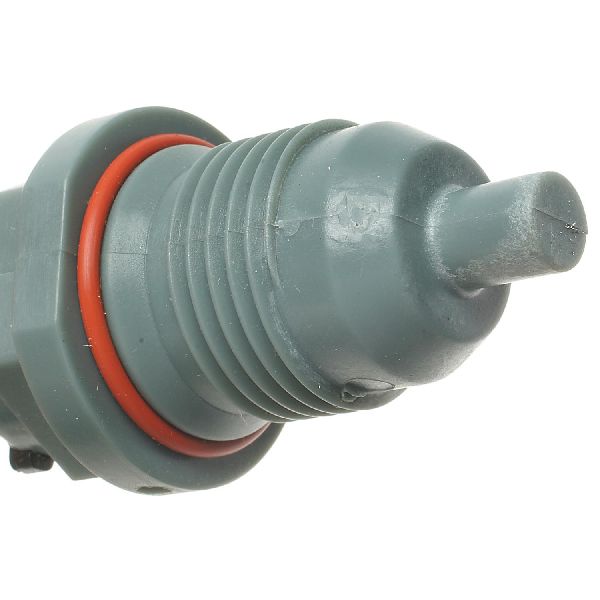
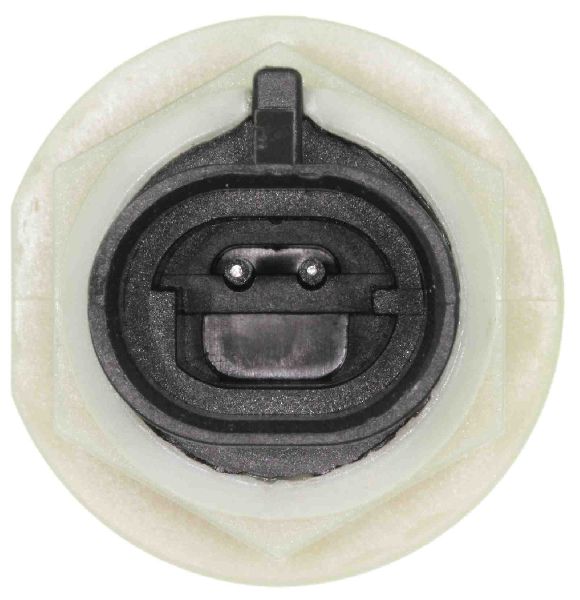
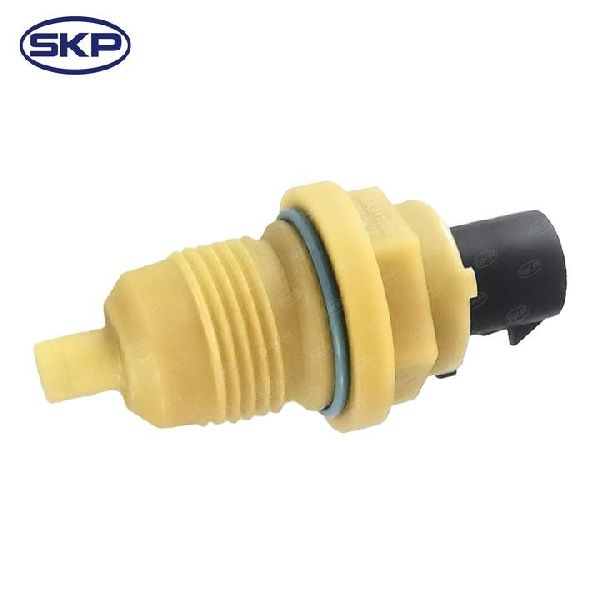
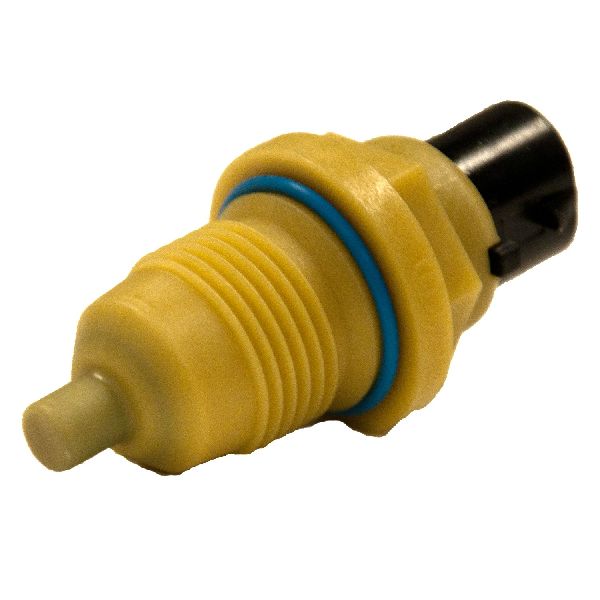
This is a magnetic pickup sensor that generates a signal based on the rotation of a toothed wheel on the transmission's output shaft. It uses a 2-pin connector.
We Have This Part in Stock


The information in this article is provided for general reference and educational purposes only. Vehicle specifications, procedures, and part compatibility can vary by production date, trim level, and region. Always consult your vehicle's factory service manual and verify part numbers before purchasing or performing repairs. Safety-critical components such as airbags, seat belts, and braking systems should be installed by a qualified professional.
- Chrysler LHS: