

Guide to Replacing Disc Brake Calipers on Your 1994-2001 Chrysler LHS
Stop brake pulling and restore stopping power by choosing the right caliper for your LHS.
- The most common failure for LHS calipers is seizing, which causes pulling, a burning smell, and sluggish driving.
- When replacing a caliper, it is best practice to also replace the pads, rotor, and flexible brake hose on that wheel.
- For rust-belt climates, choosing a coated caliper from a brand like Raybestos or Powerstop can extend its life.
- Replacing calipers in pairs (both front or both rear) is highly recommended for balanced braking.
Is Your Chrysler LHS Brake Caliper Failing?
On a 1994-2001 Chrysler LHS, brake calipers can fail with age and mileage. The most common problem is the caliper seizing or sticking. This can happen in two ways: the caliper piston can get stuck due to corrosion, or the slide pins that the caliper floats on can seize up from rust and old grease. When a caliper sticks, it fails to release its grip on the brake rotor, causing constant drag on one wheel.
Key Symptoms of a Bad Caliper:
- Car Pulls to One Side: Your car may pull to the left or right when you're driving or braking. A pull while driving suggests a stuck caliper, while a pull only when braking can mean one caliper isn't working at all.
- Burning Smell: A constant acrid, burning smell from one wheel after driving is a classic sign of a dragging brake pad overheating. If you smell this, you should pull over and check your wheels.
- One Wheel is Very Hot: After a drive, carefully check the heat coming off your wheels. A seized caliper will generate extreme heat, making one wheel noticeably hotter than the others.
- Sluggish Performance: The car may feel slow or like the parking brake is on because the engine is fighting against a constantly applied brake.
- Uneven Brake Pad Wear: When you inspect your brakes, you might find that the pads on one wheel are much more worn than on the other side. A stuck slide pin can also cause the inner or outer pad to wear much faster than its partner.
A Note on Brake Hoses
Sometimes, an old, internally collapsed rubber brake hose can cause the same symptoms as a seized caliper. The hose acts like a one-way valve, trapping fluid pressure in the caliper. If you're replacing a caliper, it's a smart and inexpensive preventative measure to replace the flexible rubber brake hose on that wheel at the same time, especially on a vehicle of this age.
Choosing the Right Aftermarket Caliper
For the 1994-2001 Chrysler LHS, original OEM calipers are not a practical option. The market is well-served by new and remanufactured aftermarket parts. Since you are buying a NEW part, you avoid the quality gamble that can sometimes come with remanufactured units.
Brand Tiers for Your LHS
When choosing a new caliper, consider these brand categories:
- Premium & Performance (Powerstop, Raybestos Element3): Brands like Powerstop often market their calipers as a performance upgrade, sometimes featuring powder coatings for appearance and corrosion resistance. Raybestos also offers high-quality coated calipers in their Element3 line, which are praised for rust protection in salty climates. These are excellent choices if you want the best corrosion resistance or a slight performance edge.
- OEM-Quality (Centric, Raybestos Professional Grade): Centric and Raybestos are well-regarded brands that provide reliable, standard replacement parts that meet or exceed original specifications. These are a solid, dependable choice for a daily-driven LHS.
- Standard & Value (Cardone, Dynamic Friction, BBB Industries): Cardone is a huge name in the aftermarket, but user feedback suggests quality can be inconsistent. However, a new caliper from them is generally a safe bet. Dynamic Friction and BBB Industries are standard replacement brands that offer a cost-effective solution to get your brakes working properly again.
Coated vs. Uncoated Calipers
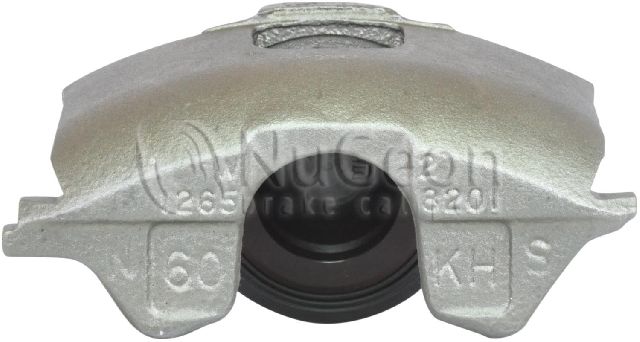
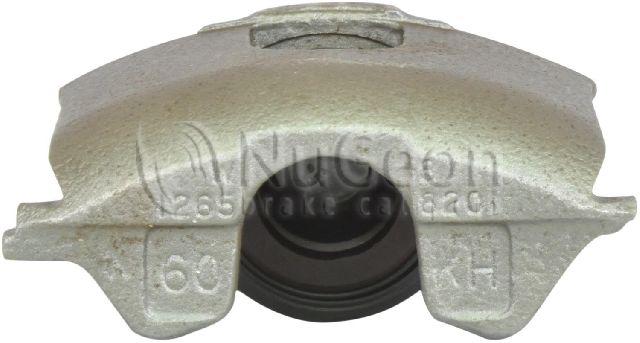
If you live in an area with snow and road salt, spending a little extra on a coated caliper (often with a black or silver paint-like finish) is highly recommended. This coating helps prevent the caliper body from rusting, which not only looks bad but can lead to seized slide pins and other issues down the road.
Estimated Cost for a New Aftermarket Caliper
| Item | Estimated Cost |
|---|---|
| New Aftermarket Caliper (Part Only) | $39.77 - $98.30 |
| Professional Labor to Install (One Side) | $125 - $350 |
| Total Estimated Cost (One Caliper) | $165 - $450 |
Cost estimates are for a single caliper replacement and can vary by location and shop. This does not include the cost of new pads, rotors, or brake fluid, which are often replaced at the same time.
Frequently Asked Questions
Do I need to replace my brake calipers in pairs?
While it is not strictly required, it is highly recommended. If one caliper has failed due to age and corrosion, the other side is likely not far behind. Replacing them in pairs ensures even braking performance and predictable pedal feel. It also saves you from having to do the same job again in the near future.
What is a 'loaded' vs. 'unloaded' caliper?
An 'unloaded' or 'semi-loaded' caliper is just the caliper body itself, sometimes with new hardware like clips and slide pins. A 'loaded' caliper comes pre-assembled with new brake pads already installed. For most DIYers, buying an unloaded caliper and separate, good-quality pads is the best approach, as it gives you more control over the quality of the brake pads you install.
What else should I replace with my caliper?
It is best practice to replace the brake pads and rotors when you install a new caliper. A seized caliper often damages the pad and rotor on that wheel through overheating. At a minimum, you must replace the pads. You should also replace the flexible rubber brake hose and perform a full brake fluid flush on the entire system. New, clean brake fluid is critical for the health of your new parts.
What are phenolic vs. steel pistons?
You may see caliper listings that mention piston material. Phenolic (a type of resin composite) pistons are lighter and do not transfer heat as much as steel pistons, which can help keep brake fluid cooler. Steel pistons are stronger and less prone to cracking under extreme use. For a daily driver like the LHS, either material is perfectly fine and you are unlikely to notice a difference in performance.
Technical Specifications
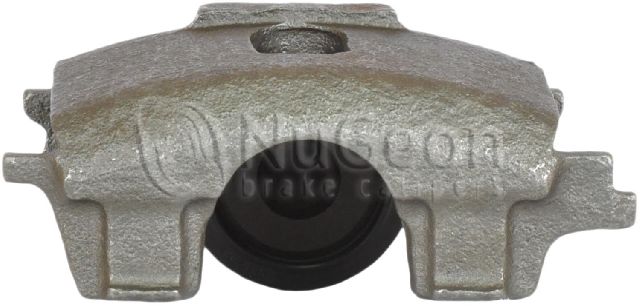
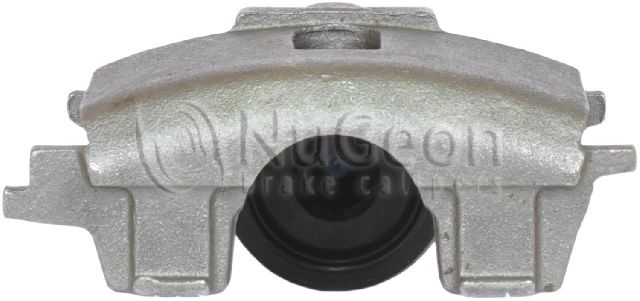
The 1994-2001 Chrysler LHS uses a single-piston floating caliper design for both front and rear brakes. Aftermarket options are available with either phenolic or steel pistons.
We Have This Part in Stock

The information in this article is provided for general reference and educational purposes only. Vehicle specifications, procedures, and part compatibility can vary by production date, trim level, and region. Always consult your vehicle's factory service manual and verify part numbers before purchasing or performing repairs. Safety-critical components such as airbags, seat belts, and braking systems should be installed by a qualified professional.
- Chrysler LHS: