

Chrysler LHS Engine Coolant Temperature Sensor Guide (1994-2001)
Everything a Chrysler LHS owner needs to know about a failing coolant temperature sensor and how to choose the right replacement.
- A bad ECT sensor on your LHS can cause a Check Engine Light, poor fuel economy, overheating, and hard starts.
- For this part, choosing a quality brand like Mopar, NGK, or Delphi is recommended to avoid performance issues.
- Replacement is a simple DIY task that can be done in under an hour with basic tools.
- No recalls or major TSBs are active for this specific part on the 1994-2001 LHS; failures are typically from age.
Is Your Chrysler LHS Running Rough or Overheating? It Could Be the Coolant Temp Sensor.
A faulty Engine Coolant Temperature (ECT) sensor can cause a surprising number of problems in your 1994-2001 Chrysler LHS. Because the engine's computer relies on this sensor for so many calculations, a bad signal can lead to poor performance that might seem unrelated. Understanding the symptoms is the first step to diagnosing the problem correctly.
Top 5 Failure Symptoms
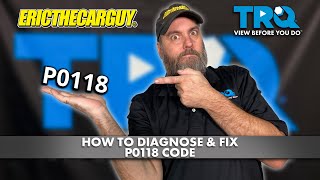
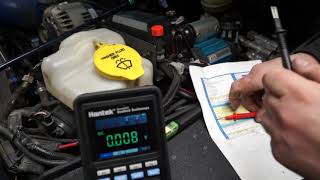
- Check Engine Light: This is often the first sign. The computer knows the sensor's reading is out of the expected range and will trigger a fault code. Common codes for this issue are P0117 (circuit low) and P0118 (circuit high). 🎬 Watch: EricTheCarGuy explains how to diagnose a P0118 fault code.
- Poor Fuel Economy: If the sensor wrongly tells the computer the engine is cold, the computer will enrich the fuel mixture, dumping more gas than needed and hurting your mileage.
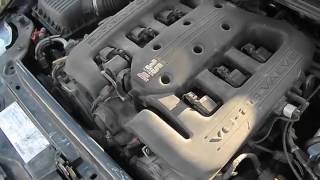
- Engine Overheating or Running Cool: A bad sensor can fail to trigger the radiator fans when needed, causing the engine to overheat. Conversely, it might cause the fans 🎬 See this video for troubleshooting overheating issues on the 3.5L engine. to run constantly, preventing the engine from reaching its ideal operating temperature.
- Hard Starting & Rough Idle: When the engine is cold, the computer needs an accurate temperature reading to provide the right fuel mix for starting. A bad sensor can make cold starts difficult. It can also cause a rough or unstable idle.
- Black Smoke from Exhaust: In severe cases, if the computer is told the engine is permanently cold, it will run a very rich fuel mixture. Unburned fuel can exit through the exhaust, creating black smoke.
Known Issues & Recalls for 1994-2001 Chrysler LHS
Our search of the NHTSA database and Technical Service Bulletins (TSBs) found no specific recalls or widespread TSBs for the Engine Coolant Temperature Sensor on the 1994-2001 Chrysler LHS. While some other Chrysler models from different eras had recalls related to cooling fan circuits, these did not apply to this specific vehicle and part. Failures are typically due to normal wear and age.
Choosing the Right Aftermarket Sensor for Your LHS
For many electronic parts on this era of Chrysler, using a quality sensor is important. The computer system can be sensitive to the electrical signals sent by sensors. While an OEM Mopar part is a guaranteed fit and quality, several aftermarket brands offer a great balance of reliability and value.
Brand Quality Tiers:
- Tier 1 (OEM or Equivalent): Mopar, NGK/NTK, Delphi. These brands are often original equipment suppliers and are known for their rigorous testing and quality control. Forum discussions for similar Chrysler vehicles often recommend sticking with Mopar or a known OE supplier like NGK to avoid issues.
- Tier 2 (Reliable Aftermarket): Standard Ignition (SMP), Walker Products. These are well-regarded aftermarket brands that produce a wide range of reliable sensors. They offer a solid combination of quality and price.
- Tier 3 (Budget-Friendly): Four Seasons, Global Parts, True Tech, Holstein. These brands provide a cost-effective solution. While they can be a good value, some forum users across various car models have reported occasional issues with the accuracy or longevity of budget sensors compared to OEM or Tier 1 brands.
Typical Replacement Costs
The cost to replace the ECT sensor on a Chrysler LHS is reasonable, especially if you do it yourself. The part itself is not expensive, and the labor is straightforward.
| Item | Estimated Cost |
|---|---|
| New Aftermarket Sensor | $12.96 - $50.00 |
| New OEM (Mopar) Sensor | $40.00 - $118.00 |
| Shop Labor | $75 - $150 |
| Total Professional Replacement | $90 - $270 |
Frequently Asked Questions
Where is the coolant temperature sensor located on the 1994-2001 Chrysler LHS?
On the 3.5L V6 engine used in the Chrysler LHS, the Engine Coolant Temperature Sensor is typically located on or near the thermostat housing, which is part of the coolant passage at the front of the engine. You will need to follow the upper radiator hose to the engine to locate the housing.
Can I replace the coolant temperature sensor myself?
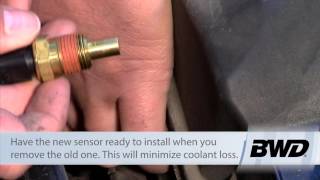
Yes, this is a very DIY-friendly job for most home mechanics. The sensor is usually accessible. The main steps involve partially draining the coolant, 🎬 Watch this step-by-step walkthrough of the sensor replacement process. unplugging the electrical connector, unscrewing the old sensor, screwing in the new one, and reconnecting the plug. You will then need to top off the coolant and bleed any air from the system. The engine must be completely cool before you start.
Do I need to drain all the coolant to replace the sensor?
No, you don't need to drain the entire system. You can drain just enough coolant from the radiator's petcock so the coolant level is below the sensor's location. Alternatively, if you work quickly, you can simply unscrew the old sensor and screw the new one in. Some coolant will spill, but it will be minimal. Always have the new sensor ready to go.
Should I buy a Mopar sensor or is an aftermarket one okay?
For a critical sensor like this, an OEM Mopar part or a high-quality aftermarket brand like NGK or Delphi is highly recommended to ensure accurate readings and longevity. While budget parts are available, the potential for running issues or premature failure can make them a poor value in the long run.
What are the trouble codes for a bad coolant temp sensor?
The most common codes are P0117 (Engine Coolant Temperature Sensor 1 Circuit Low) and P0118 (Engine Coolant Temperature Sensor 1 Circuit High). P0117 suggests a short in the circuit, while P0118 suggests an open circuit. Both point to a problem with the sensor or its wiring.
Helpful Videos
Technical Specifications
OEM Part Numbers: 5269870AB 56027873 33004281
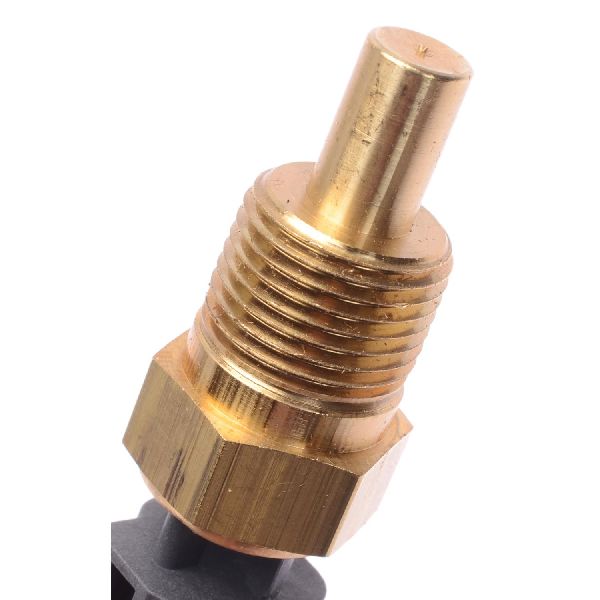
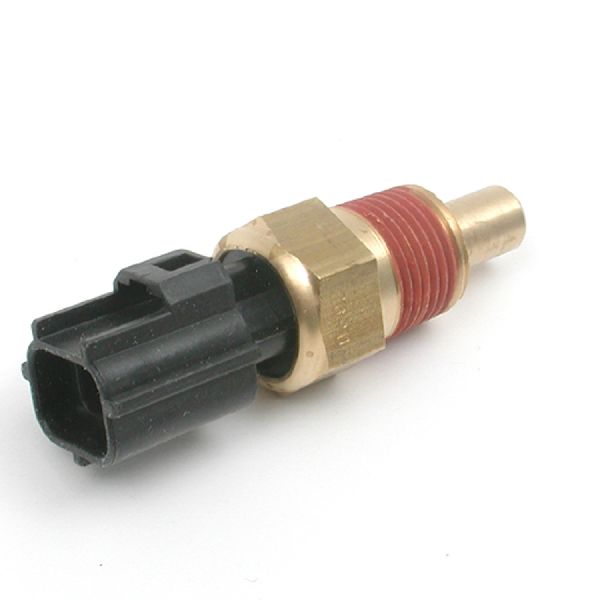
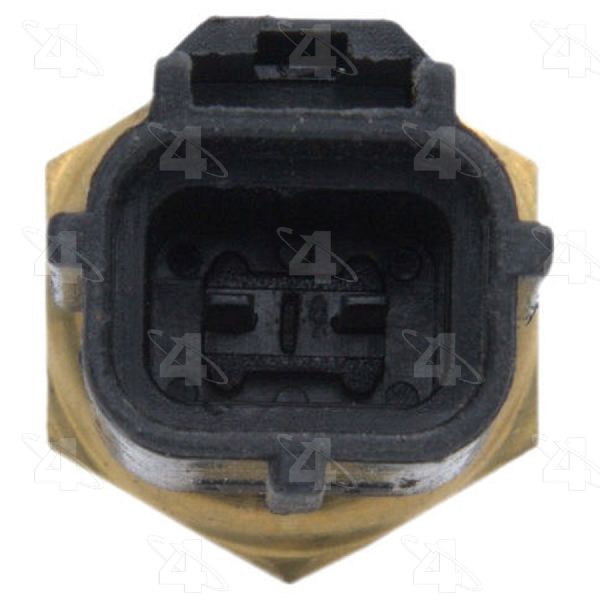
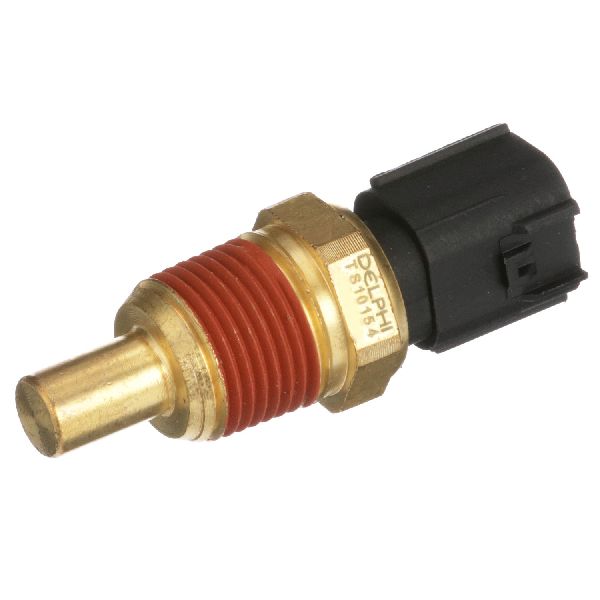
The sensor is a two-pin thermistor that threads into a coolant passage, typically near the thermostat housing. It provides a variable resistance signal to the powertrain control module.
We Have This Part in Stock


The information in this article is provided for general reference and educational purposes only. Vehicle specifications, procedures, and part compatibility can vary by production date, trim level, and region. Always consult your vehicle's factory service manual and verify part numbers before purchasing or performing repairs. Safety-critical components such as airbags, seat belts, and braking systems should be installed by a qualified professional.
- Chrysler LHS:
- 🎬 Helpful Videos
- 🛍️ Shop This Part
- Is Your Chrysler LHS Running Rough or Overheating? It Could Be the Coolant Temp Sensor.
- Top 5 Failure Symptoms
- Known Issues & Recalls for 1994-2001 Chrysler LHS
- Choosing the Right Aftermarket Sensor for Your LHS
- Typical Replacement Costs
- Frequently Asked Questions
- 🎟️ Get 5% Off