

Chrysler LHS Oxygen Sensor Guide: 1994-2001
Everything you need to know about choosing the right oxygen sensor for your 3.5L V6.
- Your 1996-2001 LHS has four O2 sensors; 1994-1995 models have two. You must buy the correct one for the specific location (e.g., upstream or downstream).
- For best results and to avoid compatibility issues, choose an NTK or Denso brand sensor.
- A bad oxygen sensor will cause a check engine light, reduce fuel economy, and can damage your catalytic converter over time if not replaced.
- Replacement is DIY-friendly but can be difficult if the old sensor is rusted in place. Use penetrating oil and a special O2 sensor socket.
Understanding Your LHS Oxygen Sensors
Your 1994-2001 Chrysler LHS has a 3.5L V6 engine that relies on oxygen sensors (O2 sensors) to run efficiently. The number of sensors your car has depends on the year. Models from 1996-2001 are OBD-II compliant and have four oxygen sensors. There are two "upstream" sensors located in the exhaust manifolds before the catalytic converters, and two "downstream" sensors located after the converters. Models from 1994-1995 are typically OBD-I and have only two upstream sensors.
- Upstream (Sensor 1): This is the most important sensor for fuel control. It reads the raw exhaust gases coming from the engine to make rapid adjustments to the air-fuel mixture. A failing upstream sensor has a direct impact on fuel economy and performance.
- Downstream (Sensor 2): This sensor's main job is to check the health of your catalytic converter. It compares its reading to the upstream sensor to make sure the converter is cleaning the exhaust properly.
Choosing the Right Aftermarket O2 Sensor
When it comes to electronics on this generation of Chrysler vehicles, brand matters. Forum discussions among owners show that these cars can be picky about oxygen sensors. Choosing the wrong brand, even a well-known one, can lead to persistent check engine lights and performance issues.
Tier 1: OEM-Equivalent Brands
These brands are widely regarded by mechanics and owners as the most reliable choice for a Chrysler LHS, with performance equal to the original Mopar part.
- NGK / NTK: NTK is the sensor division of NGK. They are a frequent original equipment manufacturer and are highly recommended for Chrysler vehicles to avoid compatibility issues.
- Denso: Another top-tier OEM supplier, Denso sensors are known for their quality and reliability. They are a safe and solid choice for your LHS.
Tier 2: Reputable Aftermarket Brands
These brands can offer good value but be aware of potential compatibility quirks.
- Delphi: A large OEM supplier with a strong aftermarket presence. Generally a reliable choice.
- Bosch: While a top-tier brand for many European cars, many Chrysler owners report issues using aftermarket Bosch O2 sensors, leading to codes and performance problems. It's often best to choose NTK or Denso instead.
Tier 3: Value-Oriented Brands
These brands meet the price point but may have a shorter lifespan or less consistent performance.
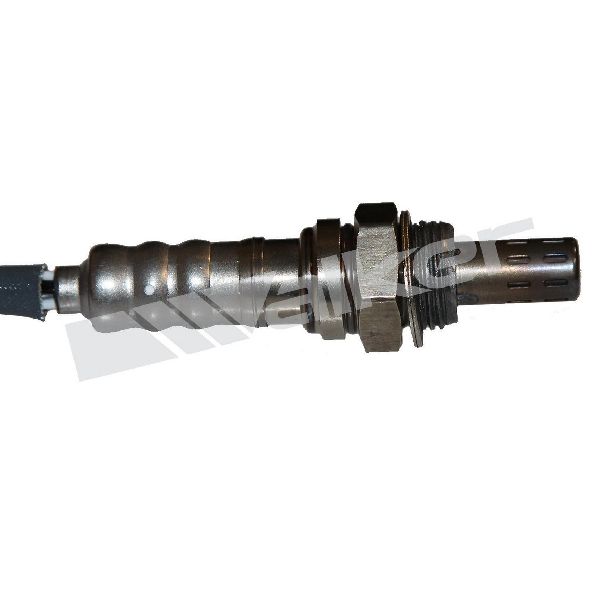
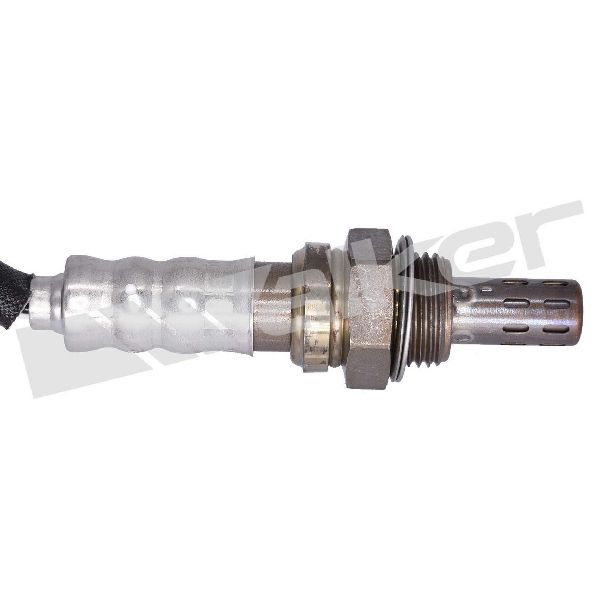
- Walker Products, Spectra, DriveWire, Vemo: These are standard aftermarket replacement brands that offer a budget-friendly option. They can be a good choice if you're on a tight budget, but for long-term reliability, sticking with Tier 1 is recommended.
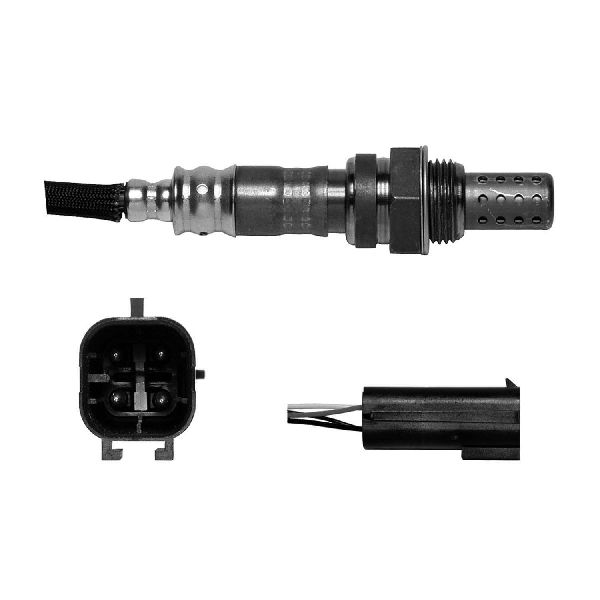
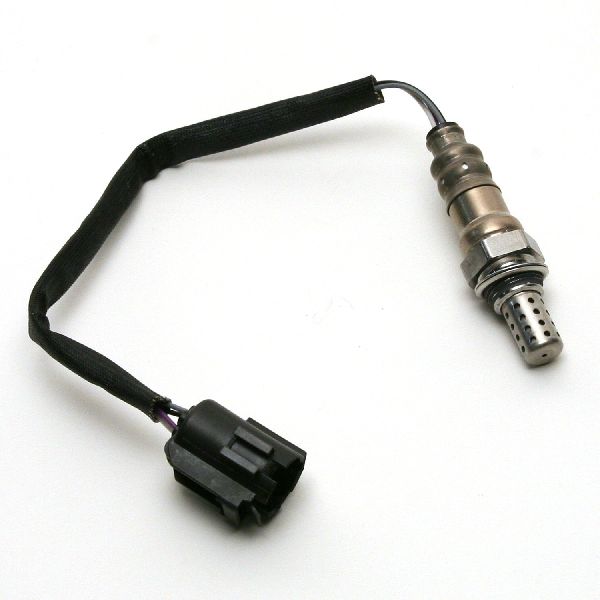
Pro Tip: Always replace a failed sensor with a "direct-fit" model. These come with the correct plug for your car's wiring harness. Avoid "universal" sensors that require you to splice wires, as this can create a point of failure.
Cost to Replace an Oxygen Sensor on a 1994-2001 Chrysler LHS
| Item | Estimated Cost |
|---|---|
| Aftermarket Oxygen Sensor (Part) | $25 - $88 |
| Shop Labor | $60 - $120 per sensor |
| Total Estimated Cost (1 Sensor) | $85 - $208 |
Costs are estimates and will vary based on your location, the specific brand chosen, and your mechanic's labor rates.
Frequently Asked Questions
How many O2 sensors does my Chrysler LHS have?
If your LHS is a 1996, 1997, 1998, 1999, 2000, or 2001 model, it has four sensors (two upstream, two downstream). If you have a 1994 or 1995 model, you likely have two upstream sensors.
What is the difference between upstream and downstream?
The upstream sensor is located before the catalytic converter and is used to control the engine's air-fuel mixture. The downstream sensor is after the catalytic converter and monitors its efficiency. You must order the correct sensor for the specific location.
What tools do I need to replace an O2 sensor?
The job is possible for a DIYer. You will need a jack and jack stands, penetrating oil to loosen the old sensor, and a special oxygen sensor socket, which has a slot cut into it for the sensor's wire. An O2 sensor thread chaser tool is also helpful to clean the threads before installing the new part.
Why do mechanics recommend NTK or Denso for my Chrysler?
Chrysler engine computers from this era can be sensitive and may not work well with the voltage signals from some aftermarket brands. NTK and Denso are known to be OEM suppliers, and their sensors are calibrated to work correctly with the factory computer, preventing false check engine lights and performance issues.
Are there any recalls for the oxygen sensors on my LHS?
No specific, widespread recalls were found for the oxygen sensors on the 1994-2001 Chrysler LHS during our research. Any issues you experience are likely due to the age and mileage of the vehicle.
Technical Specifications
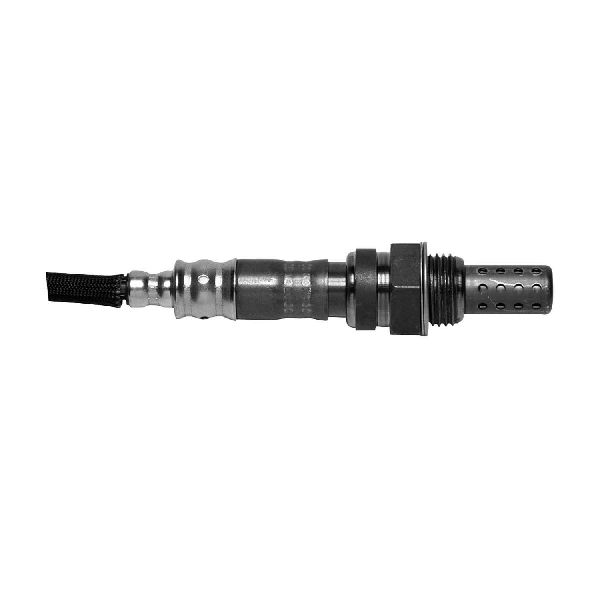
The 1994-2001 Chrysler LHS uses heated, 4-wire, direct-fit oxygen sensors. The thread size is typically M18x1.5. Upstream and downstream sensors are not interchangeable, nor are sensors for different banks (left vs. right).
We Have This Part in Stock

The information in this article is provided for general reference and educational purposes only. Vehicle specifications, procedures, and part compatibility can vary by production date, trim level, and region. Always consult your vehicle's factory service manual and verify part numbers before purchasing or performing repairs. Safety-critical components such as airbags, seat belts, and braking systems should be installed by a qualified professional.
- Chrysler LHS: