

Chrysler LHS Radiator Replacement Guide (1994-2001): Symptoms, Brands, and Costs
If your Chrysler LHS is overheating, the radiator is a likely suspect—here's what you need to know before you buy a new one.
- Overheating is the number one sign of a bad radiator; pull over immediately to prevent engine damage.
- Leaks from cracked plastic side tanks are the most common failure mode for the original LHS radiator.
- Quality aftermarket brands like Denso, Spectra, and CSF offer excellent performance and value for this vehicle.
- When replacing, it's smart to also install new radiator hoses and a new thermostat to ensure the whole system is reliable.
Is Your LHS Overheating? Signs of a Failing Radiator
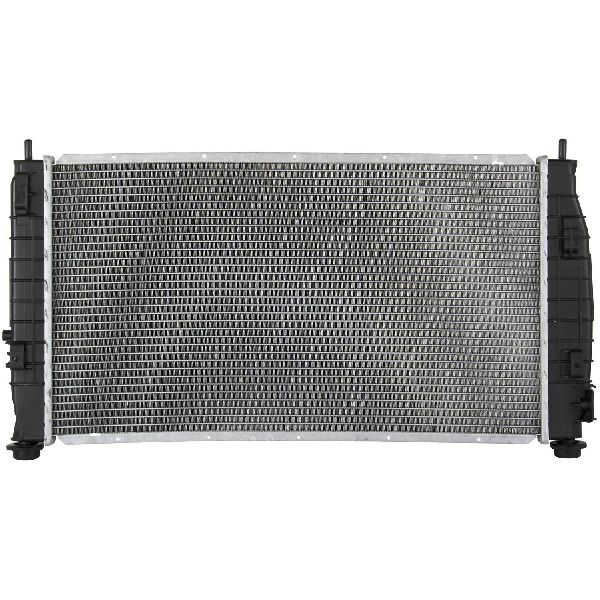
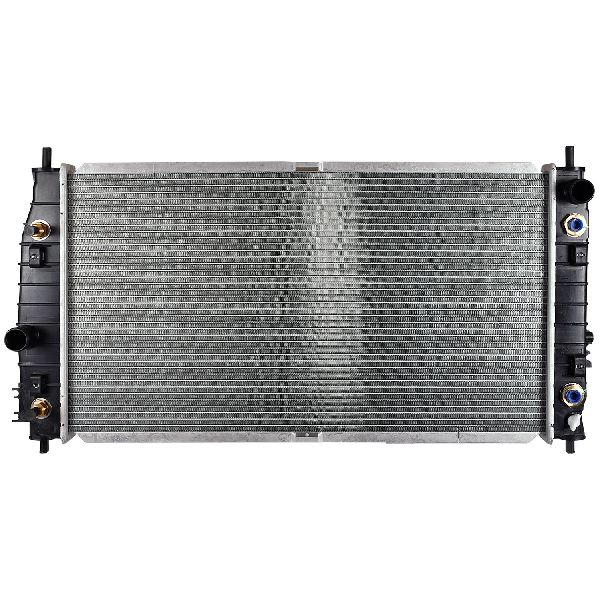
A bad radiator is a common reason for an overheating engine in the Chrysler LHS. The original radiators often use plastic tanks on the sides, which can crack and leak as they get old. If you notice any of these signs, it's time to inspect your cooling system.
- Engine Temperature Gauge in the Red: This is the most obvious sign your engine is too hot. If you see this, pull over as soon as it's safe.
- Coolant Leaks: Finding puddles of bright green, orange, or pink liquid under the front of your car is a sure sign of a leak. This liquid has a distinct sweet smell.
- Visible Rust or Corrosion: White or rusty stains on the radiator itself can point to small, slow leaks.
- Low Coolant Level: If you have to add coolant to the overflow tank often, you probably have a leak somewhere in the system.
- Steam from Under the Hood: If you see steam, it means coolant is leaking onto hot engine parts and boiling away. Pull over immediately.
Do Not Drive an Overheating Vehicle
Driving your LHS with the temperature gauge in the red can lead to severe engine damage, like a blown head gasket or warped cylinder heads, turning a manageable repair into a catastrophic one.
Choosing the Right Aftermarket Radiator for Your LHS
For a vehicle of this age, an aftermarket radiator offers the best value. The quality of modern aftermarket parts is often as good as or better than the original, especially since designs have been improved over the last 20+ years. You don't need to spend a fortune on an OEM part from a dealer.
Aftermarket brands can be grouped into tiers based on reputation and price.
- Tier 1 (OEM Quality & Reputation): Brands like Denso are known for making original parts for many car manufacturers. They are a top choice for quality and fit. Spectra Premium and CSF also have strong reputations for producing reliable, OE-spec radiators that fit correctly without modification.
- Tier 2 (Value-Oriented): Brands like ACDelco, APDI, and Koyorad offer a good balance of price and quality. They are solid choices for a daily driver and are often significantly cheaper than top-tier brands while still providing reliable service.
- Tier 3 (Budget-Friendly): Brands like Onix, Global Parts, and One Stop Solutions are typically the most affordable. They can be a good option if budget is the primary concern, but always check the warranty and return policy before buying.
| Quality Tier | Estimated Part Cost |
|---|---|
| Tier 1 (Denso, Spectra, CSF) | $120 - $247 |
| Tier 2 (ACDelco, APDI, Koyorad) | $70 - $150 |
| Tier 3 (Budget Brands) | $40 - $90 |
A Note on Installation
When replacing the radiator, be very careful with the bolts used to attach other parts (like the A/C condenser) to it. Using a bolt that is too long can puncture the new radiator's core. Also, be aware of Technical Service Bulletin #070200, which noted that these cars can overheat after cooling system service if not refilled correctly to remove all air pockets. Always follow the proper coolant bleeding procedure for your LHS.
Frequently Asked Questions
Are there any recalls on the 1994-2001 Chrysler LHS radiator?
No. Searches of the National Highway Traffic Safety Administration (NHTSA) database show no safety recalls specifically for the radiator on this vehicle.
Should I replace my radiator hoses and thermostat at the same time?
Yes, it is highly recommended. The radiator hoses are made of rubber and degrade over time. Replacing them with the radiator is cheap insurance against a future leak. A new thermostat is also inexpensive and ensures your new cooling system operates at the correct temperature.
Do I need a special type of coolant for my Chrysler LHS?
Yes. For the 1994-2001 models, you should use a traditional green or a universal yellow/gold extended life coolant that is safe for use in mixed-metal (aluminum and iron) systems. Check your owner's manual or the coolant bottle to be sure it is compatible.
Is it hard to replace the radiator myself?
For a DIY mechanic with some experience, it is a manageable job. It requires draining the coolant, disconnecting hoses and electrical connectors, removing the cooling fans, and unbolting the radiator. If your A/C is working, you will need to carefully separate the A/C condenser from the front of the radiator without disconnecting the A/C lines. If you try to remove them as an assembly, the A/C system must be professionally evacuated first.
Technical Specifications
OEM Part Numbers: 4682717 4682717AB 5010222AA
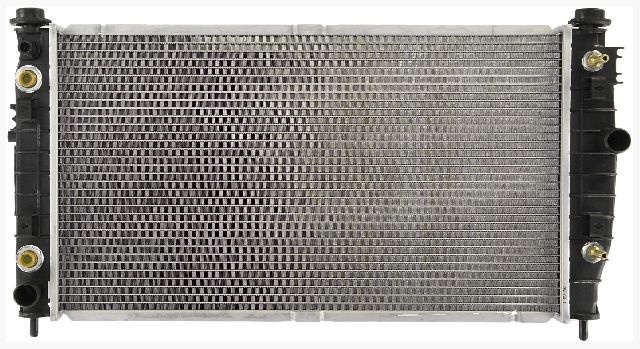
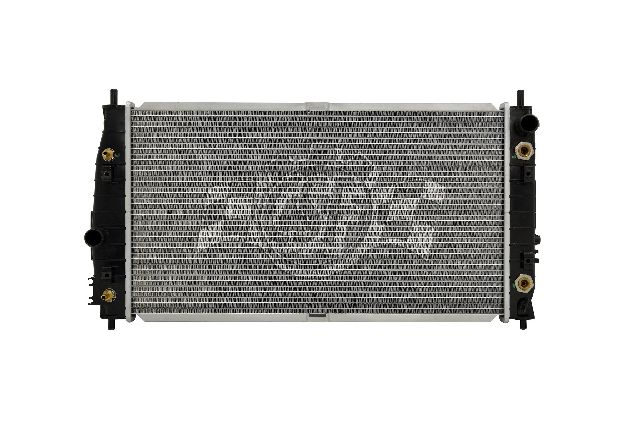
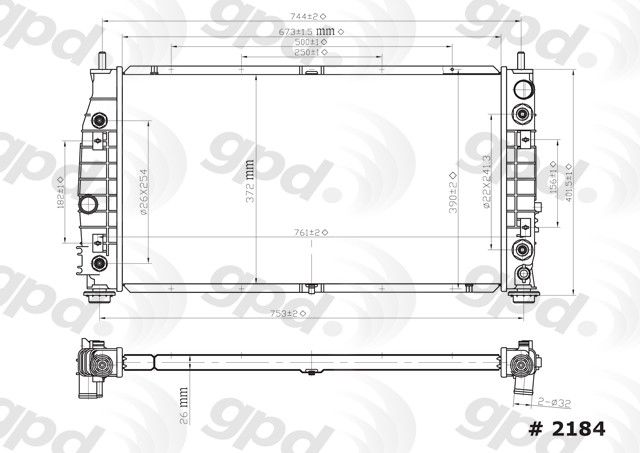
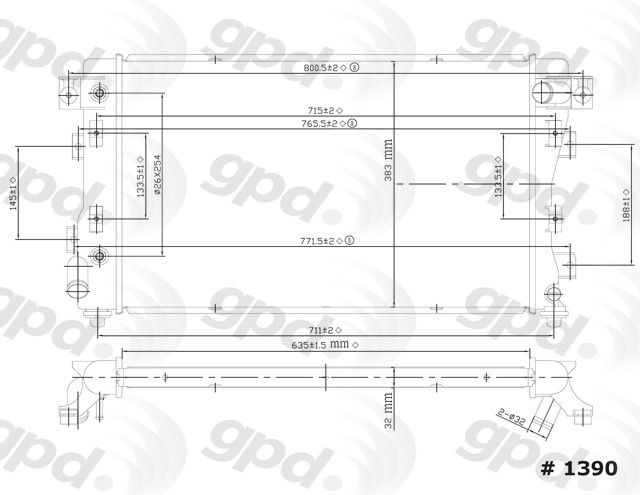
Most aftermarket radiators for the 1994-2001 Chrysler LHS feature an aluminum core with plastic side tanks, which matches the original equipment design. Core thickness and fin density may vary slightly between brands.
We Have This Part in Stock

The information in this article is provided for general reference and educational purposes only. Vehicle specifications, procedures, and part compatibility can vary by production date, trim level, and region. Always consult your vehicle's factory service manual and verify part numbers before purchasing or performing repairs. Safety-critical components such as airbags, seat belts, and braking systems should be installed by a qualified professional.
- Chrysler LHS: