

Chrysler LHS Serpentine Belt Guide for 1994-2001 Models
Learn how to spot a failing serpentine belt on your LHS and choose the best new aftermarket replacement.
- A squealing noise is the most common symptom, but it can also be caused by a failing belt tensioner, not just the belt itself.
- Always inspect the belt tensioner and idler pulleys when replacing the belt; it's often best to replace them as a set if they show signs of wear.
- High-quality aftermarket brands like Gates and Dayco are reliable and cost-effective alternatives to OEM parts for this vehicle.
- A broken serpentine belt will immediately disable your LHS, causing a loss of power steering, battery charging, and engine cooling.
Is Your Chrysler LHS Serpentine Belt Failing?
A serpentine belt is a wear-and-tear item. It won't last forever. On the 3.5L V6 engine in your LHS, signs of a failing belt are usually easy to spot before it breaks and leaves you stranded. Ignoring these warnings can lead to a sudden breakdown, loss of power steering, and potential engine overheating.
Key Failure Symptoms:
- Squealing or Chirping Noises: This is the most common sign. A high-pitched squeal, especially when you start the car, accelerate, or turn the steering wheel, often means the belt is slipping because it's worn out or the tensioner is weak.
- Visible Wear and Tear: Look at the belt. If you see cracks, frayed edges, missing chunks, or a shiny, smooth surface on the ribbed side, it needs to be replaced.
- Accessory Problems: If your power steering feels heavy, the battery light comes on, or the A/C isn't blowing cold, the belt may not be turning those components properly.
- Overheating Engine: The serpentine belt drives the water pump on the 3.5L engine. If the belt slips or breaks, coolant stops circulating, and the engine will overheat quickly, which can cause severe damage.
A Note on the Belt Tensioner
Often, a squealing noise isn't the belt's fault. It's caused by a weak or failing automatic belt tensioner. The tensioner is a spring-loaded pulley that keeps the belt tight. If the tensioner is bad, it can ruin a brand-new belt quickly. It's wise to inspect the tensioner and idler pulleys whenever you replace the belt. If the tensioner pulley feels loose, makes a grinding noise when spun by hand, or the tensioner arm vibrates while the engine is running, it should be replaced along with the belt.
Choosing the Right Aftermarket Serpentine Belt
For a simple wear item like a serpentine belt, you don't need to buy an expensive OEM part from the dealer. High-quality aftermarket brands often meet or exceed original specifications and provide excellent durability. The key is to choose a reputable brand.
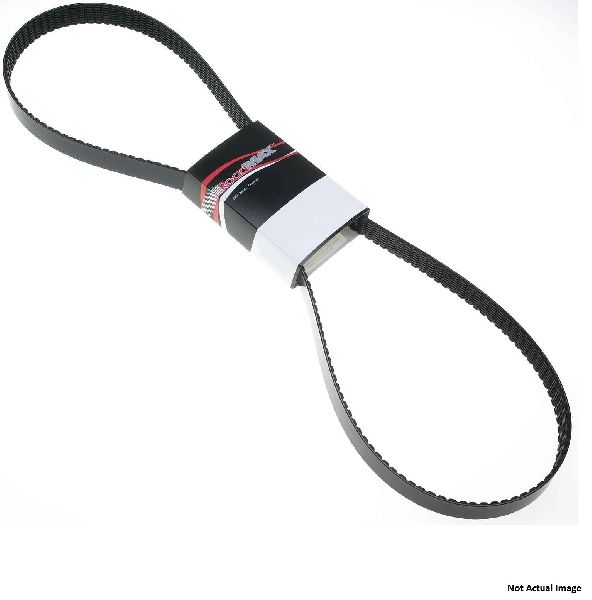
- Top Tier (OEM Quality or Better): Brands like Gates are frequently original equipment suppliers for many car manufacturers, including Chrysler. They are known for their durability and precise fit. Many professional mechanics prefer Gates for their reliability.
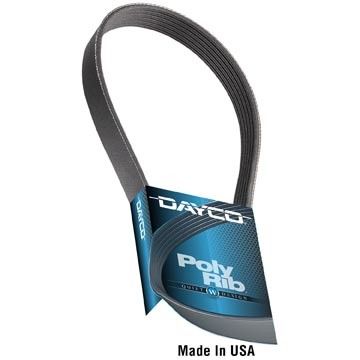
- Solid Mid-Grade: Dayco is another well-known brand that produces reliable serpentine belts. They are often made with modern EPDM rubber compounds that resist heat and cracking. While some mechanics have preferences, both Gates and Dayco are considered quality choices for the Chrysler LHS.
- OEM Supplier: INA is also a known OEM supplier, particularly for European vehicles, but their parts are used across many makes. An INA belt is a trustworthy option if available for your vehicle.
Pro Tip: When shopping, you might see kits that include the serpentine belt, a new tensioner, and idler pulleys. If your car has over 60,000 miles or if you're already hearing noises, buying a kit is a smart move. It ensures all the main wear components of the drive system are new and work together properly.
Typical Replacement Costs for a 1994-2001 Chrysler LHS
The cost to replace a serpentine belt can vary based on your location and whether you do it yourself or hire a shop. The job is straightforward for a DIYer with basic tools.
| Part/Service | Estimated Cost |
|---|---|
| New Aftermarket Serpentine Belt | $20 - $45 |
| Shop Labor | $57 - $107 |
| Total Professional Replacement | $101 - $151 |
Frequently Asked Questions
How often should I replace the serpentine belt?
There isn't a strict replacement schedule. It's best to inspect the belt during every oil change. As a general rule, consider replacing it every 60,000 to 90,000 miles for preventative maintenance, or immediately if you see signs of wear or hear noises.
Is it hard to replace the serpentine belt on a Chrysler LHS?
For a DIYer, this is a relatively easy job. It requires a basic wrench or a serpentine belt tool to release the tensioner, and then you can slip the old belt off and route the new one. Always make sure you have a diagram of the belt routing, which is often on a sticker in the engine bay.
What does 'serpentine' mean?
It's called a serpentine belt because it 'snakes' its way around multiple pulleys in a winding path to power all the accessories from a single belt.
Were there any recalls for the serpentine belt on the 1994-2001 LHS?
No, searches of the NHTSA database did not find any safety recalls specifically for the serpentine belt on the 1994-2001 Chrysler LHS. However, a Technical Service Bulletin (TSB) was issued for some 1996-1999 Chrysler vehicles with 3.3L/3.8L engines (not the 3.5L in the LHS) where the belt could come off in deep snow or water, but this does not apply to the LHS.
Technical Specifications
OEM Part Numbers: 4573013AB 4663950 4861278AB
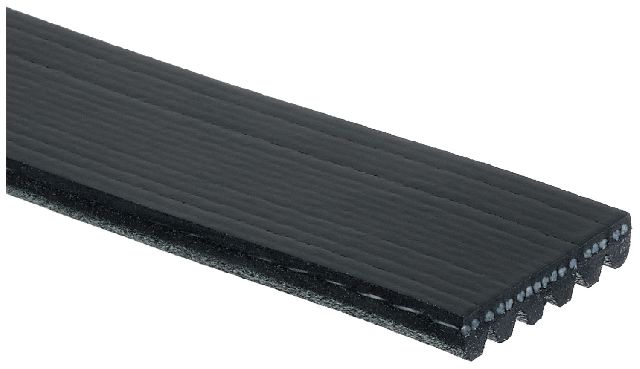
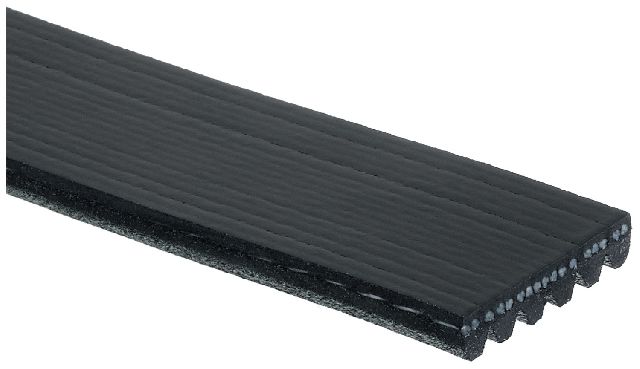
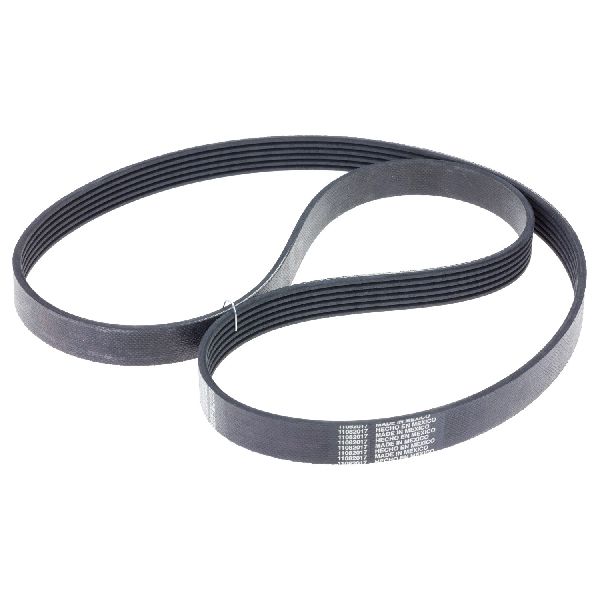
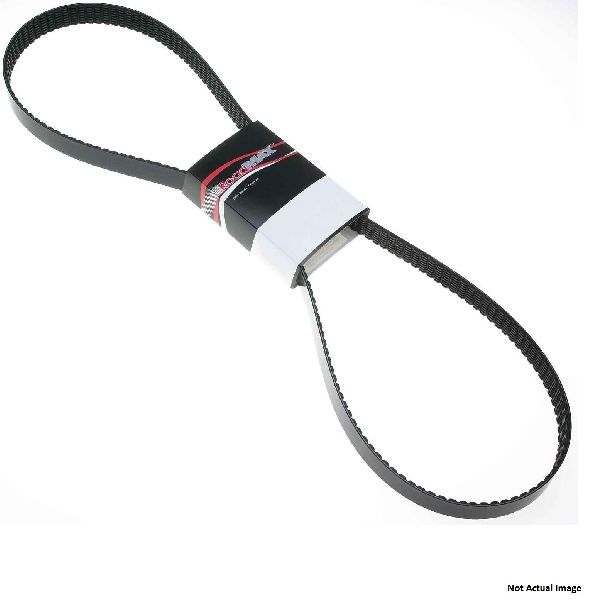
The 1994-2001 Chrysler LHS with the 3.5L V6 engine uses a multi-rib (serpentine) belt. Belt length and rib count can vary slightly by specific year and accessories, so always verify the fit for your exact vehicle. For example, a common belt for a 1999 model is approximately 53.75 inches in circumference with 6 ribs.
We Have This Part in Stock

The information in this article is provided for general reference and educational purposes only. Vehicle specifications, procedures, and part compatibility can vary by production date, trim level, and region. Always consult your vehicle's factory service manual and verify part numbers before purchasing or performing repairs. Safety-critical components such as airbags, seat belts, and braking systems should be installed by a qualified professional.
- Chrysler LHS: