

Chrysler LHS Vehicle Speed Sensor Guide (1994-2001)
Solve your LHS's shifting problems and erratic speedometer by understanding its unique dual speed sensor system.
- Your LHS has two distinct transmission speed sensors (input and output) on the 42LE transaxle; they are a very common failure point.
- Symptoms are primarily transmission-related, like harsh shifting or getting stuck in gear, not just a bad speedometer.
- A bad output sensor usually kills the speedometer, while a bad input sensor causes shifting problems with a working speedometer.
- For Chrysler electronics, choosing a quality aftermarket brand like Delphi or Standard Ignition is recommended over economy options for better reliability.
Understanding Your LHS's Speed Sensors
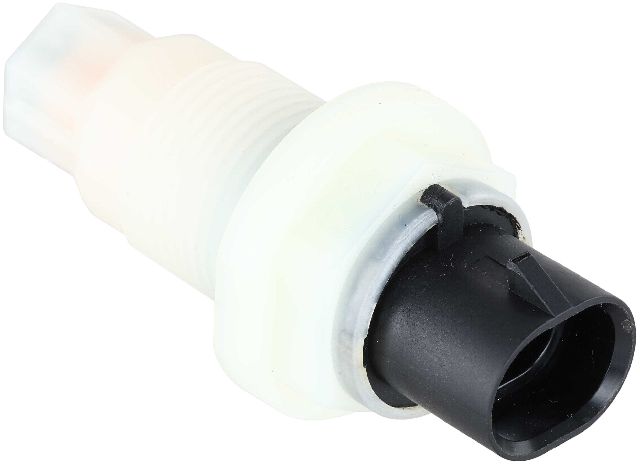
The automatic transmission in your Chrysler LHS, known as the 42LE, relies on two separate speed sensors to function correctly. There is an Input Shaft Speed (ISS) Sensor and an Output Shaft Speed (OSS) Sensor. They are not interchangeable. The input sensor tells the computer the speed of the transmission's internals coming from the engine, while the output sensor's reading is used for the speedometer and to determine the final drive speed. A failure in either sensor can cause significant and noticeable driving issues.
Symptoms of a Bad Speed Sensor
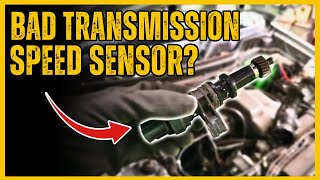
A failing speed sensor on an LHS will cause more than just a faulty speedometer. Because these sensors are critical for transmission control, the symptoms are often most noticeable in how the car shifts gears. You should suspect a bad speed sensor if you experience any of the following:
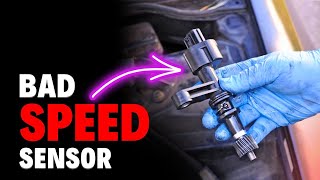
🎬 Watch this video to see common bad speed sensor symptoms.- Harsh or Erratic Shifting: The transmission may slam into gear, shift at the wrong times, or feel jerky and unpredictable.
- Limp Mode: The transmission may get stuck in second gear to prevent damage. This is a safety feature called "limp-in mode."
- Speedometer Malfunction: The speedometer needle may jump around, read incorrectly, or stop working altogether. This is most often caused by the output sensor.
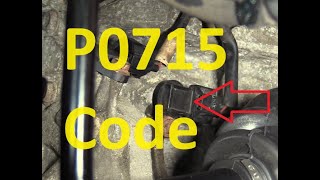
- Check Engine Light: A fault in the input or output sensor will trigger the check engine light. Common trouble codes include P0715 (Input Sensor Circuit Malfunction) and P0720 (Output Sensor Circuit Malfunction).
- Cruise Control Failure: Since the cruise control relies on speed data from the output sensor, it will stop working if the sensor fails.
Is it the Input or Output Sensor?
While a professional scan tool is the best way to know for sure, you can make an educated guess. If your main problem is an erratic or dead speedometer, the output sensor is the likely culprit. If the speedometer works fine but the transmission shifts poorly, the input sensor is a strong possibility. Many owners choose to replace both at the same time, as they are a common failure point and have similar service lives.
Choosing the Right Aftermarket Sensor
Chrysler electronics from this era can be sensitive to the quality of replacement parts. While very affordable options exist, investing in a quality sensor is often worth it to avoid replacing the part again soon. Here’s a breakdown of the available brands:
Tier 1: Premium Aftermarket
- Delphi: As a major OE (Original Equipment) manufacturer for many car brands, Delphi parts are engineered to high standards. They are a trusted choice for sensors that require reliable and accurate signals.
- Standard Ignition (SMP): Standard Motor Products is a well-regarded aftermarket manufacturer known for quality components that often meet or exceed OE specifications. They are a dependable option for this repair.
Tier 2: Standard Aftermarket
- Holstein & Walker Products: These brands offer a good balance of quality and value. They are solid, budget-friendly choices for a daily driver and are a significant step up from the cheapest options available.
Tier 3: Economy Brands
- Crown Automotive, Skyward, True Tech, URO Parts: These brands provide the most affordable way to get your car back on the road. However, for critical electronic parts on a Chrysler transmission, there is a higher risk of early failure or out-of-the-box issues compared to premium brands.
Pro Tip: The two sensors are located on the driver's side of the transmission. They are accessible from underneath the vehicle. The input sensor is closer to the engine, and the output sensor is further back, closer to the axle. Replacement is straightforward for a DIY mechanic with basic tools.
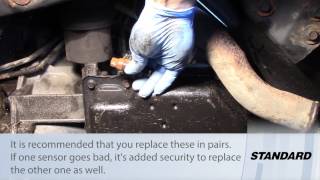
🎬 Follow this step-by-step guide to install your new speed sensors.Cost of Replacing a Chrysler LHS Speed Sensor
| Part Type | Estimated Cost |
|---|---|
| New Aftermarket Sensor | $13.98 - $39.54 |
| Shop Labor (per sensor) | $80 - $150 |
| Total DIY Cost (per sensor) | $13.98 - $39.54 |
| Total Professional Replacement (per sensor) | $94 - $190 |
Frequently Asked Questions
How many speed sensors does my 1994-2001 LHS have?
Your LHS has two transmission speed sensors: an input shaft speed sensor and an output shaft speed sensor. It does not use wheel speed sensors for transmission control.
Can I just replace the one that failed?
Yes, you can replace only the failed sensor. However, since both sensors are the same age and live in the same harsh environment, it's common for the second sensor to fail soon after the first. Many owners replace them as a pair to save time and effort later.
What happens if I don't replace a bad speed sensor?
Continuing to drive with a bad speed sensor can cause long-term damage to your transmission due to the stress of harsh shifting and incorrect pressures. It can also be unsafe if the transmission shifts unexpectedly or the car enters limp mode at an inconvenient time.
Is a P0715 or P0720 code always a bad sensor?
Most of the time, yes. However, these codes can also be caused by damaged wiring or a bad connector leading to the sensor. Always inspect the wiring for obvious damage, corrosion, or looseness before replacing the sensor itself.
🎬 Learn more about diagnosing and fixing a P0715 trouble code.Helpful Videos
Technical Specifications
OEM Part Numbers: 4800878 4800879
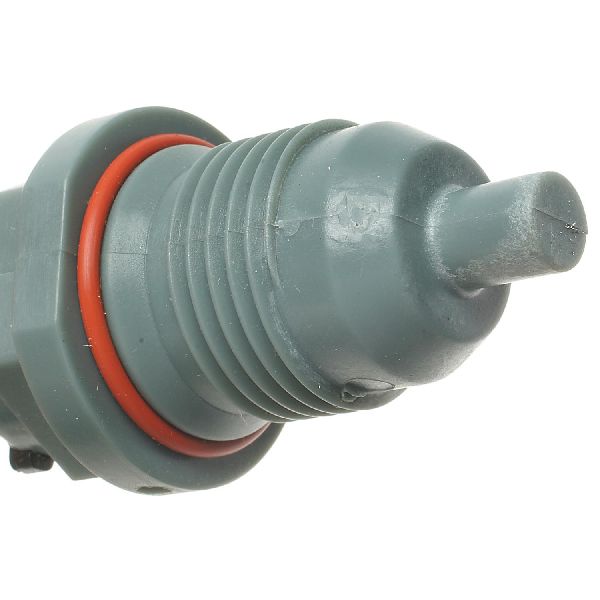
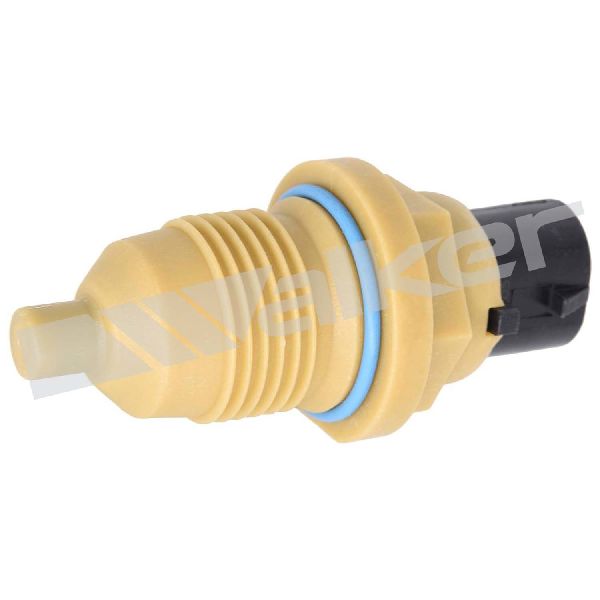
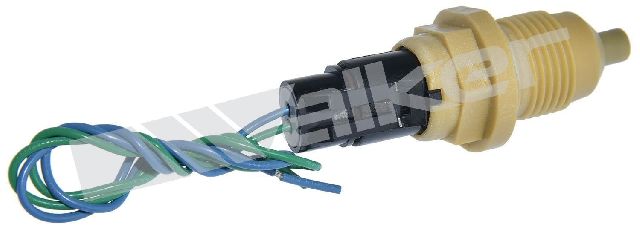
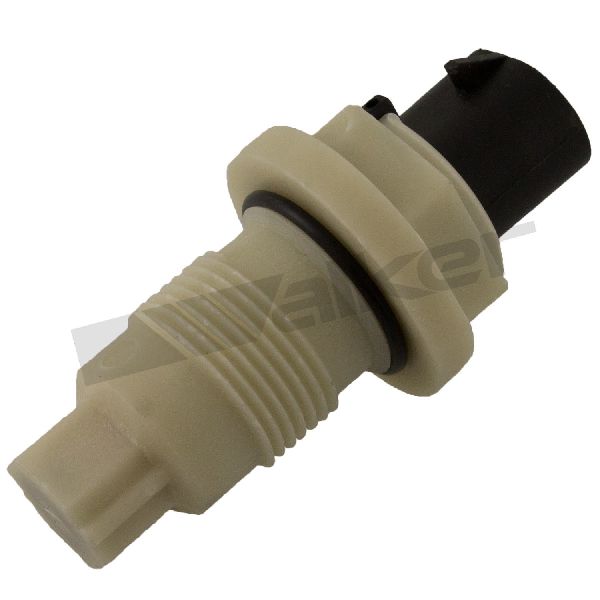
Fits A606 / 42LE Automatic Transmission. Includes one Input Speed Sensor and one Output Speed Sensor.
We Have This Part in Stock


The information in this article is provided for general reference and educational purposes only. Vehicle specifications, procedures, and part compatibility can vary by production date, trim level, and region. Always consult your vehicle's factory service manual and verify part numbers before purchasing or performing repairs. Safety-critical components such as airbags, seat belts, and braking systems should be installed by a qualified professional.
- Chrysler LHS: