

A Guide to the ABS Wheel Speed Sensor for 1994-2001 Dodge Ram 1500
Solve your ABS light, speedometer, and shifting problems by understanding this critical sensor.
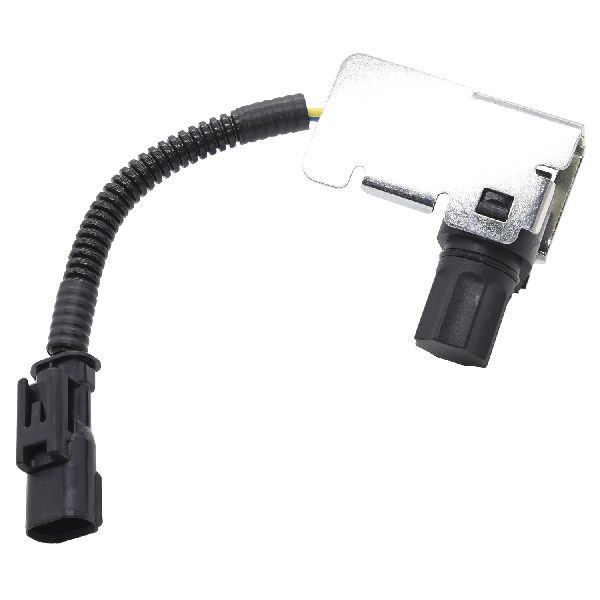
- The ABS sensor on the rear differential is the most likely cause of ABS lights, speedometer failure, and shifting issues on this truck.
- This is a very common failure, but it is an easy and inexpensive DIY repair that most owners can do in under an hour.
- Quality aftermarket brands like Delphi, Dorman, and Standard Ignition offer reliable, cost-effective replacements.
- Before buying, confirm your issue points to the rear differential sensor, not the one on the transmission, to avoid buying the wrong part.
Is Your Ram's Dashboard Lit Up?

If you own a second-generation Dodge Ram, seeing the 'ABS' and 'BRAKE' warning lights turn on is a very common issue. Often, these lights are joined by an erratic or dead speedometer and transmission shifting problems. The good news is that these symptoms usually point to a single, inexpensive, and easy-to-replace part: the rear ABS wheel speed sensor.
Symptoms of a Failing ABS Sensor

When the main ABS sensor on the rear differential starts to fail, it can't send a reliable speed signal to the truck's computer. This leads to a distinct set of problems:
🎬 Watch: 6 signs of a bad ABS sensor you shouldn't ignore- ABS and Brake Warning Lights: The most obvious sign is the 'ABS' and 'BRAKE' lights illuminating on your dashboard.
- Erratic or Dead Speedometer: The speedometer might jump around, stop working entirely, or fail to register speeds below 20 mph.
- Harsh Transmission Shifting: The automatic transmission relies on the speed signal to know when to shift gears. Without it, shifts can become hard, delayed, or unpredictable.
- Cruise Control Not Working: The cruise control system will not engage if it doesn't receive a steady speed signal from the sensor.
A Common Point of Confusion
Many owners mistakenly replace the speed sensor on the transmission itself when trying to fix speedometer issues. For the 1994-2001 Ram 1500, the speedometer and shifting problems are almost always caused by the ABS sensor on the rear differential, not the transmission output sensor.
🎬 See how to test and replace the sensor for code P0720Choosing the Right Aftermarket ABS Sensor

You do not need to buy an expensive OEM part from the dealer to fix this common issue. Quality aftermarket brands offer reliable, direct-fit replacements that perform well. The brands are generally grouped into tiers based on reputation and price.
- Premium Brands (OEM Quality or Better): Brands like Delphi and NGK (NTK) are often considered top-tier. Delphi is known for using OE-style weather-pack connectors to prevent moisture damage and for rigorous testing. These are excellent choices for long-term reliability.
- Standard/Trusted Brands: Standard Ignition (SMP) and Dorman are well-known, trusted names in the aftermarket. They provide a great balance of quality and value, and are popular choices for both DIYers and professional shops.
- Economy Brands: Brands like Holstein and Walker Products offer cost-effective solutions that meet OE specifications. They are a good option if you are on a tight budget but still want a new, functional part with a warranty.
How Much Does a New ABS Sensor Cost?
Replacing the ABS sensor is an affordable repair. The biggest cost difference is between doing it yourself and having a shop do it.
| Part/Service | Estimated Cost |
|---|---|
| New Aftermarket ABS Sensor | $26 - $70 |
| Shop Labor | $80 - $120 |
| Total (Shop Repair) | $106 - $190 |
| Total (DIY Repair) | $26 - $70 |
Pro Tip: Installation
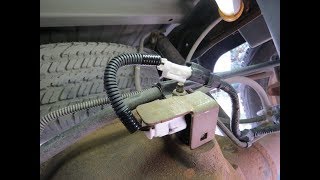
Replacing the rear sensor is a great job for a beginner. It is held in place by a single bolt on top of the rear differential housing. After removing the bolt, the old sensor might be stuck. Gently pry it out with a screwdriver, being careful not to break it off in the housing. Clean the area before installing the new sensor and apply a little clean motor oil to the new O-ring to help it slide in and seal properly.
🎬 Watch this step-by-step walkthrough for changing the rear differential sensorFrequently Asked Questions

Where is the ABS sensor located on my 1994-2001 Ram 1500?
The main sensor that causes speedometer and ABS light issues is located on the top of the rear differential housing, often called the "pumpkin". Some 4WD models may have additional sensors located at each front wheel hub.
Can I replace the ABS sensor myself?
Yes, this is a very DIY-friendly job. Replacing the rear sensor typically requires only basic hand tools (like a 9/16" or 1/2" socket) and can be completed in less than an hour.
Will a new sensor fix my speedometer and hard shifting?
In most cases, yes. Since the rear ABS sensor provides the speed signal for the speedometer and transmission, replacing a faulty one will typically resolve all related symptoms at once.
Are there any recalls for this part?
No, there are no specific NHTSA recalls for the ABS wheel speed sensor on the 1994-2001 Dodge Ram 1500. However, it is a very common and well-documented failure point.
Helpful Videos

Technical Specifications
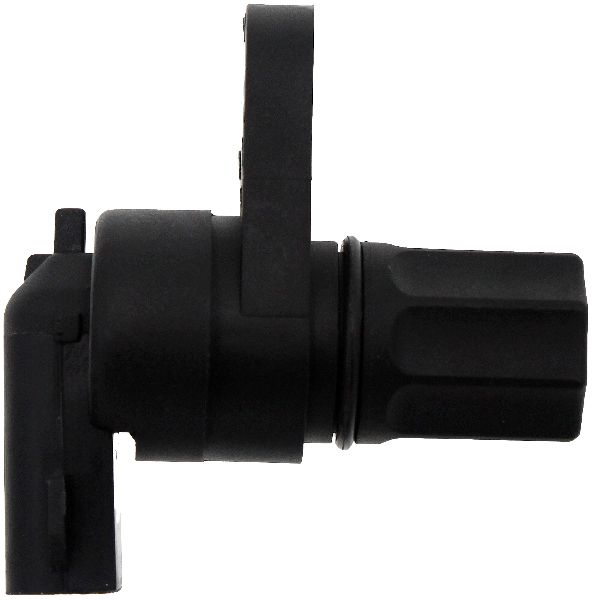
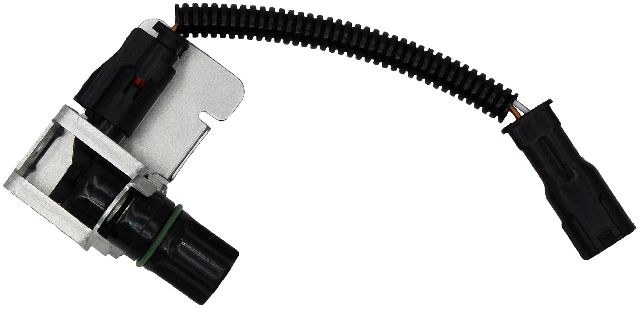
The primary sensor is located on the top of the rear differential housing. It is a two-terminal sensor held in by a single bolt.
We Have This Part in Stock


The information in this article is provided for general reference and educational purposes only. Vehicle specifications, procedures, and part compatibility can vary by production date, trim level, and region. Always consult your vehicle's factory service manual and verify part numbers before purchasing or performing repairs. Safety-critical components such as airbags, seat belts, and braking systems should be installed by a qualified professional.
- Dodge Ram 1500: