

Engine Coolant Temperature Sensor Guide for 1994-2001 Dodge Ram 1500
Fixing poor fuel economy or an erratic temperature gauge on your Ram starts with understanding this critical sensor.
- First, confirm if your truck has one or two coolant temperature sensors before buying.
- A bad sensor commonly causes poor fuel economy, a check engine light (P0117/P0118), and overheating.
- Replacement is an easy DIY job, but do not use Teflon tape on the threads as it can interfere with the sensor's ground.
- Investing in a quality brand like Mopar, Delphi, or NGK is recommended to avoid premature failure and inaccurate readings.
Is Your Ram Running Rough or Getting Bad Gas Mileage?

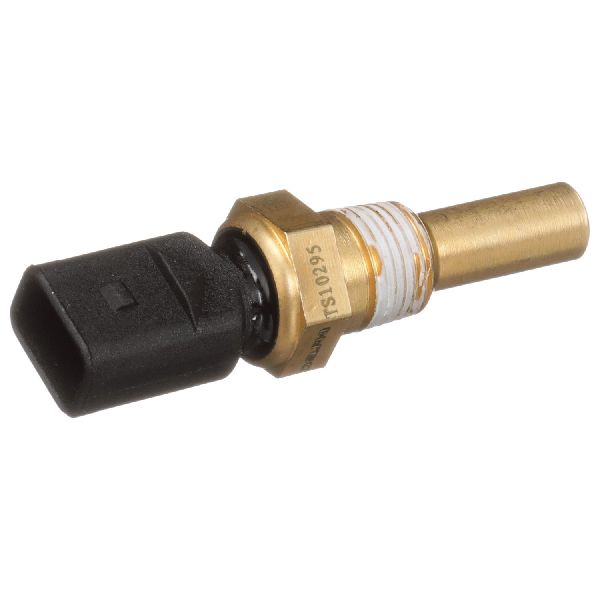
If your 1994-2001 Dodge Ram 1500 is showing signs of trouble like poor fuel economy, black exhaust smoke, or an engine that's hard to start, a faulty Engine Coolant Temperature (ECT) sensor could be the culprit. This sensor provides critical data to your truck's main computer. When it fails, it can cause a variety of noticeable engine problems. This guide will walk you through the symptoms, how to choose the right replacement part, and what to expect during the installation.
Important: One Sensor or Two?
Before buying a new sensor, you must know how many your truck has. This changed during this generation.
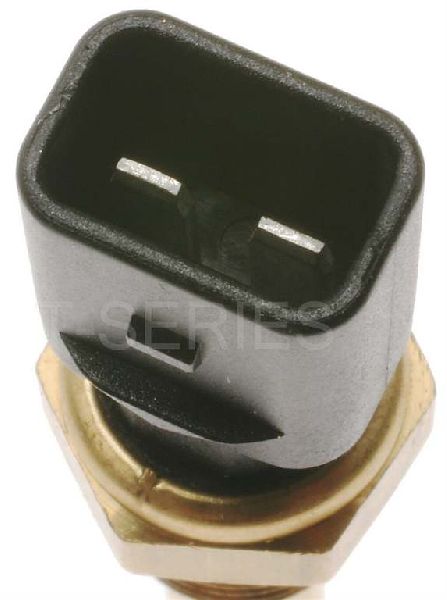
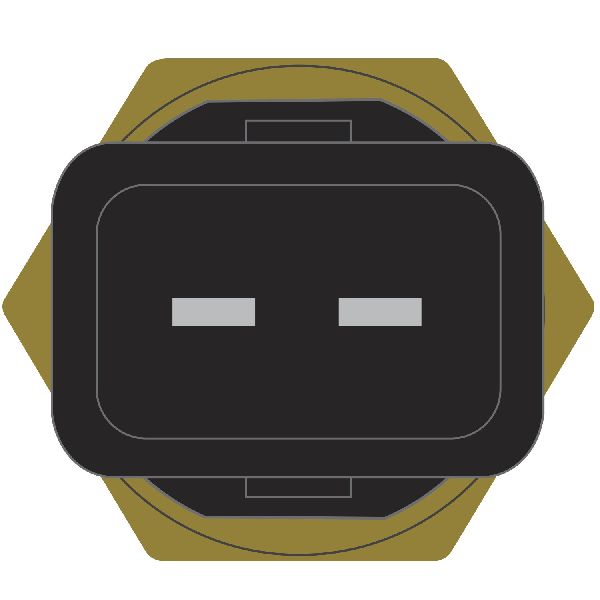
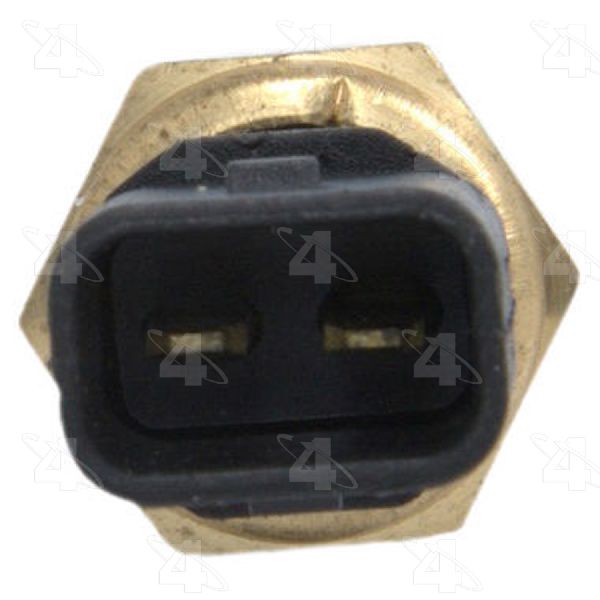
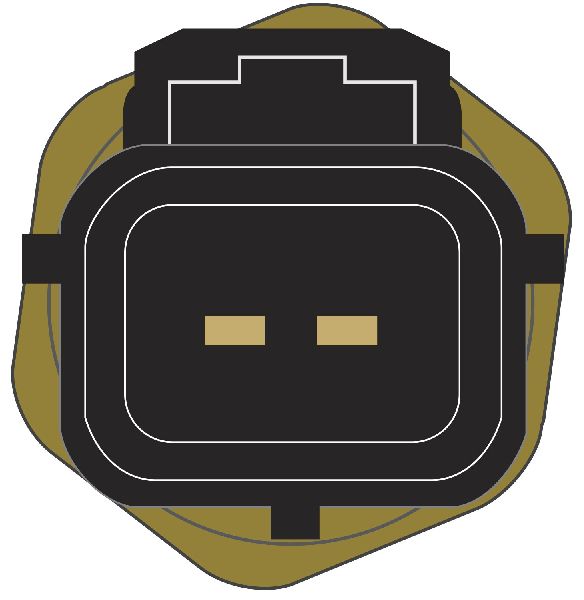
- 1994-1997 Models: These trucks often have two separate sensors located near the thermostat housing. One is a two-wire sensor for the engine computer (ECU), and the other is a one-wire sending unit for the temperature gauge on your dashboard.
- 1998-2001 Models: These trucks typically have a single, multi-function sensor that handles both the computer signal and the gauge reading.
Symptoms of a Failing Coolant Temperature Sensor

A bad ECT sensor can make your truck's computer think the engine is colder or hotter than it actually is. This leads to several problems:
- Check Engine Light: A failing sensor will often trigger the check engine light. Common trouble codes include P0117 (sensor circuit low, reading too hot) and P0118 (sensor circuit high, reading too cold).
- Poor Fuel Economy: If the sensor is stuck reading cold, the computer will dump extra fuel into the engine, thinking it needs to warm up. This wastes gas.
- Black Smoke from Exhaust: A side effect of the overly rich fuel mixture is black smoke, which is unburnt fuel exiting the tailpipe.
- Engine Overheating: If the sensor fails to tell the computer the engine is hot, the electric cooling fans may not turn on when needed, leading to overheating.
- Erratic Temperature Gauge: The needle on your dash may jump around, stay on cold, or shoot straight to hot, even on a cold engine.
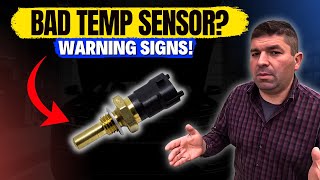
- Difficult Starts: The wrong temperature reading can throw off the fuel mixture needed to start the engine, causing it to run rough or fail to start. 🎬 Watch: 8 common symptoms of a bad coolant sensor
Choosing the Right Aftermarket Sensor: Brand Quality

For a sensor this critical to engine performance, brand quality matters. While many cheap options exist, they have a higher rate of being dead-on-arrival or failing prematurely. Here’s a breakdown of available brands:
- Premium Tier (OEM & OE-Equivalent):
- Mopar: This is the original factory part. It offers the highest likelihood of perfect fit and function but comes at the highest price.
- Delphi: Delphi is a well-respected Original Equipment (OE) manufacturer with a long history. Their sensors are built to meet or exceed factory specifications and are an excellent alternative to Mopar.
- NGK/NTK: Known for their quality ignition parts and sensors, NTK is another top-tier choice trusted by professionals.
- Mid-Grade (Reputable Aftermarket):
- Standard Ignition (Standard Motor Products): A huge name in the aftermarket, they offer a reliable product that is widely available. A solid choice for most repairs.
- Walker Products: Another established aftermarket brand that produces a wide range of engine management sensors.
- Economy Tier (Budget-Friendly):
- Four Seasons, Global Parts, True Tech, Skyward: These brands offer a cost-effective solution. While functional, they may not have the same long-term durability or precise calibration as premium brands. They can be a good option for a budget repair, but be aware of the potential for higher defect rates.
Pro Tip: Given the low part cost and the sensor's importance, spending a few extra dollars on a Mopar, Delphi, or NGK/NTK sensor is a smart investment to avoid future headaches and ensure your engine runs efficiently.
Installation Overview

Replacing the ECT sensor is a straightforward job for a DIYer. The sensor is threaded into the intake manifold, located behind the alternator near the thermostat housing.
- Disconnect the negative battery terminal.
- Remove the air cleaner assembly to get access.
- Place rags underneath the sensor to catch spilled coolant. You can also partially drain the radiator to minimize mess.
- Unplug the electrical connector.
- Use an open-end wrench or deep socket to unscrew the old sensor.
- Install the new sensor and tighten it until snug. Do not use Teflon tape or thread sealant, as the sensor may need to ground through its threads to function correctly.
- Reconnect the electrical plug, reinstall the air cleaner, and reconnect the battery.
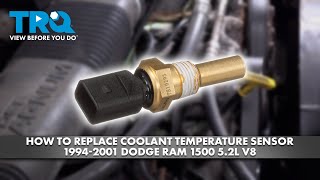
- Top off the coolant level and run the engine to check for leaks and ensure the temperature gauge reads correctly. 🎬 Watch this step-by-step 5.2L V8 sensor replacement walkthrough
Frequently Asked Questions (FAQ)
Do I need a special tool to replace the sensor?
No, a standard open-end wrench or a deep socket set is usually all that's needed. A 13mm socket or wrench is commonly used.
My truck has two sensors. Which one do I replace?
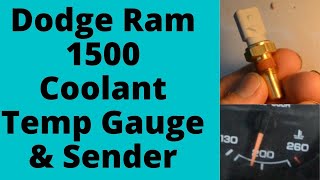
On older models with two sensors, the two-wire sensor typically sends information to the engine computer (for issues like bad fuel economy or a P0117/P0118 code). The one-wire sensor is usually for the dashboard temperature gauge. 🎬 See how to identify the gauge sender vs the sensor Replace the one related to the symptoms you are experiencing.
Are there any recalls for the coolant sensor on my Ram?
Searches of the National Highway Traffic Safety Administration (NHTSA) database did not show any specific recalls for the engine coolant temperature sensor on 1994-2001 Dodge Ram 1500 models.
Can I use thread sealant or Teflon tape on the new sensor?
It is not recommended. The sensor's metal body often serves as a ground path. Using sealant or tape can insulate the threads and cause incorrect readings or a complete failure to operate. The tapered pipe threads are designed to seal on their own.
Helpful Videos
Technical Specifications
OEM Part Numbers: 56027012 56004815
Located on the intake manifold near the thermostat housing. Early models (94-97) may use a two-sensor system (one for ECU, one for gauge), while later models (98-01) use a single sensor.
We Have This Part in Stock


The information in this article is provided for general reference and educational purposes only. Vehicle specifications, procedures, and part compatibility can vary by production date, trim level, and region. Always consult your vehicle's factory service manual and verify part numbers before purchasing or performing repairs. Safety-critical components such as airbags, seat belts, and braking systems should be installed by a qualified professional.
- Dodge Ram 1500: