

Engine Timing Set Guide for 1994-2001 Ford E-350 Econoline
Keep your workhorse van running strong by understanding its engine timing set needs.
- First, positively identify your engine (5.8L, 7.5L, 5.4L, or 6.8L) as the timing parts are completely different.
- For 5.4L/6.8L Triton engines, startup rattle is a critical warning sign of failing guides or tensioners that must be addressed.
- This is a very difficult repair; professional installation is strongly recommended to avoid catastrophic engine damage.
- When performing the repair, always replace the full kit and consider replacing the water pump and oil pump at the same time.
Understanding Your E-350's Engine Type
Before buying a timing set, you must know which engine is in your 1994-2001 Ford E-350 Econoline. This model range used several different engines, and the timing parts are not interchangeable.
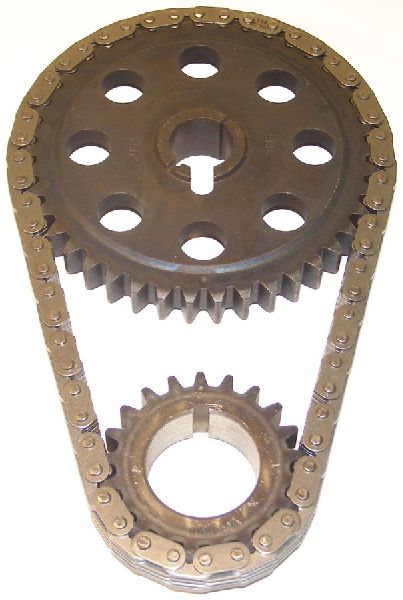
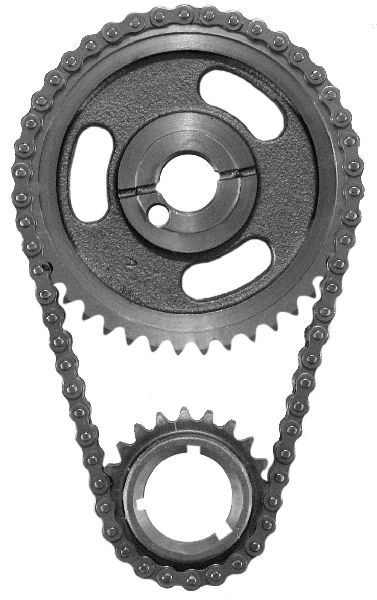
- 5.8L (351W) V8 & 7.5L (460) V8: These are older pushrod engines found in the earlier years of this range (up to 1996). They use a simpler, single-chain timing set.
- 5.4L Triton V8 & 6.8L Triton V10: These are Single Overhead Cam (SOHC) modular engines introduced around 1997. They use a more complex system with two long timing chains, plastic guides, and hydraulic tensioners. These are well-known for timing component issues.
- 7.3L Power Stroke Diesel V8: This engine does not use a timing chain. It has a gear-driven system that is extremely durable and does not require routine replacement.
This guide focuses on the gasoline V8 and V10 engines, as they are the ones that require timing set service.
Signs of a Failing Timing Set
A worn timing set gives several warning signs. Ignoring them can lead to a breakdown and a much more expensive repair. Listen and watch for these symptoms:
- Startup Rattle: A brief rattling or grinding noise when you first start the engine, especially when cold. This is a classic sign of worn tensioners or guides on the 5.4L and 6.8L Triton engines.
- Engine Noise: A persistent whining or buzzing sound from the front of the engine that changes with RPM.
- Rough Idle & Misfires: If the chain stretches or "jumps a tooth," the cam and crank timing will be off, causing the engine to run poorly.
- Check Engine Light: Codes related to camshaft or crankshaft position sensors (like P0340, P0016) can point to a loose timing chain.
- Metal Shavings in Oil: In severe cases, the chain can grind against the plastic guides or even the aluminum timing cover, putting debris into the engine oil.
Critical Warning for Triton Engine Owners
The 5.4L and 6.8L Triton engines are known for issues with their original plastic timing chain guides and tensioners. The guides can become brittle and break, and the tensioner seals can fail, causing a loss of oil pressure that keeps the chain tight. This is a very common failure point. When replacing the set, it is crucial to use a quality kit with updated components.
Choosing the Right Aftermarket Timing Set
When it comes to a job this big, part quality is everything. You don't want to do it twice. Here’s a breakdown of available brands to help you choose.
Tier 1: Premium & OEM Quality
These brands are trusted by professional mechanics and often meet or exceed original equipment specifications. Many forum users recommend sticking to OEM Ford parts for critical components like chains and tensioners, but consider Melling a top-tier alternative.
- Ford Performance: OEM parts designed for durability. They are a safe, reliable choice but often the most expensive.
- Melling / Melling Select Performance: Highly regarded in the Ford community. They are known for making high-quality oil pumps and timing components. Some Melling kits offer upgrades like cast iron tensioners instead of the original plastic ones for Triton engines.
- INA: Often an original equipment manufacturer for various engine components, including tensioners. If you find INA parts in a kit, it's a good sign of quality.
Tier 2: Reputable Aftermarket
These brands offer a good balance of quality and price. They are a solid choice for a daily driver or work van.
- Cloyes: A long-standing name in timing components. While some users have reported a decline in quality in recent years, many still use their kits successfully. Their kits are widely available and often more affordable than OEM.
- Edelbrock: Known for performance parts, their timing sets are typically well-made and durable, often featuring double roller chains for older pushrod engines. This might be overkill for a stock work van but is a quality option.
Pro Tip: Replace More Than Just the Timing Set
The timing set replacement is a labor-intensive job that requires removing many parts from the front of the engine. While you're in there, it is highly recommended to also replace:
- Water Pump: It's located right behind the timing cover.
- Oil Pump: Especially on Triton engines, a new high-volume Melling oil pump is a popular and wise upgrade.
- Front Crankshaft Seal & Timing Cover Gaskets: These should always be replaced to prevent oil leaks.
Estimated Replacement Costs
The cost can vary significantly based on your engine type and local labor rates. The job is much more complex on the SOHC Triton engines than the older pushrod V8s.
| Part/Service | Estimated Cost |
|---|---|
| New Aftermarket Timing Set | $42 - $476 |
| New OEM Timing Set | $350 - $600+ |
| Shop Labor | $1,300 - $2,100 |
| Total Professional Job | $1,350 - $2,700+ |
Frequently Asked Questions (FAQ)
Can I replace just the broken guide or tensioner?
This is not recommended. The timing chain, sprockets, guides, and tensioners all wear together as a system. If one part has failed, the others are likely worn as well. Always replace the entire set to ensure a long-lasting repair.
Should I use cast iron tensioners on my 5.4L/6.8L Triton?
This is a common debate. The original 2-valve 5.4L engines used durable cast iron tensioners. Many owners of later models upgrade to these when doing a timing job. However, some experts argue that the newer, non-ratcheting plastic tensioners were designed for a reason and that the iron ones can put too much constant tension on the long chains, potentially causing premature wear. Using an updated OEM-style tensioner from a quality brand is the safest bet.
How often should the timing set be replaced?
Timing chains are designed to last a long time, often over 150,000 miles. However, on the 5.4L and 6.8L Triton engines, you should listen for warning signs like startup rattle as early as 100,000 miles. For the older 5.8L and 7.5L engines, replacement is typically only needed if symptoms appear.
Is this a DIY job?
For most people, no. This is a complex and difficult job, especially on the Triton engines in a van chassis where access is very limited. It requires special tools and a deep understanding of engine mechanics to set the timing correctly. An error can destroy the engine. This job is best left to an experienced professional.
Technical Specifications
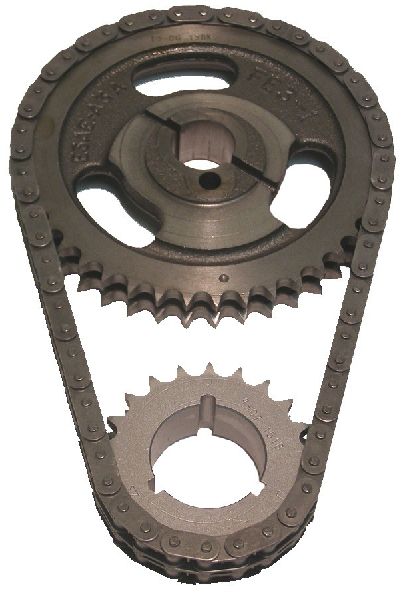
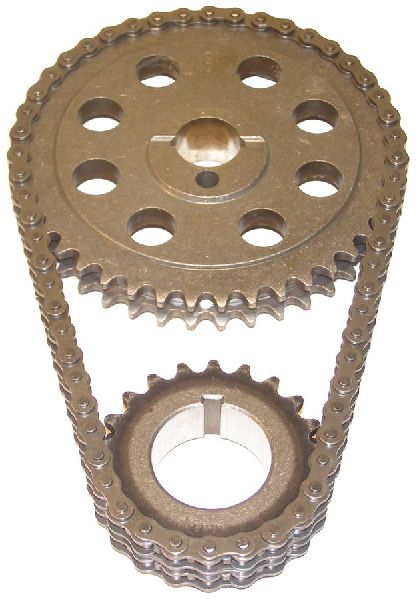
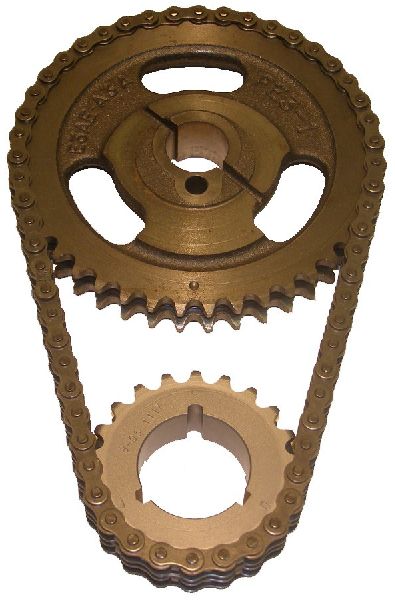
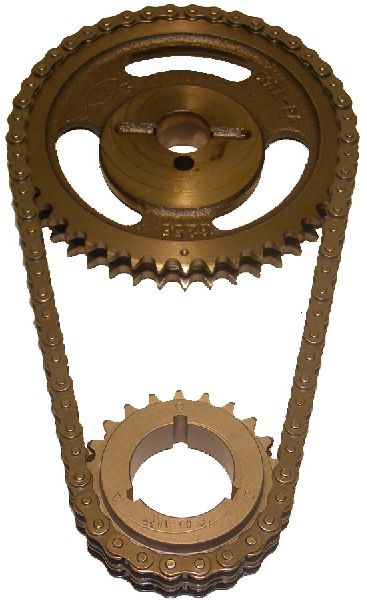
Varies by engine. Pushrod engines (5.8L, 7.5L) use a single roller or double roller chain set. SOHC Modular engines (5.4L, 6.8L) use two long chains with multiple plastic guides and two hydraulic tensioners.
We Have This Part in Stock

The information in this article is provided for general reference and educational purposes only. Vehicle specifications, procedures, and part compatibility can vary by production date, trim level, and region. Always consult your vehicle's factory service manual and verify part numbers before purchasing or performing repairs. Safety-critical components such as airbags, seat belts, and braking systems should be installed by a qualified professional.
- Ford E-350 Econoline:
- 🛍️ Shop This Part
- Understanding Your E-350's Engine Type
- Signs of a Failing Timing Set
- Critical Warning for Triton Engine Owners
- Choosing the Right Aftermarket Timing Set
- Tier 1: Premium & OEM Quality
- Tier 2: Reputable Aftermarket
- Pro Tip: Replace More Than Just the Timing Set
- Estimated Replacement Costs
- Frequently Asked Questions (FAQ)
- 🎟️ Get 5% Off