

Engine Crankshaft Position Sensor Guide for 1994-2001 GMC Yukon
Address stalling, no-starts, and poor performance by understanding and choosing the right crankshaft sensor for your Yukon.
- For 1996+ models, a 'CASE Relearn' procedure with a scan tool is required after replacement to avoid performance issues.
- Symptoms like stalling and no-start can also be caused by fuel system or other ignition parts, so proper diagnosis is key.
- Choosing a premium brand like ACDelco or Delphi is highly recommended for this critical sensor to ensure reliability and avoid repeat repairs.
- A failing sensor is a major safety risk as it can cause the engine to stall at any time while driving.
Is Your Yukon Stalling or Not Starting? It Could Be the Crankshaft Sensor.
If you own a 1994-2001 GMC Yukon, you have a durable truck, but some parts wear out over time. The crankshaft position sensor is one of them. A failing sensor can cause symptoms that appear suddenly and can be confusing. Understanding these signs is the first step to getting your truck running right again.
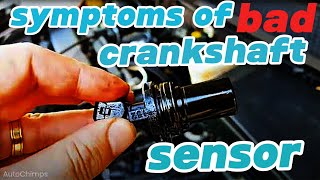
🎬 Watch this video to see common symptoms of sensor failure.Symptoms of a Failing Crankshaft Position Sensor
A bad crankshaft sensor can mimic other problems, like a bad fuel pump or ignition module. Here are the most common signs specific to the 1994-2001 Yukon:
- Engine Stalls Unexpectedly: The engine may shut off while you are driving, sometimes for no apparent reason. It might restart after cooling down or not at all. This is a serious safety risk.
- No-Start or Hard Starting: The engine cranks but won't start, or takes a long time to fire up. The ECM needs the crank signal to initiate spark and fuel.
- Check Engine Light: A failing sensor will often trigger the Check Engine Light. The most common trouble code is P0335 (Crankshaft Position Sensor "A" Circuit Malfunction).
- Rough Idle and Misfires: Your truck may idle poorly, shake, or you might feel the engine misfiring. This happens because the ECM can't properly time the spark and fuel delivery.
- Poor Acceleration: The truck may feel sluggish or hesitate when you press the gas pedal.
Important: Crankshaft Variation Relearn Procedure
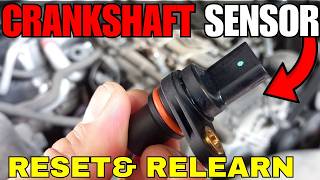
For 1996 and newer Yukons, replacing the crankshaft position sensor requires a special procedure called a "Crankshaft Variation Relearn" or "CASE Relearn." This procedure uses a diagnostic scan tool to synchronize the new sensor with the engine computer. If this is not done, you may continue to have a Check Engine Light (with code P1336), misfires, and poor performance even with a new part. Most DIY mechanics do not have the tool for this, so you may need to visit a shop after installing the part.
🎬 Learn how to perform a crankshaft variation relearn procedure.Choosing the Right Aftermarket Crankshaft Sensor
For a critical sensor like this, part quality matters. While you can save money with aftermarket parts, choosing the wrong brand can mean you'll be replacing it again soon. Here is a breakdown of available brands to help you decide.
| Brand Tier | Brands | General Assessment |
|---|---|---|
| Premium Aftermarket / OEM Supplier | ACDelco, Delphi | ACDelco is the original equipment (OE) supplier for General Motors. Delphi is also a well-regarded OE supplier for many electronic parts. For reliability and peace of mind, these brands are your best bet and are highly recommended by mechanics for critical sensors. |
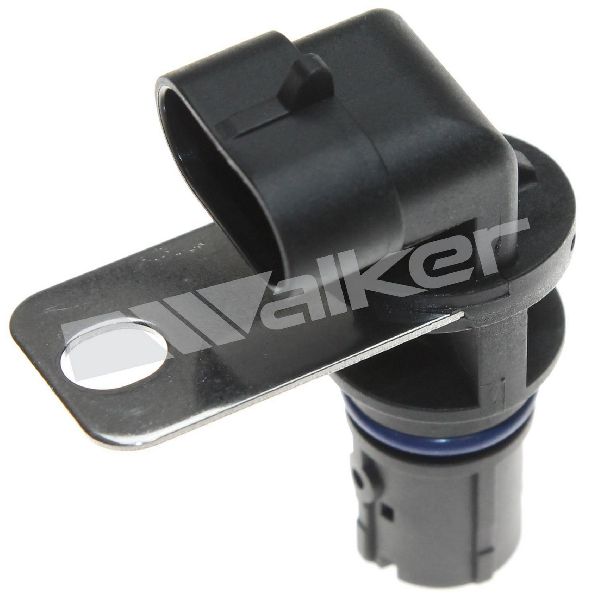
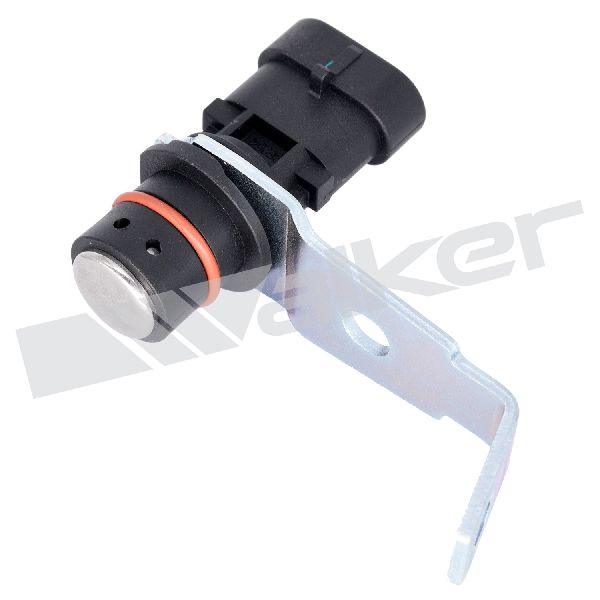
| Quality Standard Aftermarket | NGK/NTK, Hitachi, Standard Ignition (SMP), Walker Products, Beck Arnley | These are reputable aftermarket brands known for producing quality electronic components. They offer a good balance of price and reliability and are a solid choice if a premium brand isn't in the budget. |
| Economy Aftermarket | Dorman, Spectra, Prenco, True Tech, Global Parts | These brands offer the most budget-friendly options. While Dorman is a very popular aftermarket brand, forum discussions suggest that for critical electronic sensors, quality can sometimes be inconsistent compared to OE-level brands. These parts can be a viable option, but be aware of the potential for a shorter service life. |
A Note on Recalls
In 2007, GM issued a safety recall (NHTSA Campaign ID: 07V521000, GM Recall No. 06083) for some 2001 GMC Yukon XL models equipped with the 8.1L V8 engine due to crankshaft position sensor failure. This recall did not apply to the more common 4.8L, 5.3L, or 5.7L engines in this year range, but it highlights that sensor failure is a known issue for this vehicle platform.
Frequently Asked Questions (FAQ)
Where is the crankshaft position sensor located on my 1994-2001 Yukon?
On the V8 engines in this generation (like the 5.7L Vortec), the crankshaft position sensor is typically located on the front of the engine, behind the harmonic balancer. It is mounted to the timing cover and reads a reluctor wheel on the crankshaft. You will need to remove a plastic cover to access it.
Can I replace this sensor myself?
Yes, this is a DIY-feasible job for someone with moderate mechanical skill. However, access can be tight, and you will need to remove the serpentine belt and potentially the harmonic balancer pulley. The biggest challenge for 1996+ models is the required CASE relearn procedure, which needs a professional scan tool. Without this step, the truck may not run correctly after the repair.
What is the most common mistake when ordering this part?
The most common mistake is not verifying the engine size. The 1994-2001 Yukon was available with several different engines, including the 5.7L V8, and later the 4.8L and 5.3L V8s. Always confirm your specific engine to ensure you order the correct sensor with the right connector and mounting style.
Should I buy an OEM or Aftermarket sensor?
For critical sensors like the crankshaft position sensor, using an OEM (ACDelco) or premium aftermarket (Delphi) part is strongly recommended. While cheaper options exist, they have a higher reported failure rate, and the labor involved (plus the potential need for a tow) makes it worth spending a little more for a reliable part.
Could my problem be something else?
Yes. The symptoms of a bad crankshaft sensor—stalling, no-start, rough idle—can also be caused by a failing fuel pump, a bad ignition control module, a clogged fuel filter, or even a faulty fuel pump relay. If a new sensor doesn't fix the issue, these are the next components to investigate.
🎬 See how to test and diagnose a P0336 sensor code.Helpful Videos
Technical Specifications
OEM Part Numbers: 19417445 213-354 213-4761
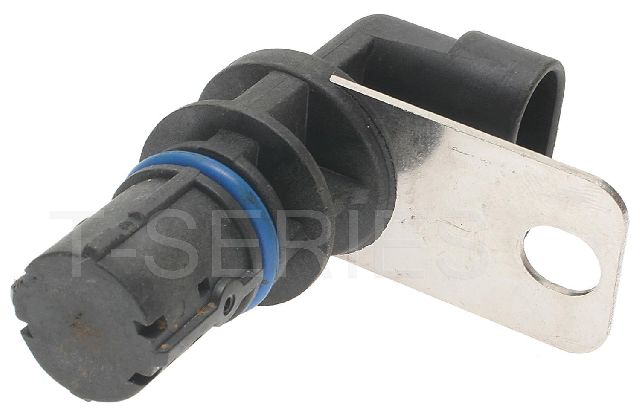
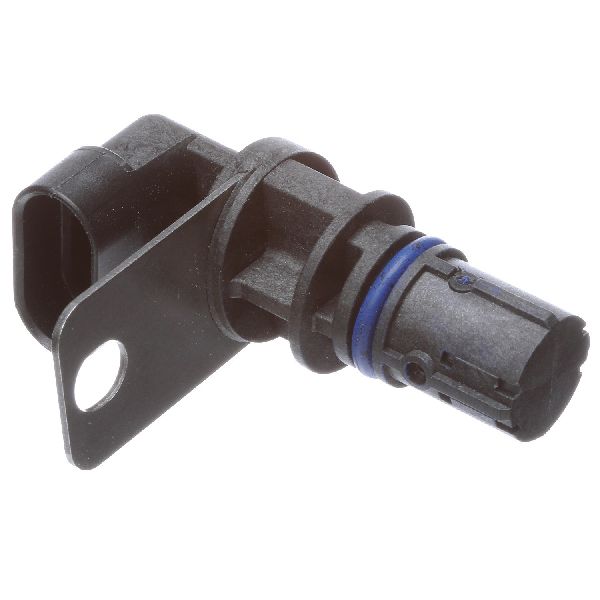
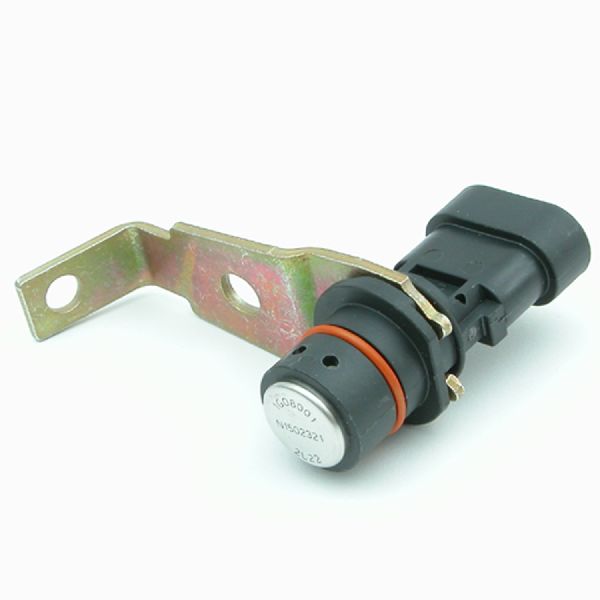
This sensor is a magnetic pickup type that generates a signal as the toothed reluctor wheel on the crankshaft rotates past it. It typically has a 3-pin electrical connector. For 1996 and newer models, it works in conjunction with the camshaft position sensor to determine precise engine timing.
We Have This Part in Stock


The information in this article is provided for general reference and educational purposes only. Vehicle specifications, procedures, and part compatibility can vary by production date, trim level, and region. Always consult your vehicle's factory service manual and verify part numbers before purchasing or performing repairs. Safety-critical components such as airbags, seat belts, and braking systems should be installed by a qualified professional.
- GMC Yukon:
- 🎬 Helpful Videos
- 🛍️ Shop This Part
- Is Your Yukon Stalling or Not Starting? It Could Be the Crankshaft Sensor.
- Symptoms of a Failing Crankshaft Position Sensor
- Important: Crankshaft Variation Relearn Procedure
- Choosing the Right Aftermarket Crankshaft Sensor
- A Note on Recalls
- Frequently Asked Questions (FAQ)
- 🎟️ Get 5% Off