

Kia Sephia Accessory Drive Belt Guide (1994-2001): What Owners Need to Know
Your 1994-2001 Sephia has two accessory drive belts, not one, and understanding their roles is critical.
- The 1994-2001 Sephia has two separate accessory belts, not a single serpentine belt.
- The inner belt is critical, running the water pump and alternator; its failure will stop the car.
- It is highly recommended to replace both belts at the same time to save on labor.
- Tension is set manually, which makes DIY replacement more challenging than on modern cars.
Understanding Your Sephia's Unique Belt System
The 1994-2001 Kia Sephia features a dual V-ribbed belt setup. The inner belt is essential for engine operation, powering the water pump and alternator. The outer belt handles comfort and convenience features like power steering and A/C. This system also lacks a modern automatic spring-loaded tensioner. Instead, belt tension is set manually by loosening and adjusting the alternator and the power steering pump, which can make replacement more challenging than on newer vehicles.
Symptoms of a Failing Drive Belt
A worn-out belt will almost always give you a warning before it fails completely. Ignoring these signs can leave you stranded and risk engine damage.
- Squealing Noises: The most common sign is a high-pitched squeal or chirp, especially when you start the engine, accelerate, or turn the steering wheel. This is caused by a worn or loose belt slipping 🎬 See how to diagnose exactly where that squeaking noise is coming from. on the pulleys.
- Battery Warning Light: If the inner belt slips or breaks, the alternator will stop charging the battery. A battery warning light on your dashboard is a serious sign that you need to pull over.
- Engine Overheating: The inner belt also runs the water pump. If it fails, coolant stops circulating, and the engine will overheat very quickly, which can cause catastrophic damage.
- Stiff Power Steering: If the outer belt snaps, you will instantly lose power steering assist. The steering wheel will become very difficult to turn, creating a safety hazard.
- Visible Wear and Tear: Inspect the belts. If you see cracks, frayed edges, missing ribs, or a shiny, glazed surface, they are past their service life and need to be replaced.
No Recalls or TSBs Found
Searches of the National Highway Traffic Safety Administration (NHTSA) database show no specific recalls or Technical Service Bulletins (TSBs) for the accessory drive belts on the 1994-2001 Kia Sephia. Routine inspection remains the best way to ensure reliability.
Choosing the Right Aftermarket Belts
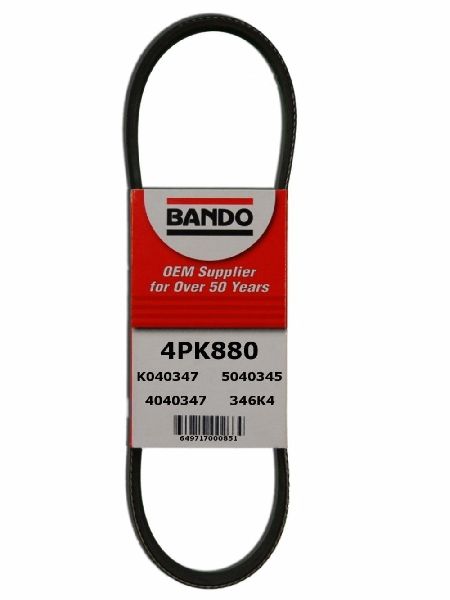
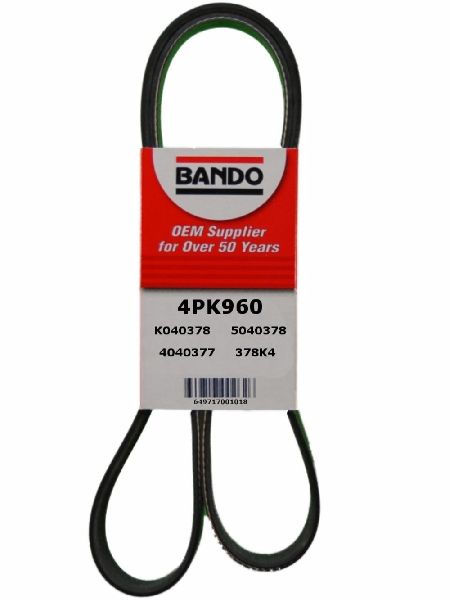
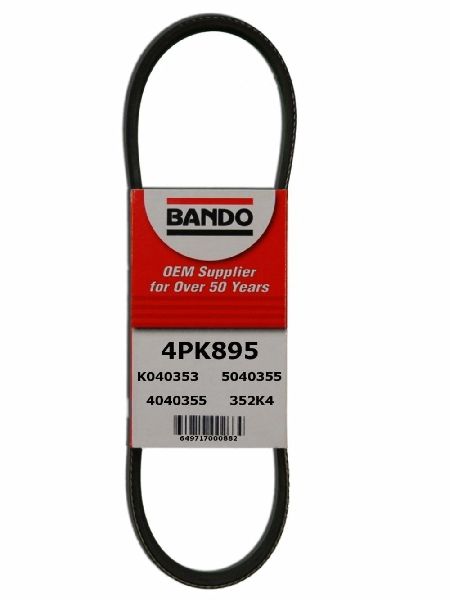
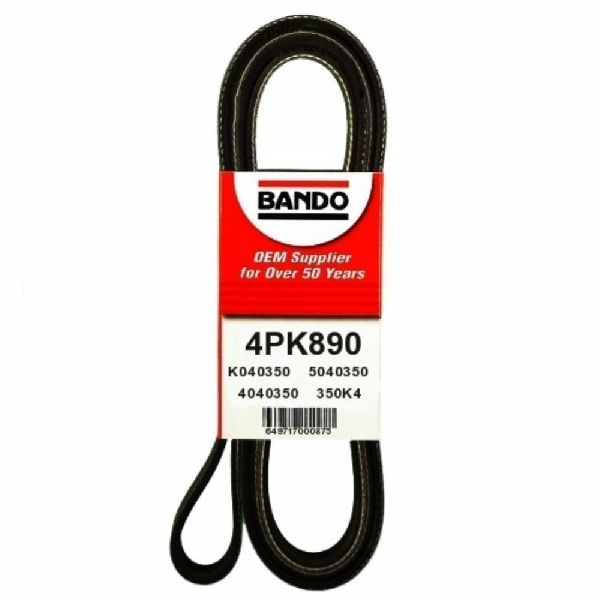
For a vehicle like the Sephia, high-quality aftermarket belts provide excellent performance and value. There is little need to track down expensive original parts. The key is to choose a reputable brand.
| Brand Tier | Brand | Assessment |
|---|---|---|
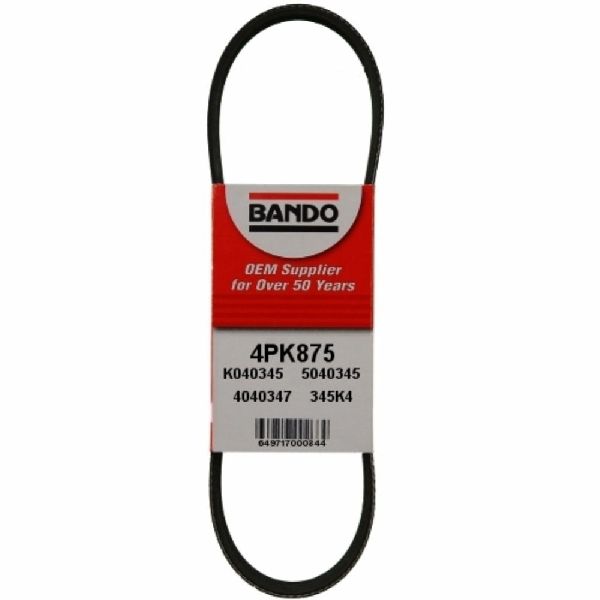
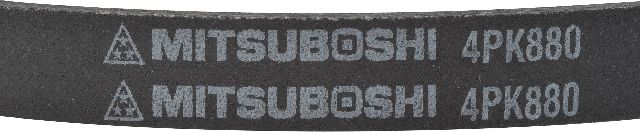
| Excellent (OEM Supplier) | Bando / Mitsuboshi | Bando and Mitsuboshi are often the original equipment manufacturers for many Japanese and Korean vehicles. Choosing either of these brands is as close to original quality as you can get. They are known for durability and a quiet, reliable performance. |
| Good (Trusted Aftermarket) | ACDelco | ACDelco is a major parts supplier, primarily for GM vehicles, but their aftermarket belts are well-regarded for quality and reliability. While not an OEM supplier for Kia, they are a dependable choice that meets or exceeds factory specifications. |
Pro Tip: Replace Both Belts at Once
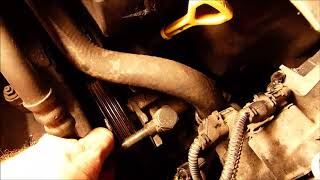
To replace the inner belt (alternator/water pump), the outer belt (power steering/AC) must be removed first. To save on future labor costs and ensure the entire system is reliable, it is highly recommended to replace both belts at the same time.
🎬 Watch: A complete walkthrough of the inner and outer belt replacement.Frequently Asked Questions (FAQ)
How do I know which belts to buy for my Sephia?
The 1994-2001 Sephia was available with different engines (1.6L and 1.8L) and options (with or without A/C). This means there are several different belt lengths. Always confirm the belts fit your exact year, engine size, and options before purchasing.
How tight should the new belts be?
Since there is no automatic tensioner, tension is set by hand. A common rule is that at the longest span between two pulleys, you should be able to twist the belt about 90 degrees (a quarter turn) with your fingers. An over-tightened belt can damage the bearings in your alternator or power steering pump, while a loose belt will slip and squeal.
Is this a good DIY job for a beginner?
This job is more difficult than on a modern car because it requires manually setting the tension by prying on components while tightening bolts, often from under the vehicle. While possible for a determined DIYer, it can be frustrating. If you are not comfortable setting belt tension by feel, it may be best to leave this job to a professional.
Is the accessory belt the same as the timing belt?
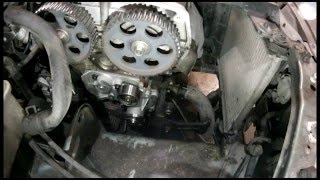
No. The two accessory belts are visible on the side of the engine. The timing belt is hidden behind a plastic cover and is critical for the engine's internal timing. While they are different parts, on some Sephia engines the water pump is driven by the accessory belt, while on others it may be driven by the timing belt. It is crucial to know which setup your car has.
🎬 Watch: How to replace the timing belt and water pump.Helpful Videos
Technical Specifications
OEM Part Numbers: 0K21A18381 1K2N515909 1K2N615908 0K01118381A 1K2AA15908
System Type: Dual V-Ribbed Belts Tensioner Type: Manual (Adjustable Alternator and Power Steering Pump)
We Have This Part in Stock

The information in this article is provided for general reference and educational purposes only. Vehicle specifications, procedures, and part compatibility can vary by production date, trim level, and region. Always consult your vehicle's factory service manual and verify part numbers before purchasing or performing repairs. Safety-critical components such as airbags, seat belts, and braking systems should be installed by a qualified professional.
- Kia Sephia: