

A Comprehensive Guide to Brake Pads for the 1994-2001 Kia Sephia
Address common wear issues and choose the right aftermarket pads for reliable stopping power in your Sephia.
- Due to historical issues with original parts, modern aftermarket pads are a reliable and often superior choice for your Sephia.
- For most drivers, premium ceramic pads from brands like Bosch, Wagner, or Akebono offer the best balance of quiet performance and low dust.
- Always plan to replace your brake rotors at the same time as your pads for the safest and most effective results.
- This is a very DIY-friendly job that can be completed with basic hand tools in about an hour or two.
Symptoms of Worn Brake Pads on a Kia Sephia
When your Sephia's brake pads are nearing the end of their life, they will give you several warning signs. Ignoring these can lead to more expensive repairs and unsafe driving conditions.
- Squealing or Screeching Noises: Most brake pads have a small metal tab called a wear indicator. When the pad material gets too thin, this tab scrapes against the brake rotor, making a high-pitched squeal whenever you apply the brakes. This is the most common first sign.
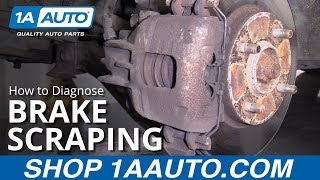
- Grinding Sounds: A loud, harsh grinding or growling noise means the brake pad material is completely gone. This is a critical warning that the metal backing plate of the pad is grinding against the rotor, causing significant damage. 🎬 Watch: How to diagnose different brake noises and vibrations.
- Vibration or Pulsing: If you feel a pulsing or vibration in the brake pedal or steering wheel when you brake, it often means the brake rotors have become warped, which can be caused by excessively worn pads.
- Increased Stopping Distance: If you notice your Sephia is taking longer to stop than it used to, your brake pads may be too worn to create effective friction.
A Note on Historical Brake Wear
Owners of 1997-2000 Kia Sephia models may be aware of a past class-action lawsuit regarding premature wear of the original factory brake pads and rotors. Some owners reported needing replacements very frequently. While this was a known issue with the original parts, it's important to know that modern aftermarket brake pads are made with different materials and manufacturing standards. A quality aftermarket set should provide a normal service life without the rapid wear issues seen in the past.
Choosing the Right Aftermarket Brake Pads
For a vehicle like the 1994-2001 Sephia, the aftermarket offers a wide range of brake pads that often meet or exceed the quality of the original parts. The key is to choose a pad that matches your budget and driving style. The brands available can be grouped into three main tiers.
Economy / Daily Driver Pads
These pads are designed for normal, everyday commuting. They offer reliable stopping power for a low price, making them a great value for getting your Sephia back on the road safely. They are typically made from organic or basic semi-metallic materials.
- Brands: Total Stopping Solutions, Dynamic Friction, and entry-level lines from Centric or Raybestos.
- Best for: Drivers on a tight budget who use their Sephia for standard A-to-B transportation.
Premium Daily Driver Pads
This is the sweet spot for most owners. These pads offer a significant upgrade over economy options in terms of noise, dust, and durability. Many use ceramic or advanced semi-metallic formulas that are quiet and gentle on your brake rotors.
- Brands: Akebono, Bosch, Wagner Brakes, Bendix, and premium lines from Centric and Raybestos.
- Best for: The average driver who wants quiet, clean, and long-lasting brakes with performance similar or better than the car had when it was new.
Performance / Heavy-Duty Pads
While the Kia Sephia is not a race car, performance pads offer the strongest bite and best resistance to brake fade under high heat. They are made from aggressive semi-metallic compounds. This is generally overkill for a Sephia but is an option for those who want the absolute maximum in stopping power.
- Brands: EBC Brakes, Powerstop, Brembo.
- Best for: Enthusiasts or those who simply want the highest level of braking performance available. Be aware they may produce more noise and dust than premium ceramic pads.
| Item | Estimated Cost |
|---|---|
| Aftermarket Disc Brake Pad Set (Parts Only) | $10.75 - $62.23 |
| Shop Labor Cost | $100 - $200 |
| Total Professional Replacement (per axle) | $110 - $262 |
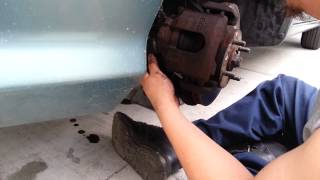
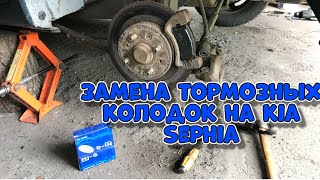
Pro Tip: Replacing brake pads on a 1994-2001 Sephia is a straightforward job that many owners can do themselves with basic tools, saving on labor costs. 🎬 See this walkthrough for replacing brakes on a 2000 Sephia. You will typically need a jack and jack stands, a lug wrench, a C-clamp to compress the caliper piston, and either an Allen wrench or a T45 Torx bit for the caliper bolts.
Frequently Asked Questions (FAQ)
Should I choose ceramic or semi-metallic pads for my Sephia?
For most Sephia owners, ceramic pads are the best choice. They are very quiet, produce little brake dust to keep your wheels clean, and are gentle on the brake rotors. Semi-metallic pads offer slightly more stopping power in extreme conditions but can be noisier and wear rotors faster. Given the Sephia's intended use, the comfort and cleanliness of ceramic pads are usually preferred.
Do I have to replace my brake rotors at the same time as the pads?
It is highly recommended. If your rotors are worn, grooved, or warped, putting new pads on them will cause uneven wear, noise, and reduced performance. Given the historical issues with premature rotor wear on these cars and the low cost of new aftermarket rotors, replacing pads and rotors together ensures a safe, quiet, and long-lasting brake job.
How do I know if my Sephia has rear disc or rear drum brakes?
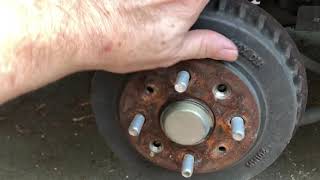
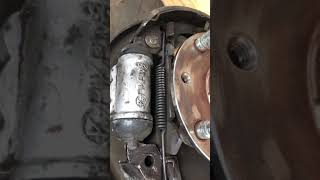
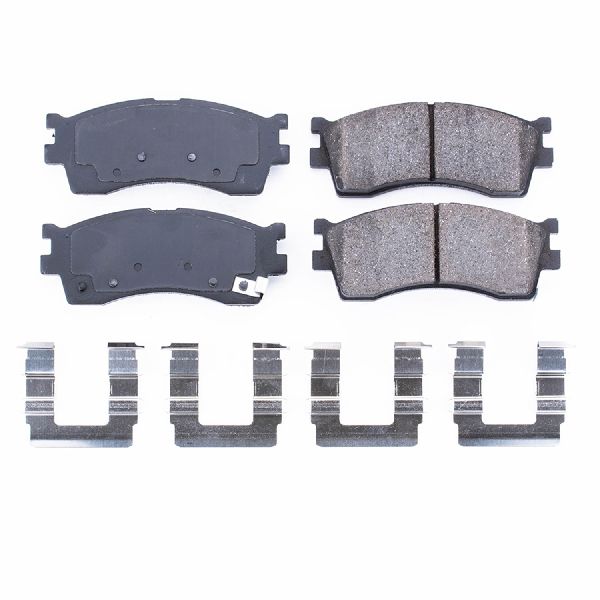
The easiest way to tell is to look through the spokes of your rear wheels. If you see a flat, circular disc (the rotor) with a caliper assembly clamped onto it, you have disc brakes. If you see a solid, enclosed metal drum, you have drum brakes. This Disc Brake Pad Set is only for axles with disc brakes. Some Sephias in this year range came with rear drums, which use different parts called brake shoes.
🎬 Watch: A guide to replacing rear drum brake shoes.Are there any recalls for the 1994-2001 Kia Sephia brakes?
No, there have been no official safety recalls issued by the NHTSA for the brake pads or rotors on the 1994-2001 Kia Sephia. There was a lawsuit concerning premature wear on earlier models, but this did not result in a recall.
Helpful Videos
Technical Specifications
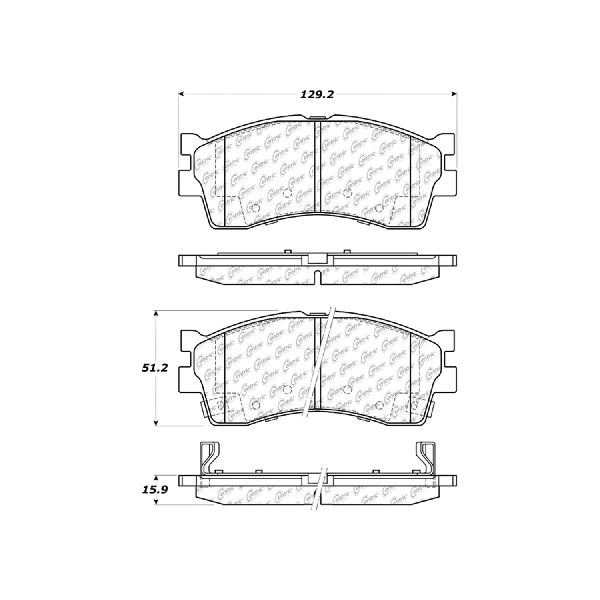
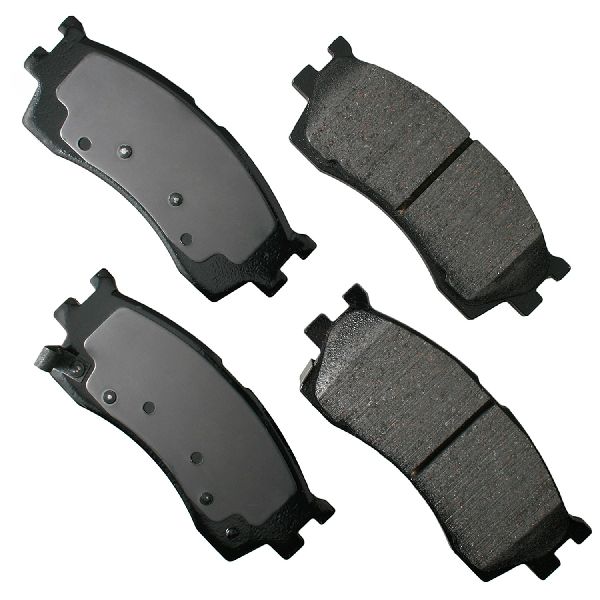
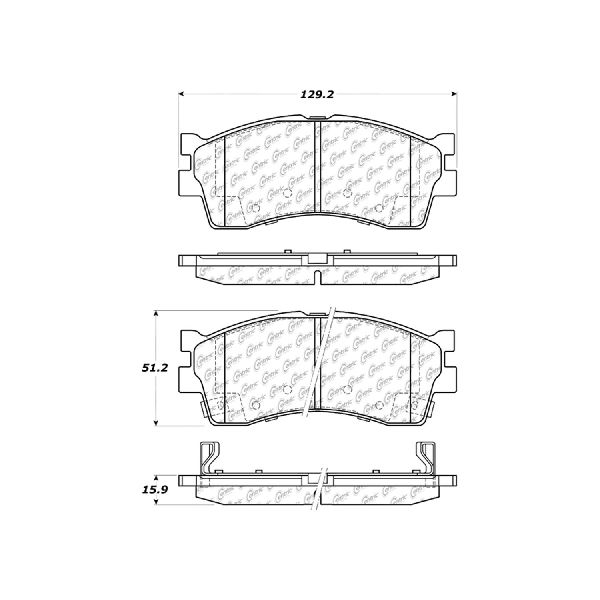
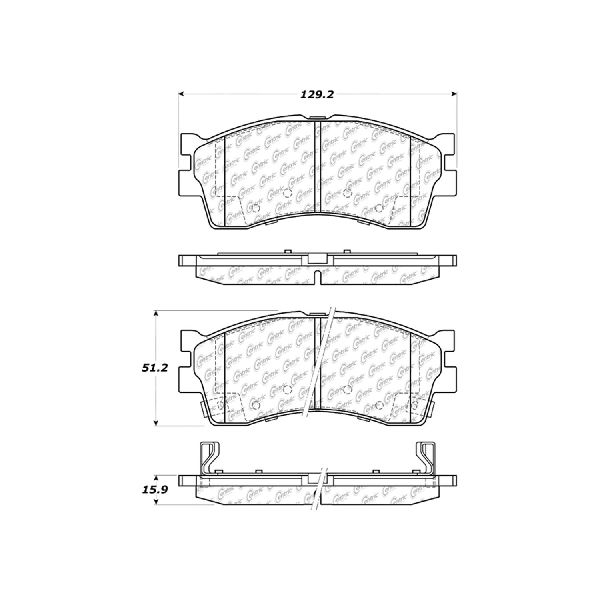
Brake pad replacement on the 1994-2001 Kia Sephia is a standard procedure. Some models use rear drum brakes, so confirm you are ordering for a disc brake axle. The front caliper bolts are typically removed with an Allen key or a T45 Torx socket. No specialized tools are required beyond a piston compression tool or a large C-clamp.
We Have This Part in Stock

The information in this article is provided for general reference and educational purposes only. Vehicle specifications, procedures, and part compatibility can vary by production date, trim level, and region. Always consult your vehicle's factory service manual and verify part numbers before purchasing or performing repairs. Safety-critical components such as airbags, seat belts, and braking systems should be installed by a qualified professional.
- Kia Sephia: