

A Comprehensive Guide to the Oxygen Sensor on Your 1994-2001 Kia Sephia
Understand the symptoms of a failing O2 sensor and learn how to choose the best aftermarket replacement for your Sephia.
- 1996-2001 Sephia models have two O2 sensors (upstream and downstream), while earlier 1994-1995 models typically have only one.
- A bad O2 sensor will almost always trigger the Check Engine Light and cause poor fuel economy and a rough idle.
- For a reliable, long-lasting repair, choose a direct-fit sensor from a reputable aftermarket brand like Denso, NGK, or Bosch.
- Using a special O2 sensor socket and applying anti-seize to the new sensor's threads will make the job much easier.
Understanding Your Sephia's Oxygen Sensor
The oxygen sensor is a small but vital component screwed into your exhaust system. Its job is to help your engine burn fuel as efficiently as possible. When it starts to fail, you'll notice a decline in your car's performance and fuel efficiency. For a vehicle like the 1994-2001 Kia Sephia, replacing a bad O2 sensor is a straightforward repair that can make a big difference in how your car drives.
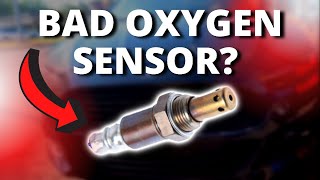
🎬 Watch this video to identify common symptoms of sensor failure.Generation Differences: How Many Sensors Do I Have?
A common point of confusion is the number of oxygen sensors in the 1994-2001 Kia Sephia. The answer depends on your vehicle's model year, which determines whether it uses an OBD-I or OBD-II diagnostic system.
- 1994-1995 Sephia (OBD-I): These earlier models typically have only one oxygen sensor. It is located "upstream," which means it's in the exhaust manifold before the catalytic converter.
- 1996-2001 Sephia (OBD-II): With the mandate of OBD-II systems in 1996, these models have two oxygen sensors.
- Upstream Sensor (Bank 1, Sensor 1): Located before the catalytic converter, this sensor is responsible for primary air-fuel mixture adjustments.
- Downstream Sensor (Bank 1, Sensor 2): Located after the catalytic converter, this sensor's main job is to monitor the converter's efficiency.
Pro Tip: Upstream vs. Downstream
The upstream and downstream sensors are often not interchangeable, even if they look similar. Always verify the correct part for the specific location. The upstream sensor does most of the work for engine tuning, while the downstream sensor checks the catalytic converter's health.
Choosing the Right Aftermarket Oxygen Sensor
For a vehicle of this age, a high-quality aftermarket oxygen sensor offers the same performance as an OEM part for a fraction of the cost. However, not all aftermarket brands are created equal. Avoid the cheapest, no-name options, as they often fail quickly and can cause more problems. Here’s a breakdown of trusted brands:
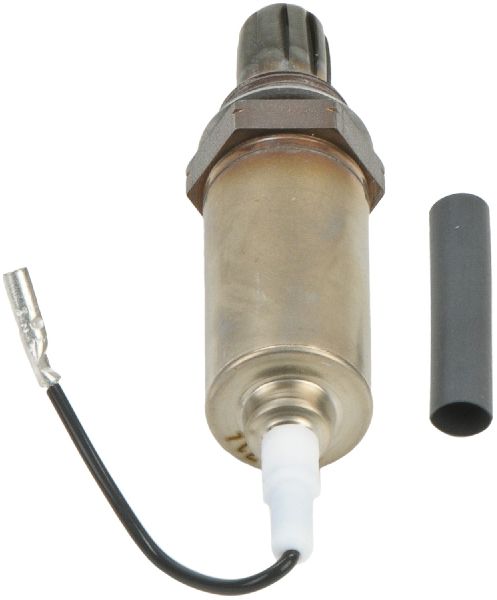
- Premium Brands (Denso, NGK/NTK, Bosch): These companies are often the original equipment manufacturers for Kia and other carmakers. Choosing one of these brands is the closest you can get to a genuine OEM part, ensuring perfect fit, correct electrical resistance, and long life.
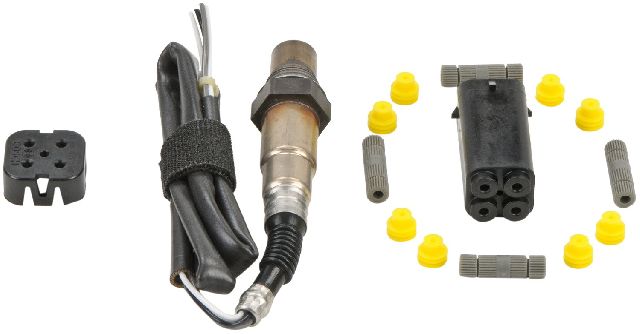
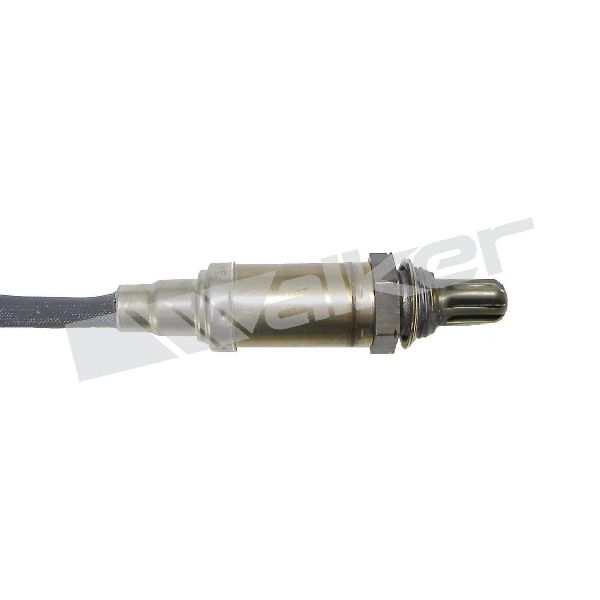
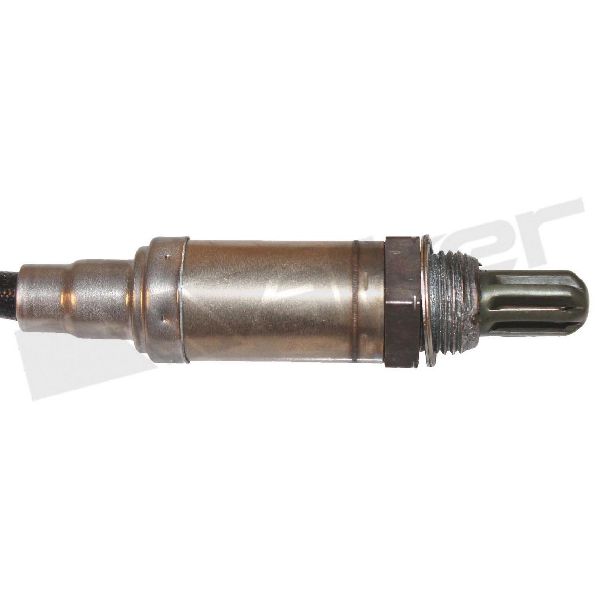
- Quality Standard Brands (Delphi, Walker Products, Spectra): These brands offer a great balance of quality and value. They are reliable choices for daily driving and are built to meet or exceed OEM specifications.
- Economy Brands (DriveWire): While the most budget-friendly, these sensors may have a shorter lifespan. They can be a viable option for a temporary fix or if the budget is the primary concern.
Installation and Known Issues
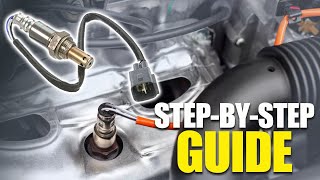
Replacing the sensor is a feasible DIY job for those with some mechanical experience. The main challenge is often the old sensor being seized in the exhaust pipe due to rust. Using a penetrating fluid and a special O2 sensor socket is highly recommended. Always apply anti-seize compound to the threads of the new sensor before installation to make future replacements easier. 🎬 Follow this step-by-step guide to changing your oxygen sensor. There are no major recalls or Technical Service Bulletins (TSBs) specifically for oxygen sensor failure on the 1994-2001 Kia Sephia, but failure due to age and contamination is a common maintenance issue.
| Component/Service | Estimated Cost |
|---|---|
| New Aftermarket Oxygen Sensor | $21.28 - $156.23 |
| New OEM Oxygen Sensor | $160 - $290+ |
| Shop Labor for Replacement | $75 - $150 |
Frequently Asked Questions (FAQ)
What are the most common signs of a bad oxygen sensor?
The most common symptoms are an illuminated Check Engine Light, noticeably worse gas mileage, a rough or unstable idle, and a rotten egg smell from the exhaust. Your car may also feel sluggish or hesitate during acceleration.
Do I need a special tool to replace my O2 sensor?
Yes, it is highly recommended to use an O2 sensor socket. This special socket has a slit on the side to accommodate the sensor's wire. Using one prevents damage to the wire and provides better leverage on a sensor that might be stuck.
Can I clean my old oxygen sensor instead of replacing it?
While some attempt to clean O2 sensors, it is not a reliable or recommended long-term solution. The sensing element becomes contaminated internally over time, and cleaning the exterior rarely restores its proper function. Replacement is the correct repair.
What's the difference between a direct-fit and a universal sensor?
A direct-fit sensor comes with the correct plug for your Sephia and requires no modifications. A universal sensor is cheaper but requires you to cut the old plug off and splice it onto the new sensor's wires. For a hassle-free installation, a direct-fit sensor is always the better choice.
🎬 See how to replace an oxygen sensor in your car.Helpful Videos

Technical Specifications
OEM Part Numbers: MBP03-18861B 0K2AA18861 0K2A518861 0K2AB18861
Sensor configuration depends on the model year. Pre-1996 models are typically single-sensor (OBD-I). 1996 and newer models are dual-sensor (OBD-II), with one upstream (pre-catalytic converter) and one downstream (post-catalytic converter) sensor. Connectors are vehicle-specific.
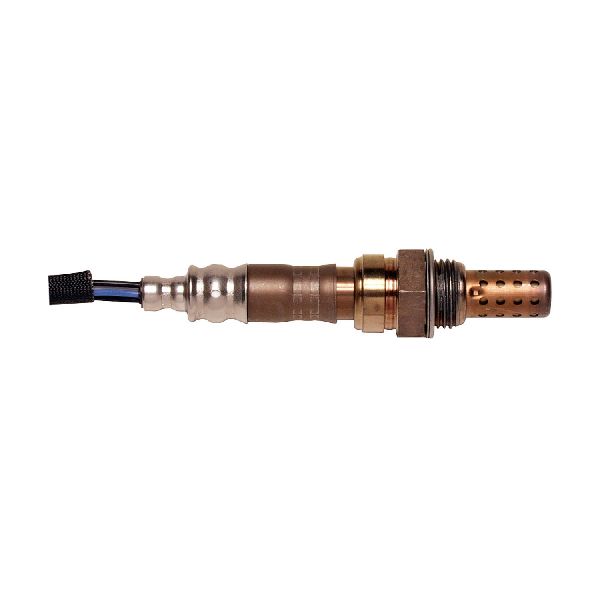
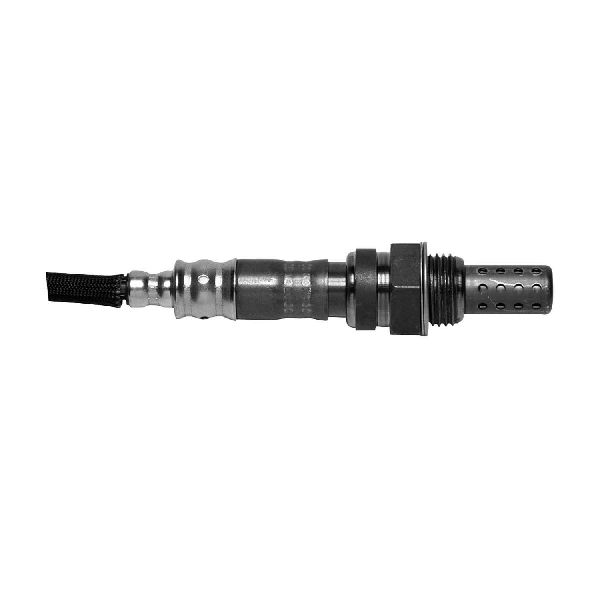
We Have This Part in Stock

The information in this article is provided for general reference and educational purposes only. Vehicle specifications, procedures, and part compatibility can vary by production date, trim level, and region. Always consult your vehicle's factory service manual and verify part numbers before purchasing or performing repairs. Safety-critical components such as airbags, seat belts, and braking systems should be installed by a qualified professional.
- Kia Sephia: