

A Guide to the Automatic Transmission Oil Cooler for the 1994-2001 Mazda B3000
Keep your B3000's automatic transmission protected from heat and prevent expensive damage.
- The most common failure is a fluid leak from the cooler or its lines.
- Aftermarket coolers from brands like Hayden or Derale are often considered upgrades over the stock system, especially for towing.
- Since the B3000 is a rebadged Ford Ranger, searching for Ranger parts will give you more options.
- If you see milky pink fluid, your radiator's internal cooler has failed and you should stop driving immediately to prevent transmission destruction.
Signs of a Failing Transmission Oil Cooler
A bad transmission cooler can cause serious problems. If you notice any of these signs, it's time to inspect your system. Ignoring them can lead to a failed transmission, which is a very expensive repair.
- Transmission Fluid Leaks: This is the most common sign. You might see puddles of red or dark brown fluid under the front of your truck. Leaks can come from the cooler itself, or from the rubber and metal lines connected to it. 🎬 Watch: A clever trick for removing stubborn transmission cooling lines.
- Transmission Overheating: You might get a warning light on your dashboard, or you may notice a distinct burning smell. This happens when the cooler is clogged or leaking and can no longer cool the fluid effectively.
- Poor Shifting Performance: When transmission fluid gets too hot, it breaks down. This can cause your B3000 to have trouble shifting, with delayed, rough, or slipping gears.
- Fluid Contamination: In a worst-case scenario, the transmission cooler that is built into the radiator can fail internally. This allows engine coolant and transmission fluid to mix, creating a milky, pinkish fluid. This is a critical failure that can quickly destroy your transmission.
Choosing the Right Aftermarket Cooler
For a truck like the 1994-2001 Mazda B3000, using an aftermarket transmission cooler is a smart and cost-effective choice. The original system uses a cooler inside the radiator, but many trucks also have a smaller, secondary cooler in front of it. Aftermarket parts are available as direct replacements or as universal-fit upgrades.
Brand Tiers for Your B3000
Not all brands are created equal. Here’s a breakdown of what to expect from the brands available:
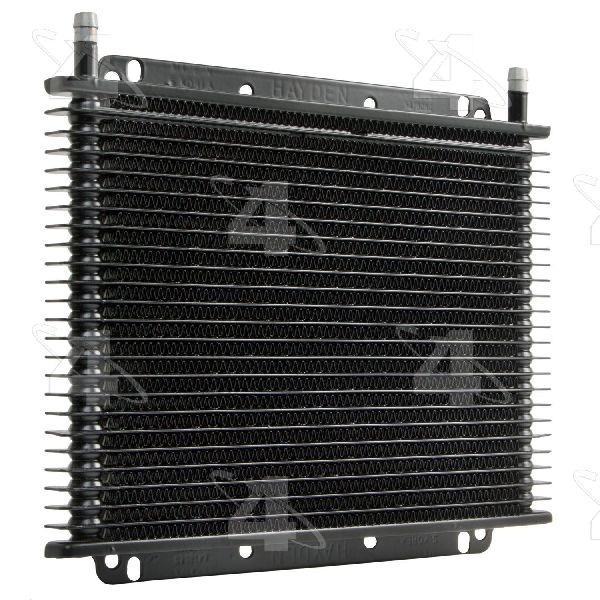
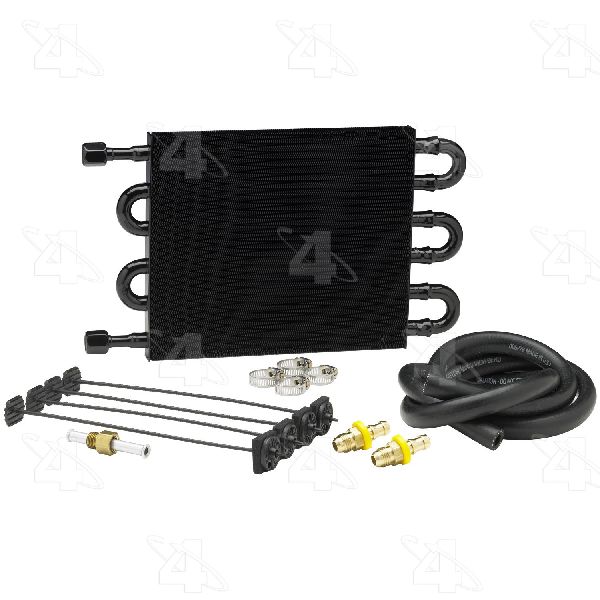
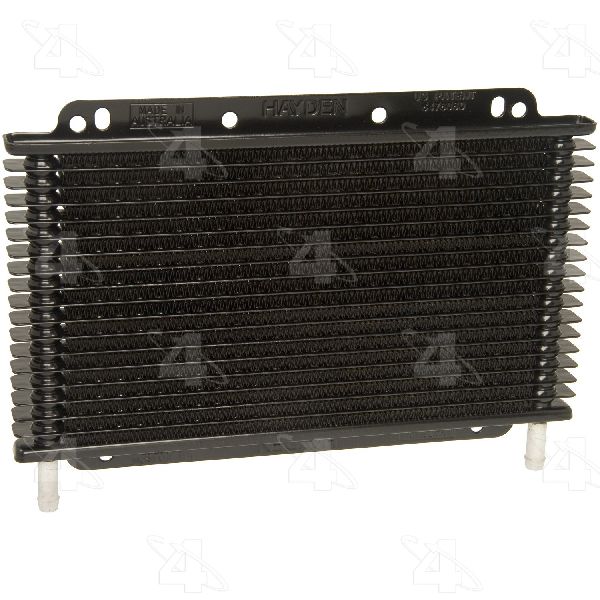
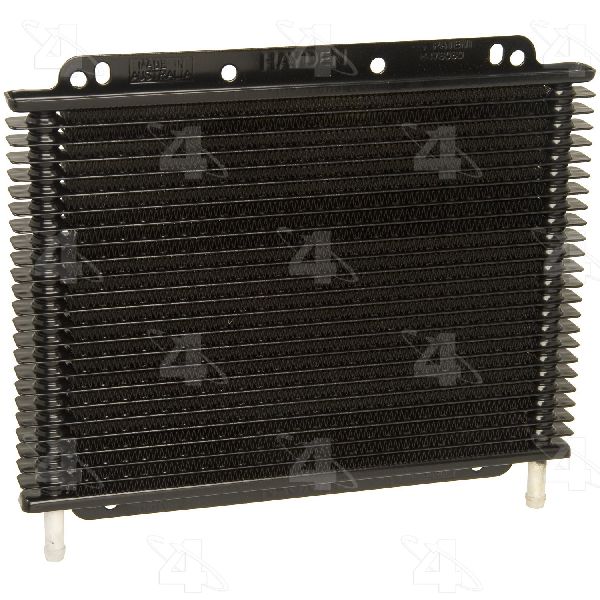
- Upgrade/Heavy-Duty (Hayden, Derale): These brands are well-regarded in the aftermarket and often recommended on truck forums. They specialize in cooling products and often feature more efficient designs like plate-and-fin construction, which is better than the simpler tube-and-fin style. If you tow, haul, or live in a hot climate, choosing a slightly larger cooler from one of these brands is an excellent investment in your transmission's lifespan.
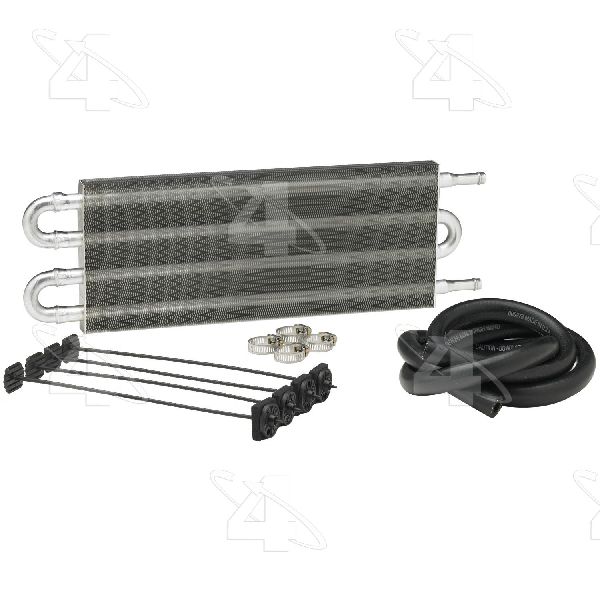
- Standard Replacement (Dorman, Four Seasons, Global Parts): These brands offer direct-fit replacement coolers that are designed to meet or exceed original specifications. They are a reliable and affordable choice if you just need to fix a leak or replace a damaged stock cooler for daily driving. While generally dependable, always check that included fittings match your vehicle's lines, as sometimes aftermarket parts can have minor variations.
Typical Repair Costs
The cost to replace a transmission cooler can vary. The part itself is affordable, and most of the cost comes from labor if you have a shop do the work.
| Item | Estimated Cost |
|---|---|
| New Aftermarket Cooler Part | $52 - $180 |
| Shop Labor | $120 - $250 |
| Total Estimated Cost | $172 - $430 |
Frequently Asked Questions (FAQ)
Can I install a bigger transmission cooler on my B3000?
Yes, and it's often a good idea. Upgrading to a larger aftermarket cooler is a great way to improve cooling performance, especially if you use your truck for towing or heavy hauling. Just make sure you have enough space to mount it in front of the radiator and A/C condenser.
Do I need to replace the cooler lines too?
It's a good idea to inspect them carefully. On an older truck, the rubber hoses can become brittle and crack, and the metal sections can rust. If the lines look old or are leaking, it's best to replace them at the same time as the cooler to prevent future leaks.
🎬 Watch this DIY guide on fixing Ford Ranger transmission cooler lines.What's the difference between the radiator cooler and an auxiliary cooler?
Your truck has a primary cooler built into one of the side tanks of the main engine radiator. An auxiliary cooler is a separate, smaller radiator mounted in front of the main radiator. Many owners add a larger aftermarket auxiliary cooler to bypass a failed radiator cooler or to add extra cooling capacity for heavy use.
What kind of transmission fluid does my 1994-2001 Mazda B3000 use?
These trucks typically use MERCON V automatic transmission fluid (ATF). However, you should always double-check your owner's manual or the transmission fluid dipstick for the specific fluid type required for your vehicle. 🎬 See how to perform a full transmission fluid and filter service. Using the wrong fluid can cause shifting problems and damage the transmission.
Helpful Videos
Technical Specifications
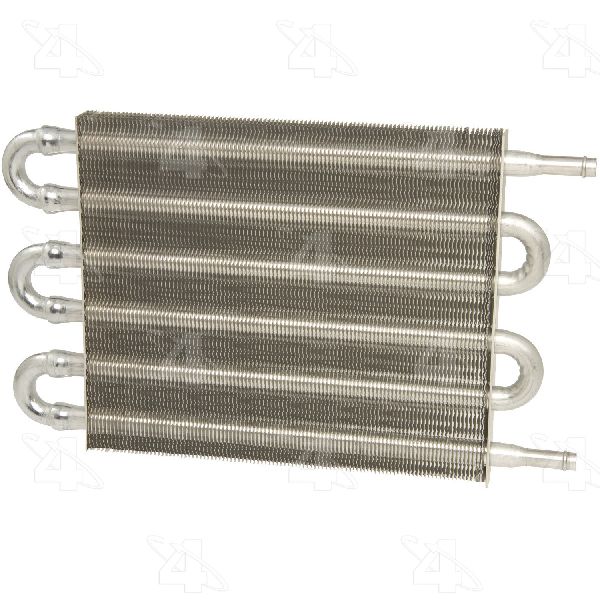
The Mazda B3000 uses both an internal transmission cooler located in the radiator tank and, on many models, an external auxiliary cooler. Aftermarket coolers are typically of two designs: tube-and-fin (standard) or plate-and-fin (more efficient). They are usually made of aluminum and are mounted in front of the radiator.
We Have This Part in Stock

The information in this article is provided for general reference and educational purposes only. Vehicle specifications, procedures, and part compatibility can vary by production date, trim level, and region. Always consult your vehicle's factory service manual and verify part numbers before purchasing or performing repairs. Safety-critical components such as airbags, seat belts, and braking systems should be installed by a qualified professional.
- Mazda B3000: