

Mazda B4000 Engine Intake Air Temperature Sensor Guide (1994-2001)
Is your truck running rough or using too much gas? Your IAT sensor could be the problem.
- A bad IAT sensor on your B4000 will likely trigger a P0113 code and cause poor gas mileage and rough running.
- This is an easy and inexpensive DIY replacement that takes less than 15 minutes with basic tools.
- Check if your truck has a metal or plastic intake to know where to find the sensor before you start.
- Quality aftermarket brands like Standard Ignition are a reliable and affordable choice for this part.
Symptoms of a Failing IAT Sensor in a Mazda B4000
When the IAT sensor starts to fail, it sends incorrect information to the engine's computer. This can cause a variety of noticeable problems. You might not experience all of them, but even one or two can point to a bad sensor.
- Check Engine Light: This is often the first sign. The computer will log a fault code, most commonly P0113 (Intake Air Temperature Sensor 1 Circuit High Input), which indicates the sensor is sending a signal that is out of the expected range.
- Poor Fuel Economy: If the sensor tells the computer the air is colder than it really is, the engine will use too much fuel, causing your gas mileage to drop.
- Rough Idle: The engine may shake or shudder at a stop because the air-fuel mixture isn't stable.
- Hard Starting: An incorrect temperature reading can make it difficult for the engine to start, especially when it's cold.
- Engine Hesitation or Misfires: During acceleration, your truck might stumble or hesitate because the engine isn't getting the correct fuel mixture for the power demand.
- Black Smoke from Exhaust: This is a sign that the engine is running too rich (too much fuel), which can be caused by a faulty IAT sensor making the computer think the air is very cold.
Choosing the Right Aftermarket IAT Sensor
For a straightforward part like the IAT sensor on the 1994-2001 B4000, a quality aftermarket replacement is a reliable and cost-effective choice. The original factory sensors are not known for premature failure, but after two to three decades of service, any sensor can wear out. Aftermarket brands offer OE-equivalent fit and function.
Brand Quality Tiers
| Brand | Assessment |
|---|---|
| Standard Ignition (Standard Motor Products) | A well-regarded aftermarket brand with a long history, often trusted by professional mechanics. They manufacture a wide range of parts that meet or exceed OE specifications. This is a solid choice for reliability. |
| True Tech | This brand appears to be a budget-friendly or private-label option. While it can get your truck back on the road for less, it may not have the same long-term track record or extensive testing as more established brands like Standard Ignition. |
Installation Tips for Your B4000
Replacing the IAT sensor is a great DIY job for any skill level. It's a simple screw-in, plug-in part.
Finding the Sensor
The location depends on your model year, specifically if you have a metal or plastic upper intake manifold.
- 1994 (and early models with aluminum intake): The sensor is typically screwed into the side of the upper intake manifold, near the back.
- 1995-2001 (with plastic intake): The sensor is usually located in the rubber air intake tube, somewhere between the Mass Airflow (MAF) sensor housing and the throttle body.
The replacement process is simple: locate the old sensor, unplug the electrical connector, and unscrew it. Screw the new sensor in (don't overtighten), and plug the connector back in. The whole job should take less than 15 minutes.
Known Issues, Recalls, or TSBs
There are no specific recalls or Technical Service Bulletins (TSBs) from Mazda or the NHTSA for the Engine Intake Manifold Temperature Sensor on the 1994-2001 Mazda B4000. While there are many recalls for this truck, they primarily concern airbags.
Frequently Asked Questions (FAQ)
Q: Can I clean my IAT sensor instead of replacing it?
A: Sometimes. If the sensor is covered in oil or dirt, cleaning it with a dedicated electronics or MAF sensor cleaner might restore its function. However, if the sensor has failed internally, which is common for a P0113 code, cleaning will not help and replacement is necessary.
Q: Is the IAT sensor the same as the coolant temperature sensor?
A: No. They are two different sensors. The IAT measures air temperature entering the engine, while the Engine Coolant Temperature (ECT) sensor measures the temperature of the engine's coolant. Both are important, but they have different functions and locations.
Q: What happens if I ignore a bad IAT sensor?
A: You can still drive the vehicle, but it's not recommended for long. Ignoring it will lead to poor fuel mileage, potential engine performance issues like stalling or hesitation, and increased emissions. In the long run, running a consistently rich fuel mixture could cause other problems, like damaging the catalytic converter.
Q: Why is the code P0113 "Circuit High Input"? Does that mean the temperature is high?
A: It's confusing, but "Circuit High" refers to voltage, not temperature. This code means the computer is seeing a voltage from the sensor that is higher than the normal operating range. This high voltage is often interpreted by the computer as an extremely low temperature (like -40°F), causing it to inject too much fuel.
Technical Specifications
OEM Part Numbers: F57Z-12A697-A F6JZ-12A697-A
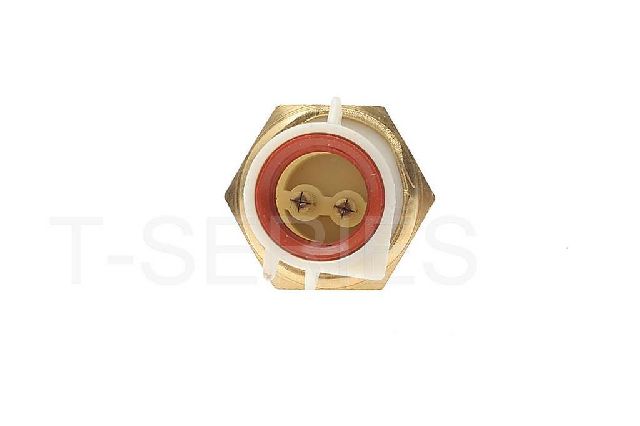
The sensor is a two-prong, screw-in thermistor. The location and specific part number may vary between early models (approx. 1994) with aluminum intakes and later models (approx. 1995-2001) with plastic intakes.
We Have This Part in Stock


The information in this article is provided for general reference and educational purposes only. Vehicle specifications, procedures, and part compatibility can vary by production date, trim level, and region. Always consult your vehicle's factory service manual and verify part numbers before purchasing or performing repairs. Safety-critical components such as airbags, seat belts, and braking systems should be installed by a qualified professional.
- Mazda B4000: