

Mercedes-Benz C280 (1994-2001) Engine Coolant Temperature Sensor Guide
Understand the common failure symptoms and choose the right replacement coolant temperature sensor for your W202 C280.
- A failing coolant temp sensor causes poor fuel economy, rough running, and potential overheating.
- Choose an OEM-supplier brand like Hella, Vemo, or Febi for best results and reliability.
- Visually check if your C280 has a single 4-pin sensor or multiple sensors before buying a replacement.
- Replacement is a simple DIY task that takes less than 30 minutes with basic tools.
Symptoms of a Failing Coolant Temperature Sensor
A bad coolant temperature sensor on a C280 can cause a variety of issues, some of which can be confusing. The signals it sends are vital, so when they become inaccurate, the engine's computer gets the wrong information and makes poor decisions. Watch for these common signs:
- Check Engine Light: This is often the first sign. A faulty sensor will trigger a trouble code, like P0115, and illuminate the light on your dash.
- Poor Fuel Economy: If the sensor incorrectly tells the ECU the engine is cold, the system will run a rich fuel mixture, wasting gas.
- Black Smoke from Exhaust: A very rich fuel mixture can result in unburnt fuel exiting through the exhaust, appearing as black smoke.
- Rough Idle: The engine may idle poorly or shake because the air-fuel mixture is incorrect for the actual engine temperature.
- Hard Starting: When the engine is hot, a bad sensor might tell the ECU it's cold, causing a flooded, hard-start condition. The opposite can happen when the engine is cold, making it difficult to start.
- Engine Overheating: If the sensor fails to report that the engine is hot, the electric cooling fans may not turn on when needed, leading to overheating.
A Note on the C280 Temperature Gauge
Many owners of this generation C-Class notice the temperature gauge on the dashboard quickly rises to about 85-95°C and stays there. This is normal. Mercedes designed the gauge to be "buffered," meaning it shows a steady reading within a wide range of normal operating temperatures. It will only rise above this point if the car is significantly overheating. Do not rely on it for precise temperature changes; a failing sensor's symptoms are a more reliable indicator.
Choosing the Right Aftermarket Sensor
When it comes to sensors for a Mercedes-Benz, brand choice matters. While you can save money with an aftermarket part, choosing a brand with a reputation for quality is key to avoiding future problems.
Tier 1: OEM Suppliers
These brands are known to manufacture parts for Mercedes-Benz directly. They offer the best quality and fit outside of a genuine dealer part. For your C280, these are the safest bet.
- Hella: A top-tier German manufacturer of electronics and sensors.
- Vemo: A well-regarded German brand offering OEM-quality electrical components.
- Febi: Often short for Febi-Bilstein, another trusted German brand for a wide range of parts.
- Delphi: A major global OEM supplier with a strong reputation.
- CRP (Continental): A premier OEM supplier for many European car brands.
Tier 2: Reputable Aftermarket
These brands provide good quality parts and are a solid choice if OEM-supplier brands aren't available.
- Standard Ignition (SMP): A long-standing company with a reputation for reliable electronic parts.
- Beck Arnley: Focuses on sourcing parts that meet original specifications, often from OEM manufacturers.
- Walker Products: A US-based company specializing in fuel delivery and engine management sensors.
Tier 3: Economy Brands
These brands compete on price. While they can be a good value, they have a less consistent reputation for quality and longevity, especially for sensitive electronics on a German vehicle.
- URO Parts: This brand has a very mixed reputation in owner forums. While some simple metal parts may be fine, many owners report issues with the fit and durability of their electronic and sealing components. Purchase with caution.
- Facet, Four Seasons, Global Parts, True Tech: These are generalist brands that offer a budget-friendly option. They may be suitable for a quick fix or if budget is the primary concern.
Pro Tip: For a critical sensor like this, spending a few extra dollars on a Tier 1 (OEM Supplier) brand like Hella or Vemo is a wise investment against future headaches and performance issues.
Cost of Replacement
The cost to replace the Engine Coolant Temperature Sensor is relatively low. The part itself is inexpensive, and labor is minimal.
| Item | Estimated Cost |
|---|---|
| New Aftermarket Sensor | $8 - $87 |
| Shop Labor | $100 - $150 |
| Total Estimated Cost (Shop) | $108 - $237 |
| Total Estimated Cost (DIY) | $8 - $87 |
Cost estimates are approximate and can vary based on your location and the specific repair shop's labor rates.
DIY Replacement Guide
Replacing the ECT sensor on a 1994-2001 C280 is a straightforward job for a DIYer with basic tools. It is located at the front of the engine near the thermostat housing. Always perform this job on a cold engine.
- Locate the Sensor: Remove the plastic front engine cover. The sensor is typically located on the thermostat housing at the front of the engine.
- Disconnect the Electrical Connector: Squeeze the tabs on the electrical connector and pull it straight off the sensor.
- Prepare for Coolant Spillage: A small amount of coolant will leak out when you remove the sensor. Have the new sensor ready to install quickly to minimize loss. You can also slightly open the coolant reservoir cap to release pressure.
- Remove the Retaining Clip: The sensor is held in place by a plastic or metal clip. Use a small flathead screwdriver or pick to slide the clip off. Be careful not to drop it.
- Swap the Sensor: Pull the old sensor straight out. Ensure the old O-ring comes out with it. Quickly insert the new sensor with its new O-ring.
- Reassemble: Re-install the retaining clip, plug in the electrical connector, and replace the engine cover. Top off the coolant if necessary.
Frequently Asked Questions (FAQ)
How many coolant temperature sensors does my C280 have?
This can be confusing. Some earlier W202 models (approx. 1994-1995) used multiple sensors: a 2-wire sensor for the ECU, and a 1-wire sensor for the gauge. Later models consolidated this into a single 4-pin sensor that does both jobs. It is critical to visually inspect your car to see if you have one 4-pin sensor or multiple sensors near the thermostat housing before ordering.
Can I drive my C280 with a bad coolant temperature sensor?
You can, but it is not recommended for long. A bad sensor can lead to very poor engine performance, terrible fuel mileage, and potentially cause the engine to overheat without warning, which could lead to severe engine damage.
Do I need to drain all the coolant to replace the sensor?
No. The sensor is located high up on the engine. Only a small amount of coolant will be lost during a quick swap. You can just top off the reservoir when you are done.
Are there any recalls for the coolant temperature sensor on the 1994-2001 C280?
No, there are no specific recalls or Technical Service Bulletins (TSBs) from Mercedes-Benz or the NHTSA related to the engine coolant temperature sensor for this vehicle range.
Technical Specifications
OEM Part Numbers: 0005425118 A0005425118
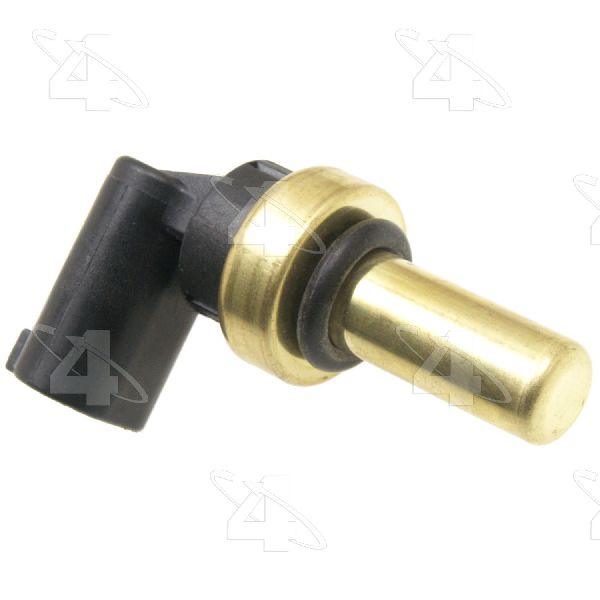
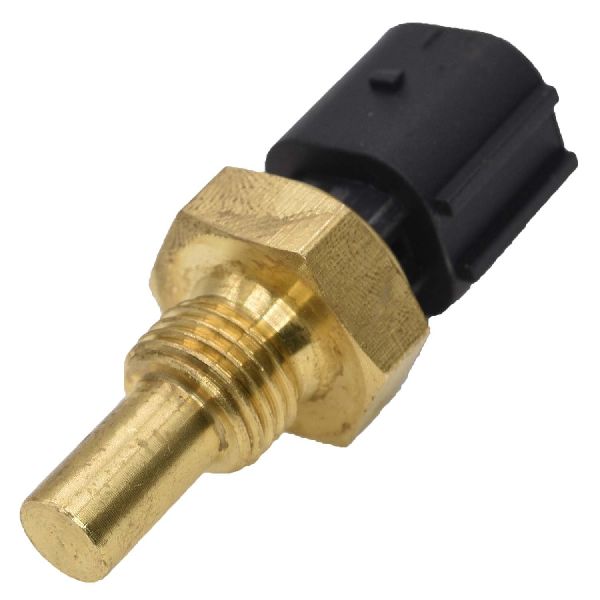
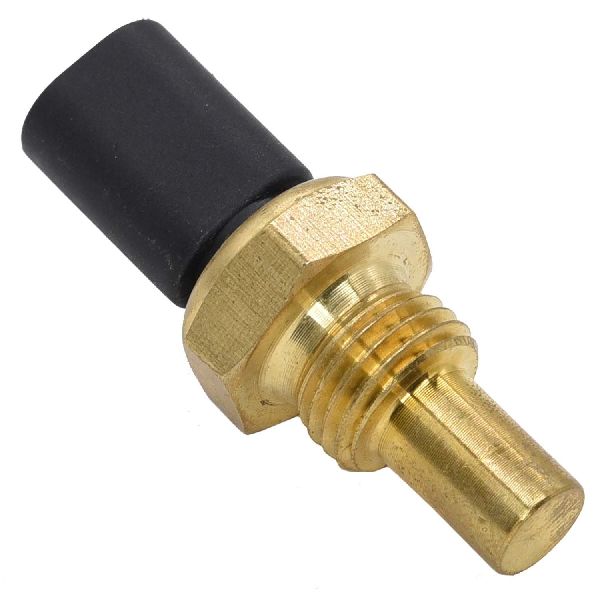
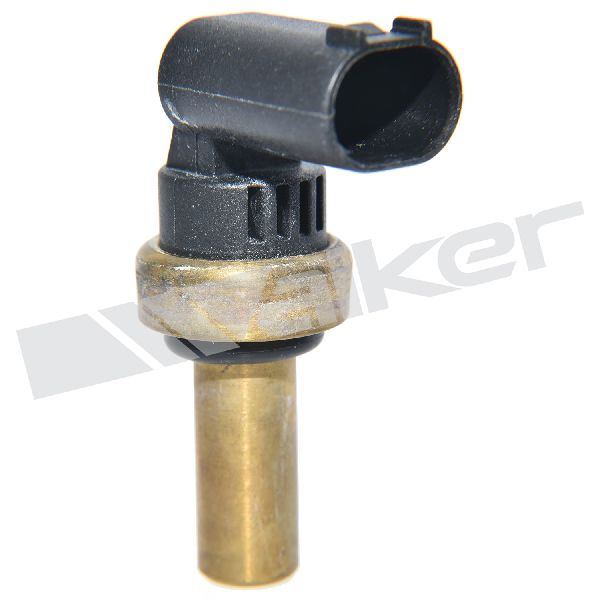
Typically a 2-pin or 4-pin sensor located in the thermostat housing. The number of pins is the most critical specification to verify before purchase.
We Have This Part in Stock


The information in this article is provided for general reference and educational purposes only. Vehicle specifications, procedures, and part compatibility can vary by production date, trim level, and region. Always consult your vehicle's factory service manual and verify part numbers before purchasing or performing repairs. Safety-critical components such as airbags, seat belts, and braking systems should be installed by a qualified professional.
- Mercedes-Benz C280:
- 🛍️ Shop This Part
- Symptoms of a Failing Coolant Temperature Sensor
- A Note on the C280 Temperature Gauge
- Choosing the Right Aftermarket Sensor
- Tier 1: OEM Suppliers
- Tier 2: Reputable Aftermarket
- Tier 3: Economy Brands
- Cost of Replacement
- DIY Replacement Guide
- Frequently Asked Questions (FAQ)
- 🎟️ Get 5% Off