

Acura Integra Engine Mounts: A Guide for the 1994-2002 Generations
Stop the shaking and clunking in your DC2/DC4 Integra by choosing the right engine mounts.
- Decide between comfort and performance: OEM-style rubber mounts for a smooth ride, or polyurethane for performance with added vibration.
- Budget mounts may increase vibration: Cheap, solid rubber aftermarket mounts can vibrate more than worn-out liquid-filled OEM mounts.
- Your Integra has five mounts: three main engine/trans mounts and two lower torque mounts. Inspect all of them.
- Ignoring bad mounts can lead to other damage, including to axles, hoses, and exhaust components.
Is Your Integra Shaking? Signs of a Bad Engine Mount
When engine mounts wear out, the signs are hard to ignore. The rubber cracks and separates, or the liquid inside hydraulic OEM mounts leaks out. This allows the engine to move around too much. Look for these common symptoms:
- Excessive Vibration: A strong vibration felt in the steering wheel, dashboard, or seats, especially when idling with the car in gear.
- Clunking Noises: Loud clunks, bangs, or thumps from the engine bay when you accelerate, shift gears, or turn. This is the sound of the engine hitting other parts.
- Visible Engine Movement: Open the hood and have a friend safely rev the engine in park or neutral. If you see the engine rock or lurch excessively, your mounts are likely worn out.
- Rough Shifting: Worn mounts can make gear changes feel harsh or jerky, which can sometimes be mistaken for a transmission problem.
Don't Ignore Bad Mounts
Driving with a failed engine mount for too long can cause serious problems. The constant movement can damage other components like coolant hoses, exhaust pipes, and CV axles.
Choosing the Right Aftermarket Mounts for Your Integra
Not all aftermarket mounts are created equal. For the 1994-2002 Integra, your choice depends on your goals: a comfortable daily driver or a responsive performance car.
Tier 1: Standard Replacement (OEM-Style Rubber)
These are designed to be affordable, direct replacements for your original mounts. They are made of solid rubber.
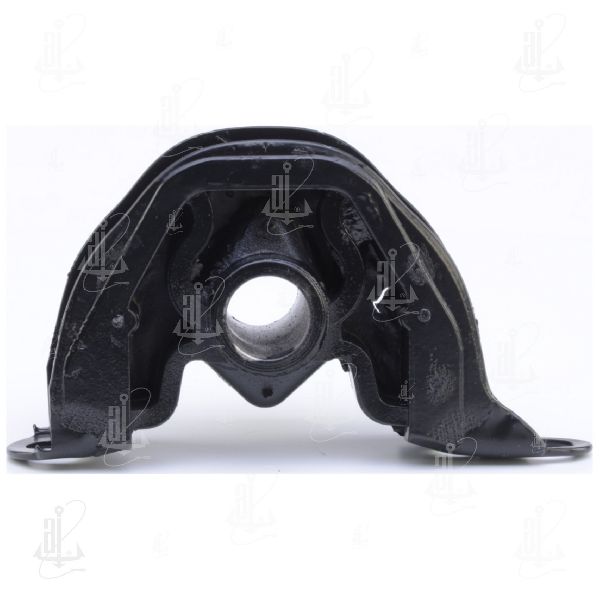
- Brands: Anchor, DEA, Westar, MTC.
- Best For: Budget-conscious owners who need a functional replacement.
- Honest Assessment: While affordable, many Integra owners report that these budget-friendly mounts use a harder rubber than the original liquid-filled OEM parts. This can sometimes lead to an increase in cabin vibration compared to new OEM mounts. Their lifespan may also be shorter than higher-quality options.
Tier 2: Premium Aftermarket (OEM-Quality)
These brands aim to match the fit, form, and function of the original factory parts, offering a smoother experience.
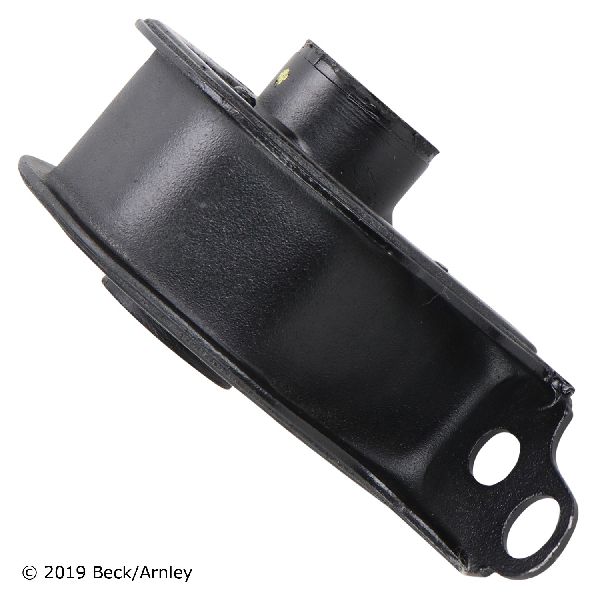
- Brands: Beck Arnley.
- Best For: Owners who want a ride quality close to stock without paying dealership prices.
- Honest Assessment: Beck Arnley has a reputation for being a higher-quality alternative that is often a good compromise between budget brands and expensive OEM parts.
What is NVH?
NVH stands for Noise, Vibration, and Harshness. Softer rubber mounts (like OEM) are great at absorbing NVH for a comfortable ride. Stiffer polyurethane mounts are poor at absorbing NVH, so you will feel and hear more of the engine's vibrations inside the car.
Tier 3: Performance (Polyurethane)
These are for the enthusiast looking to improve performance. They are much stiffer than rubber and drastically reduce engine movement.
- Brands: Energy Suspension, Prothane.
- Best For: Track use, spirited driving, or modified Integras where performance is more important than comfort.
- Honest Assessment: Polyurethane mounts and inserts will make your Integra feel more connected and improve shifting. However, they will significantly increase NVH. Your dashboard may rattle, and you'll feel much more vibration at idle and throughout the RPM range. This is a trade-off many are willing to make for performance, but it can be annoying for a daily driver. Prothane is generally considered stiffer than Energy Suspension.
How Much Does an Integra Engine Mount Replacement Cost?
The cost depends on the brand you choose and whether you do the work yourself. Your Integra has five mounts, but you can replace them individually.
| Part Type | Estimated Cost |
|---|---|
| New OEM Mount (Single) | $80 - $200+ |
| New Aftermarket Mount (Single) | $15 - $88 |
| Shop Labor (Per Mount) | $100 - $250 |
| Total Professional Replacement (Single Aftermarket Mount) | $115 - $338 |
Cost estimates are approximate and can vary by location and specific mount.
Frequently Asked Questions
How many engine mounts does a 1994-2002 Integra have?
The 3rd generation Integra has a total of five mounts: a driver-side mount, a passenger-side transmission mount, a rear mount, and two lower torque mounts at the front of the subframe.
What's the difference between rubber and polyurethane mounts?
Rubber mounts, especially the liquid-filled OEM style, are soft and designed to absorb vibration for a comfortable ride. Polyurethane mounts are a hard plastic designed for performance. They stop engine movement effectively but transmit much more noise and vibration into the car.
Can I replace just one bad engine mount?
Yes, you can replace just the one that has failed. However, mounts tend to wear out at a similar rate. If one has failed, the others are likely not far behind. It's a good practice to inspect all five mounts when you replace one.
Are performance mounts too harsh for a daily driver?
For most people, yes. Full polyurethane mounts can cause significant cabin vibrations and rattles that become tiring in daily driving. Many owners find that standard rubber or premium aftermarket mounts provide the best balance of performance and comfort for a street car.
Which mount fails most often on an Integra?
While any mount can fail, the rear mount is a common failure point on many front-wheel-drive cars, including the Integra. This mount takes a lot of stress as the engine torques back during acceleration.
Technical Specifications
OEM Part Numbers: 50841-SR3-983 50827-ST7-980 11910-P72-000
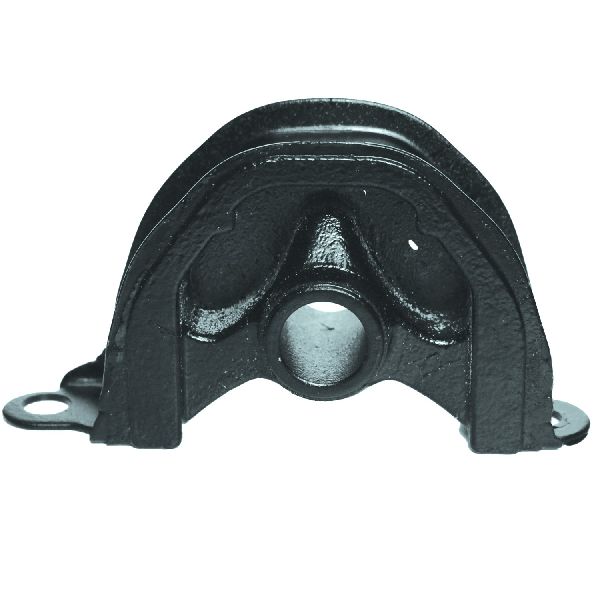
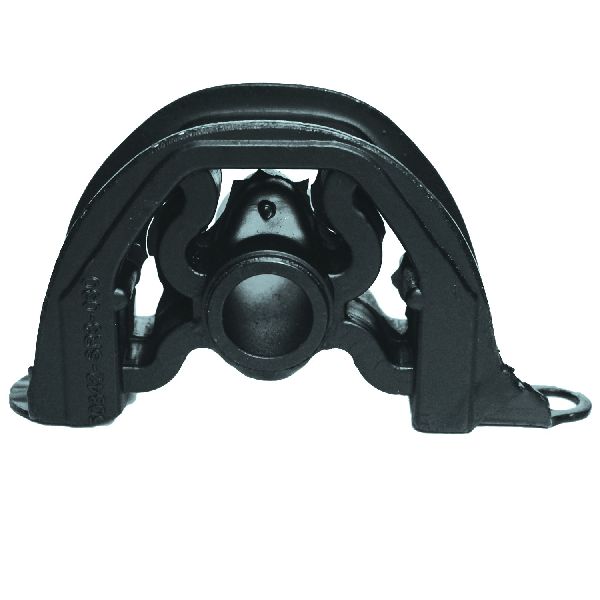
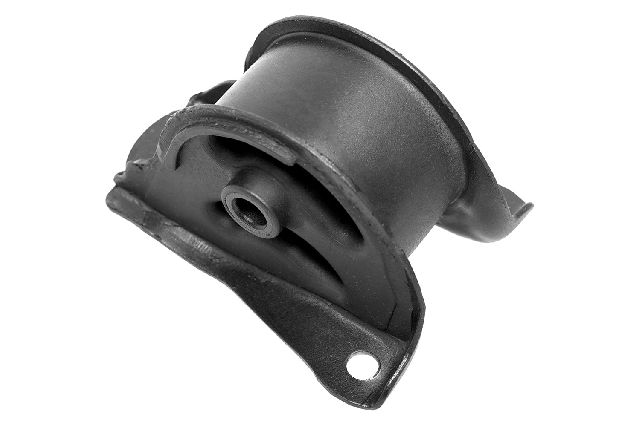
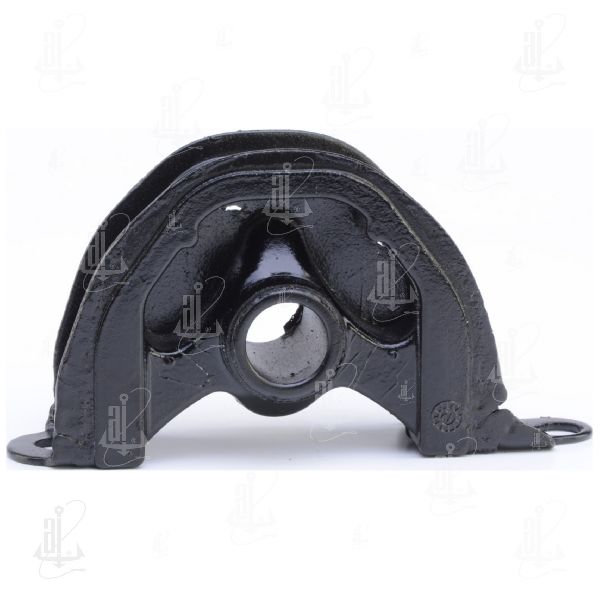
The 1994-2002 Acura Integra uses a five-mount system to secure the engine and transmission. Original mounts were typically hydraulic (liquid-filled) rubber to minimize vibration. Aftermarket options include solid rubber and high-performance polyurethane.
We Have This Part in Stock

The information in this article is provided for general reference and educational purposes only. Vehicle specifications, procedures, and part compatibility can vary by production date, trim level, and region. Always consult your vehicle's factory service manual and verify part numbers before purchasing or performing repairs. Safety-critical components such as airbags, seat belts, and braking systems should be installed by a qualified professional.
- Acura Integra:
- 🛍️ Shop This Part
- Is Your Integra Shaking? Signs of a Bad Engine Mount
- Don't Ignore Bad Mounts
- Choosing the Right Aftermarket Mounts for Your Integra
- Tier 1: Standard Replacement (OEM-Style Rubber)
- Tier 2: Premium Aftermarket (OEM-Quality)
- What is NVH?
- Tier 3: Performance (Polyurethane)
- How Much Does an Integra Engine Mount Replacement Cost?
- Frequently Asked Questions
- 🎟️ Get 5% Off